
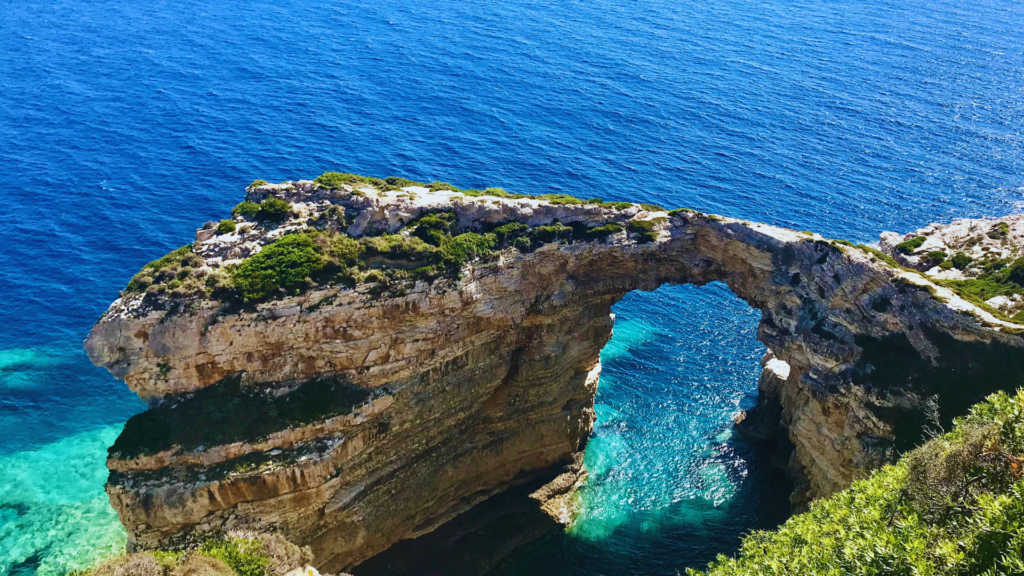
Europe is filled with popular tourist destinations, but many travelers overlook the hidden gems that offer unique experiences. These lesser-known locations provide a glimpse into the authentic culture and beauty of the continent, often without the crowds that can accompany more famous sites. Exploring these hidden treasures can lead to unforgettable adventures and a deeper appreciation for Europe’s diverse landscape.
From charming medieval villages to breathtaking natural wonders, each hidden gem tells its own story. Travelers can discover quaint towns where time seems to stand still and spectacular vistas that showcase stunning scenery. These places allow visitors to connect more intimately with the local way of life, making their trips truly memorable.
Destination enthusiasts will find that seeking out these hidden gems not only enriches their journeys but also reveals remarkable experiences often left untouched. With a bit of exploration, they can uncover parts of Europe that many have yet to experience.
Unveiling Europe’s Hidden Gems
Europe is filled with remarkable locations that often escape the attention of travelers. Exploring these hidden gems offers a unique glimpse into diverse cultures and stunning landscapes.
Discovering the Underrated Places
Many of Europe’s underrated places possess charm and character that rival more popular destinations. For example, Alberobello in Italy is famous for its trulli—traditional dry stone huts with conical roofs.
Sibiu, a city in Romania, features colorful architecture and a rich history, making it an intriguing stop. The Isle of Skye in Scotland offers breathtaking views, dramatic landscapes, and a peaceful atmosphere, ideal for nature lovers.
In Slovenia, Lake Bled captivates with its emerald waters and fairy-tale island, providing both relaxation and adventure. Each of these spots invites travelers to experience local traditions and less commercialized environments.
Unique Places to Visit in Europe
Certain unique destinations highlight Europe’s diverse cultural tapestry. Ronda, Spain, with its iconic gorge and breathtaking views, illustrates stunning architecture and vibrant history.
Dinant, located in Belgium, is known for its dramatic cliffs and beautiful river setting. The Faroe Islands present a remote and stunning landscape, with opportunities for hiking and enjoying nature.
In Hungary, Eger is recognized for its historical architecture and wine culture. Such places enrich the travel experience, offering insights into local lifestyles and avoiding the crowds often found in better-known sites.
These hidden gems shine as vibrant alternatives, ready to be explored.
Cultural Riches and Historical Splendor
Europe is home to an abundance of cultural and historical treasures. From ancient cobblestone alleys to impressive UNESCO World Heritage Sites, the continent offers a profound exploration of its past and present.
Cobblestone Alleys and Medieval Towns
Many medieval towns feature winding cobblestone alleys, where history comes alive through their architecture. Towns like Carcassonne in France and Ronda in Spain showcase fortifications and homes from the Middle Ages.
Walking through these alleys reveals well-preserved Ottoman architecture as seen in places like Sarajevo, blending Eastern and Western influences. The charming atmospheres invite visitors to experience local markets, small cafes, and artisan shops.
Each town offers a unique glimpse into its historical context, making it perfect for exploration. The stories embedded in the stones and buildings create a captivating backdrop for anyone interested in history and culture.
UNESCO World Heritage Sites Off the Beaten Path
Numerous UNESCO World Heritage Sites showcase Europe’s diverse heritage, often overlooked by tourists. Northumbria’s Hadrian’s Wall in England reveals the Roman Empire’s reach, while Visby in Sweden encompasses medieval architecture and a rich trading history.
Other notable sites include Kotor in Montenegro, known for its stunning fjord-like bay and fortified old town. These lesser-known locations provide a tranquil experience, allowing deeper insight into the region’s culture and history.
Visiting these sites offers not just beautiful vistas but also educational opportunities about Europe’s multifaceted historical narrative. Emphasizing tangible examples of artistry and resilience, they represent the continent’s cultural riches.
Natural Wonders and Outdoor Adventures
Europe boasts remarkable natural wonders that appeal to nature lovers and adventure seekers alike. From hidden natural spots to breathtaking coastlines and mountain ranges, the continent offers countless opportunities to explore its diverse landscapes.
Secluded Nature Spots for Outdoor Enthusiasts
Many secluded spots in Europe provide an escape into nature. For instance, Trolltunga in Norway presents a stunning viewpoint that juts out 700 meters above the fjord below. This challenging hike draws adventurous hikers seeking impressive views.
In Slovenia, the Vintgar Gorge is another hidden gem. Visitors can walk along wooden walkways beside rushing waters and waterfalls. The vibrant greens and blues create stunning photo opportunities.
Other notable places include Plitvice Lakes National Park in Croatia, known for its cascading lakes and rich biodiversity. These secluded areas allow nature enthusiasts to connect with the environment away from crowded tourist spots.
Rugged Coastlines and Towering Peaks
Europe’s coastlines and peaks showcase its dramatic terrain. The Cliffs of Moher in Ireland rise over 200 meters above the Atlantic Ocean, offering breathtaking views and opportunities for birdwatching. The rugged beauty attracts thousands of visitors each year.
In the Dolomites of Italy, adventurers can find towering peaks and stunning valleys. The area is perfect for hiking, skiing, and rock climbing, catering to various outdoor interests. The distinct rock formations create a unique backdrop for all activities.
Farther south, just off the coast of Africa, Tenerife stands as the largest of Spain’s Canary Islands. This volcanic island blends stark, otherworldly landscapes with inviting black-sand beaches and vibrant coastal nightlife. Here, visitors can explore the vast volcanic terrain of Mount Teide National Park by day and experience lively boat parties in Tenerife by night, where they can dance, socialize, and soak in the island’s stunning ocean views.
Authentic Local Experiences
Exploring authentic local experiences in Europe offers a deeper connection to its diverse cultures. Engaging with localized accommodations and traditional culinary delights can create lasting memories.
Living Like a Local: Bed and Breakfasts and Hamlets
Staying in bed and breakfasts provides a unique opportunity to experience local hospitality. Many of these establishments are nestled in picturesque hamlets, where visitors can connect with residents and learn about regional traditions.
For instance, in the heart of the French countryside, charming B&Bs often feature homemade breakfasts with locally sourced ingredients. Guests may enjoy fresh croissants, local cheeses, and homemade preserves.
These intimate spaces allow visitors to feel at home and connect with the essence of the area.
Choosing a B&B in a secluded hamlet can lead to unexpected adventures, such as village festivals or guided nature walks, enriching their travels.
Food and Festivities: Beyond the Tourist Trail
Culinary traditions reflect local culture, and exploring these can be a highlight of any trip. Tapas bars in Spain’s lesser-known cities serve not only delicious small dishes but also an immersive atmosphere where patrons intermingle with locals.
In Italy, regional seafood dishes prepared with fresh catch are commonly enjoyed at family-run trattorias. Here, visitors may savor authentic flavors that tell stories of coastal life.
Additionally, participating in local festivities, such as Belgian waffle fairs or regional food markets, allows travelers to taste specialties while mingling with the community. Engaging with these experiences can lead to deeper connections and a richer understanding of the culture surrounding them.