Travel

Tips for Traveling with a Dog: Essential Advice for a Smooth Journey

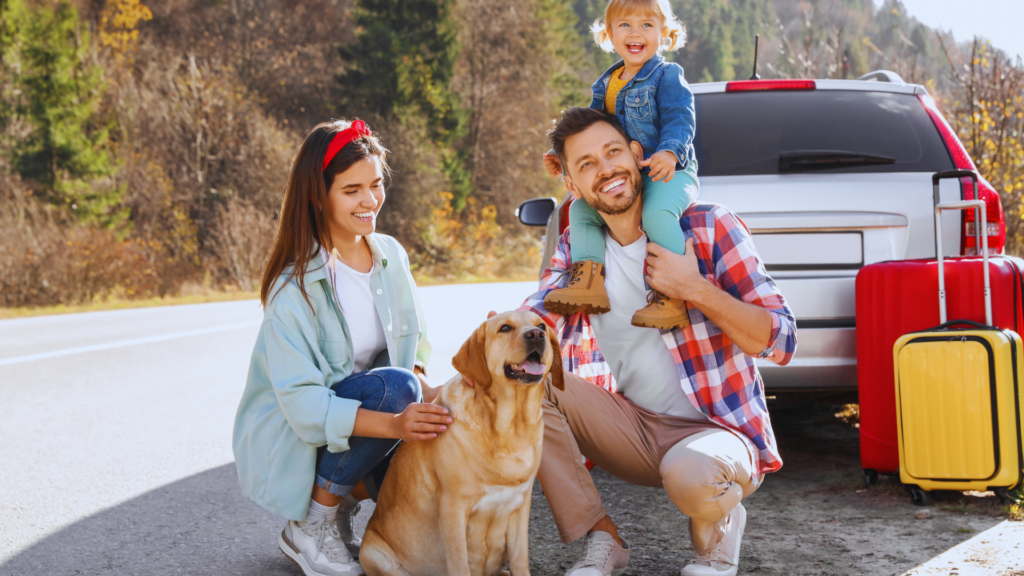
Traveling with a dog can be a rewarding experience, but it requires careful planning. To ensure a smooth journey, pet owners should prioritize their dog’s comfort and safety while being prepared for unexpected challenges. From selecting pet-friendly accommodations to packing essential supplies, every detail can enhance the travel experience. Preparation plays a crucial role in traveling with a dog. Researching routes with plenty of rest stops, ensuring vaccinations are up to date, and considering the dog’s temperament are essential steps. Having a checklist helps pet owners remember everything needed for their furry companion. Creating a positive travel environment can significantly affect a dog’s behavior on the road. Bringing familiar items such as toys or bedding can help ease anxiety. Ensuring regular breaks for exercise and bathroom needs will keep dogs happy and healthy during the trip. Preparing Your Dog for Travel Traveling with a dog requires careful preparation to ensure a safe and comfortable journey. Key aspects include selecting the right pet carrier and ensuring proper identification for your dog. Choosing the Right Pet Carrier Selecting an appropriate pet carrier is crucial for a successful trip. The carrier must be well-ventilated, spacious, and secure. It should allow the dog to stand, turn around, and lie down comfortably. Types of carriers: Travel crates: Ideal for longer trips, these are sturdy and often used for air travel. Soft-sided carriers: Suitable for road trips, they are lightweight and easier to stow. Before traveling, let the dog familiarize itself with the carrier. Allot time for the dog to explore it at home. Positive reinforcement, like treats, can help ease any anxiety. Identification and Microchip Information Proper identification is essential when traveling with a dog. A sturdy collar with an ID tag that includes the owner’s contact information is a must. Ensure that the collar fits well and is secure. Microchipping provides additional security. A microchip is a small device implanted under the skin that contains unique identification information. This can be invaluable if the dog gets lost during travel. Before departure, verify that the microchip is registered with current contact details. Regularly check the ID tag and update as necessary to avoid any potential issues while traveling. Accommodations and Destinations Choosing the right accommodations and destinations is crucial for a successful trip with a dog. Considerations include selecting dog-friendly hotels and locating nearby dog parks. Selecting Dog-Friendly Hotels When booking a hotel, it’s important to confirm their pet policies. Many hotels now offer pet-friendly options, but these can vary widely. Look for accommodations that provide amenities like: Pet beds Bowls for food and water Designated dog areas Some hotels may charge additional fees or have weight restrictions, so reviewing the fine print is essential. Online travel sites often include filters for dog-friendly options, simplifying the search process significantly. Booking in advance can help secure the best choices. Calling the hotel directly allows for discussion of specific needs, ensuring a comfortable stay for both the traveler and their dog. Locating Nearby Dog Parks and Spaces Researching local dog parks in advance can enhance the travel experience. Many cities feature well-maintained areas where dogs can play off-leash. Helpful tips include: Checking online resources or dog-specific apps for park locations. Reading reviews on amenities such as water fountains and agility equipment. Many parks also host events, allowing dogs to socialize. Ensuring these spaces are conveniently located near the accommodations can maximize free time for exercise and play. Creating a list of preferred parks along the travel route can streamline stops and keep the trip enjoyable. Transportation Considerations Traveling with a dog requires careful planning, especially regarding transportation. Understanding airline pet policies is crucial for a smooth experience. Understanding Airline Pet Policies Airlines have distinct policies concerning pet travel, which vary by carrier. Most airlines allow dogs to travel in the cabin or as cargo, depending on their size and breed. Key points to consider: Size Restrictions: Typically, dogs must fit in a carrier under the seat in front. This usually applies to pets weighing up to 15-20 pounds. Carrier Specifications: Travel crates must meet specific dimensions and ventilation requirements. Each airline lists approved carriers on its website. Documentation: Airlines often require health certificates, rabies vaccination records, and sometimes, advanced reservations for pet travel. Passengers should carefully review the airline’s pet policy beforehand to avoid unexpected fees or denied boarding. Packing for Your Dog When preparing to travel with a dog, having the right items is essential for a smooth experience. Food and Water Pack enough dog food for the entire trip, plus extra. Bring a portable water bowl and ensure access to clean water. Comfort Items Include your dog’s favorite blanket or bed to provide familiarity. A toy can help keep them entertained during travel. Health and Safety Carry a copy of your dog’s vaccination records. Have a first-aid kit with basic supplies such as bandages and antiseptic. Grooming Supplies Bring a brush for shedding and a comb to keep the coat tidy. Don’t forget waste bags for clean-ups on the go. Travel Essentials Include a sturdy collar with an ID tag and a leash. Consider a travel crate or harness for safe transport. Dog Treats Pack enough treats to reward good behavior. Choose healthy options that are easy to transport. Organizing these items in a dedicated bag can simplify the packing process. This ensures that everything needed for a dog is readily accessible during travel. A well-prepared dog owner promotes a comfortable and enjoyable journey.

Tips for Traveling with a Dog: Essential Advice for a Smooth Journey Read More »
Tips for Traveling on a Budget: Achieve More for Less

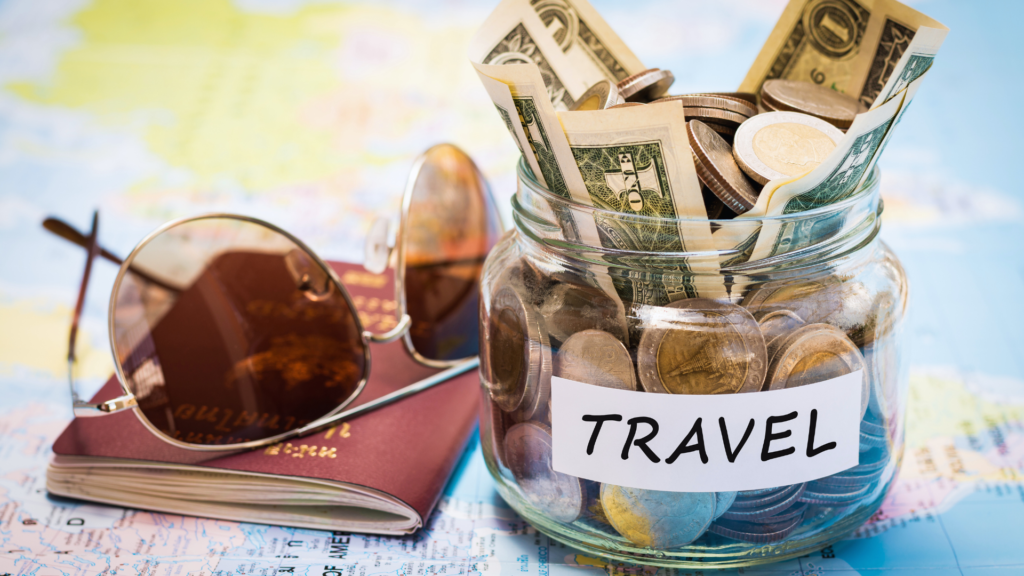
Traveling on a budget can seem daunting, but with the right strategies, it becomes achievable for anyone. By making informed choices, travelers can enjoy incredible experiences without breaking the bank. Utilizing budget travel tips helps individuals maximize their adventures while minimizing costs, enabling them to save money on transportation, accommodations, and activities. A few smart strategies can make all the difference. Booking flights and accommodations well in advance often leads to significant savings. Additionally, exploring off-peak seasons can offer lower prices and fewer crowds, enhancing the overall travel experience. Understanding how to prioritize spending is crucial. Focusing on free or low-cost attractions, using public transportation, and taking advantage of local deals are effective ways to enhance a travel experience while keeping it budget-friendly. Planning and Booking Effective planning and booking strategies can greatly reduce travel costs. Identifying the right times to travel and utilizing rewards can enhance the budget experience. Travel During Off-Peak Seasons Choosing travel dates can significantly influence overall expenses. Off-peak seasons, also known as shoulder seasons, typically feature lower flight and accommodation rates. For example, traveling during early spring or late fall can minimize costs. Popular destinations often have reduced prices during these times. Additionally, flights are often less crowded. This not only improves comfort but also increases the chances of getting better seat selections and upgrades. Leverage Rewards and Travel Points Travel rewards programs can help travelers save substantially. Many credit cards offer points for purchases that can be redeemed for flights and accommodations. Selecting a travel credit card with strong rewards can amplify savings. Frequent travelers should focus on cards that provide bonus points for travel-related expenditures. It’s essential to consolidate points across cards or programs for maximum benefits. Regularly checking bonus opportunities or limited-time offers can yield extra rewards. Book in Advance Booking flights and accommodations early can lead to considerable savings. Aim to secure reservations at least 3 to 4 months in advance for the best rates. Airlines and hotels often provide early-bird discounts. Setting fare alerts can assist in finding price drops on flights. Flexibility in travel dates can also enhance savings. Using fare comparison tools can reveal significant price variations for specific travel dates. In addition to flights, booking accommodations early often leads to a wider selection of affordable options. Accommodation Options Finding budget-friendly accommodations can significantly lower travel costs. Options such as alternative accommodations, hostels, and vacation rentals can provide comfort without breaking the bank. Alternative and Free Accommodation Travelers looking to cut costs can explore several alternative accommodation options. Couchsurfing connects guests with locals willing to offer a free place to stay. This arrangement often includes cultural exchange and can enrich the travel experience. House sitting is another viable option, allowing guests to stay in someone’s home while caring for pets or maintaining the property. Websites like TrustedHousesitters connect homeowners with sitters, making this an attractive choice. Lastly, camping can be an adventurous and affordable option. Many national parks offer low-cost campsites, enabling travelers to immerse themselves in nature. Stay in Hostels and Guest Houses Hostels are popular among budget travelers for good reasons. They typically offer shared dormitory-style rooms with affordable rates, often starting at $10-$30 per night. Many hostels provide communal kitchens, allowing guests to prepare their meals. This helps in saving on dining costs. Guest houses present a slightly more private alternative. They may offer private rooms at reasonable prices and a more intimate atmosphere. It’s common to find local guest houses on platforms like Airbnb, providing a blend of comfort and affordability. Consider Vacation Rentals and Short-Term Apartments Vacation rentals can be a cost-effective solution for groups or families traveling together. Websites like Airbnb and Vrbo offer entire apartments or homes, often at a lower rate per person compared to hotel rooms. Short-term apartments frequently come equipped with kitchens, enabling guests to cook and save on meals. Travelers should compare options carefully, checking reviews and fees to avoid surprises. Taking advantage of locations outside tourist hotspots can lead to better deals and a more authentic experience. Many apartments offer the feeling of being a local, enhancing the journey without significantly impacting the budget. Transportation and Getting Around Traveling on a budget requires smart choices regarding transportation. Utilizing public transport, embracing walking or cycling, and exploring various transport options can significantly cut costs while enhancing the travel experience. Utilize Public Transportation Public transportation offers an efficient and cost-effective way to navigate new destinations. Many cities provide buses, trams, and trains at reasonable fares. Travelers can often purchase multi-day passes for unlimited rides, which can yield even greater savings. Local apps frequently provide schedules and real-time updates, making it easier to plan journeys. Tip: Research routes and timetables in advance to minimize wait times. In some places, discounts may be available for students, seniors, or groups, so it is advisable to inquire. Opt for Walking or Cycling Walking and cycling are excellent methods for exploring destinations closely. They not only save money but also provide unique insights into local life. Many cities have pedestrian-friendly areas with attractions, markets, and restaurants within walking distance. Travelers can enjoy the sights and sounds at their own pace. Renting a bicycle can be an economical choice as well. Look for local rental shops or bike-sharing programs for affordable rates. Tip: Always wear a helmet and follow local cycling rules for safety. Benefit: This approach is healthy, environmentally friendly, and allows for more interaction with locals. Consider Various Transportation Options Different transportation options can save money and enhance travel experiences. Beyond public transport and cycling, exploring ride-sharing services or car rentals can be beneficial. Ride-sharing apps like Uber or Lyft provide convenience, especially when public transport isn’t readily available. Comparing prices between these services can yield budget-friendly options. Rental cars are ideal for those intending to travel to rural areas or specific attractions outside urban centers. Tip: Look for off-peak rental rates and avoid airport pickups for better deals. Taking advantage of travel deals and considering the full range of available

Tips for Traveling on a Budget: Achieve More for Less Read More »

How to Reduce Travel Stress: Practical Tips for a Smoother Journey

Traveling can be an exhilarating experience, but for many, it also brings a fair share of anxiety and stress. To effectively reduce travel stress, preparation is key; planning ahead helps mitigate the surprises that often lead to anxiety. From booking accommodations to packing essentials, a well-organized approach can set a positive tone for the trip. In addition to practical arrangements, managing expectations plays a vital role in minimizing travel-related worries. When travelers recognize that not everything will go according to plan, they can better adapt and enjoy the journey. Techniques such as mindfulness or breathing exercises can also provide immediate relief during stressful moments on the road. Ultimately, tackling the sources of travel anxiety involves a combination of preparation, adaptability, and self-care strategies. By focusing on these elements, anyone can transform their travel experience from a source of stress into an enjoyable adventure. Planning Your Trip Effective trip planning can significantly minimize travel stress. By addressing key areas such as destination selection, packing, and financial preparation, travelers can set themselves up for a more enjoyable experience. Choosing a Destination Selecting the right destination is crucial. Travelers should consider factors such as climate, activities, budget, and travel restrictions. They can start by researching options online, reading blogs, and checking social media for inspiration. It’s also beneficial to think about the traveler’s interests—be it adventure, relaxation, culture, or history. Creating a shortlist helps in narrowing down choices, allowing for deeper research on each destination. Additionally, reviewing travel advisories and local customs prepares one for suitable behavior and necessary precautions, further reducing potential stress. Creating a Packing List A well-crafted packing list helps avoid the stress of forgotten items. Travelers should begin by assessing the duration of their trip and the weather forecast for their destination. It can be helpful to categorize items into clothing, toiletries, and electronics. Example Packing List: Clothing: 3 shirts, 2 pairs of pants, 1 jacket Toiletries: Toothbrush, travel-sized shampoo, skincare Electronics: Phone charger, headphones, camera This organization minimizes time spent packing and ensures essentials are not overlooked. Using packing cubes can also streamline the process, making it easier to find items during the trip. Securing Finances & Travel Insurance Financial preparation is essential to avoid travel-related stress. Travelers should outline a budget covering flights, accommodations, food, and activities. Using budgeting apps can help track expenses in real-time. Before departing, it’s wise to inform banks about travel plans to prevent card blocks. Additionally, securing travel insurance provides peace of mind against unforeseen events. Travelers should look for plans that cover health, trip cancellations, and lost luggage. Reviewing policy details helps to find adequate coverage tailored to their specific needs. Packing and Preparation Proper packing and preparation are crucial to reducing travel stress. Focusing on essential items, staying organized, and including comfort items can greatly enhance the travel experience. Travel Essentials It is important to pack the right travel essentials to ensure a smooth trip. Items such as travel documents, identification, and tickets should be stored in a designated place. A travel wallet or organizer can help keep everything in one spot. A packing list is highly beneficial. Important essentials might include: Chargers for devices Snacks to maintain energy levels Reusable water bottle for hydration Including health-related items like medications and a small first-aid kit can prevent last-minute stress. The combination of organization and necessities will streamline the travel process. Stay Organized Staying organized during the packing process is key. Utilizing packing cubes can separate clothing and accessories, making it easier to find items when needed. A clear outline of what to pack can reduce the chance of forgetting items. Consider using a list to track packed items. Digital note-taking apps or a simple notebook can work well. For instance: Clothing: Based on the destination and activities. Electronics: All chargers and adapters. Toiletries: Keep it simple and travel-sized. Maintaining organization leads to peace of mind and minimizes stress while traveling. Comfort Items Including comfort items makes travel more enjoyable. Noise-canceling headphones can help block out distractions during flights or long bus rides. These allow for a more relaxed experience, especially in crowded areas. A neck pillow can also enhance comfort, making naps more feasible during travel. Additionally, bringing a lightweight blanket or shawl can provide warmth. Staying hydrated is essential; a reusable water bottle not only helps with that but also promotes self-care. Keeping personal comfort items on hand can significantly improve the overall travel experience. During the Travel Travel can present various challenges, often leading to increased stress. Understanding how to cope with unexpected delays, anxiety, and the importance of self-care can significantly enhance the travel experience. Coping with Delays Unexpected delays during travel can disrupt plans and elevate stress levels. Passengers should remain informed by checking flight status through airline apps or websites. If faced with delays, it can be helpful to communicate with customer service representatives. They may provide options for rebooking or compensation. Creating a plan for waiting times can ease frustration. Consider bringing a book, downloading movies, or using mobile games to pass the time. Snacks or light meals can also help maintain energy levels during long waits. Dealing with Anxiety Travel-related anxiety can occur due to uncertainty about schedules or navigating new environments. Practicing relaxation techniques can be beneficial. Deep breathing exercises can calm nerves. Inhale slowly through the nose for a count of four, hold for two, then exhale through the mouth for six counts. Repeat this until a sense of calm is achieved. For those traveling with companions, discussing fears openly can provide reassurance. Sharing experiences can help create a supportive environment. Engaging in Self-Care Prioritizing self-care during travel is vital for reducing stress. Simple practices can lead to a more enjoyable journey. Staying hydrated helps maintain energy levels. Carry a reusable water bottle and refill it regularly. Taking breaks for gentle stretches can relieve tension in the body. Finding space to move or even practicing stretching at the airport can positively impact mood. Mindfulness practices, such as listening to soothing

How to Reduce Travel Stress: Practical Tips for a Smoother Journey Read More »

Essential Safety Tips for Solo Travelers: Navigating Your Journey with Confidence

Solo travel offers unique opportunities for exploration and self-discovery, but it also comes with distinct safety challenges. Knowing essential safety tips for solo travelers can make all the difference in ensuring a secure and enjoyable journey. With the right precautions, solo adventurers can navigate new destinations with confidence and peace of mind. Understanding the potential risks is critical for anyone embarking on a solo travel experience. Simple strategies, such as staying aware of surroundings and establishing communication plans, can significantly enhance safety. Moreover, choosing accommodation wisely and being mindful of personal belongings helps mitigate risks during solo adventures. By integrating practical safety tips into their travel routine, solo travelers can focus more on immersing themselves in new cultures and experiences. This blog post will explore various strategies and insights aimed at empowering those who travel alone, ensuring they remain safe while creating unforgettable memories. Planning Your Solo Adventure Effective planning is crucial for a successful solo trip. By conducting thorough research, organizing a detailed itinerary, selecting safe accommodations, and managing important documents, travelers can enhance their security and enjoyment. Research Your Destination Gathering information about the chosen destination is essential. This includes understanding local customs, culture, and laws. Knowledge of travel advisories can provide insights into any risks travelers may face. Key sources of information include: Government websites: Check for safety tips and current advisories. Travel forums: Engage with other solo travelers for firsthand experiences. Local news: Stay updated on recent events that may affect safety. Knowing vaccination requirements is also important. Some countries may require proof of immunization for certain diseases. Preparing Your Itinerary A detailed itinerary can guide a solo traveler’s journey while offering flexibility. Include key details such as flight information, accommodation addresses, and local transportation options. Include the following elements: Daily activities: Outline major attractions and activities to avoid missing highlights. Alternate plans: Be ready with backup options in case of unforeseen changes. Share your itinerary: Send it to friends or family, enhancing personal safety. Travelers should ensure they allow time for rest and leisure within their itinerary to avoid burnout. Selecting Safe Accommodations The choice of accommodation impacts both safety and comfort. Research accommodations carefully, looking for reputable hotels or hostels that have good reviews and a solid security reputation. Consider these factors: Location: Opt for areas known for safety and accessibility. Security measures: Look for features like 24-hour reception, in-room safes, and secure entrances. Reviews: Websites like TripAdvisor or Booking.com can offer insights from other travelers’ experiences. Reaching out to previous guests for direct feedback can also be beneficial for an informed choice. Handling Important Documents Maintaining proper documentation is vital for a smooth trip. Solo travelers should organize and secure important documents, such as passports and visas. Strategies to manage documents include: Digital copies: Keep scanned versions in a secure cloud storage. Physical security: Use a travel wallet to store documents safely. Insurance documentation: Carry travel insurance details, which can assist in emergencies. Keeping a list of important contacts, including local embassies, will enhance preparedness for any unexpected situations. Personal Safety and Security Measures Maintaining personal safety and security is crucial for solo travelers. By employing specific measures, travelers can significantly reduce risks and enhance their experience. Safeguarding Your Belongings Travelers should keep valuables out of sight to deter theft. This includes storing items like phones, wallets, and passports in anti-theft bags, which feature lockable zippers and cut-resistant straps. Using travel gear with secure compartments is important. For example, a money belt or hidden pouch can safely carry cash and cards. Avoid displaying expensive items, like jewelry or high-end electronics, in public. When not in use, travelers should store their belongings securely in accommodations. Utilizing hotel safes or locking items in luggage can help mitigate risk. Notifying friends or family about travel plans also adds an extra layer of security. Staying Connected Staying connected with family or friends back home is essential. Travelers can share their location using apps that allow real-time updates, enhancing safety during solo adventures. Carrying a personal safety alarm can also be a prudent measure. These devices emit loud noises to attract attention in threatening situations. Making a list of emergency contacts before leaving can save time in a crisis. Access to a reliable phone and internet connection is important. Pre-loading maps and necessary contacts ensures travelers can navigate without unnecessary stress. Choosing accommodations with Wi-Fi can aid in staying connected with loved ones. Understanding Local Culture Understanding local culture and customs is vital for navigating safely. Travelers should research social norms regarding dress, behavior, and language before arrival. Being aware of local customs helps in avoiding unintentional offense. For instance, knowing greetings or basic phrases can foster goodwill. This also provides insight into practices that may impact personal safety. Local advisories provide valuable information about areas to avoid or cultural events that may be beneficial. Travelers can connect with locals and gain recommendations for safe venues or attractions, enhancing both cultural immersion and security. Implementing Travel Safety Tips Adopting practical travel safety tips is crucial. For instance, using safe payment methods, like credit cards, limits exposure to cash and reduces identity theft risk. Travelers should remain vigilant in crowded areas, as pickpockets often operate where distractions occur. Keeping bags secured and holding them close can deter opportunistic theft. Establishing a routine can help maintain awareness. Regularly checking surroundings and staying alert to unusual behavior can enable travelers to react swiftly if faced with danger. Making informed choices while on the go enhances the overall travel experience. Health and Emergency Preparedness Health and emergency preparedness is crucial for solo travelers. It involves being equipped with essential medical supplies and knowing how to respond effectively in different situations. First-aid and Medical Essentials A well-stocked first-aid kit is essential. Recommended items include: Adhesive bandages in various sizes Antiseptic wipes or ointment Gauze pads and adhesive tape Pain relievers like ibuprofen or acetaminophen Allergy medication, such as antihistamines Travelers should also include personal medications and any specific items relevant to their

Essential Safety Tips for Solo Travelers: Navigating Your Journey with Confidence Read More »

10 Off-the-Beaten-Path Destinations in Europe for Unique Travel Experiences

Travelers seeking unique experiences often overlook the hidden gems of Europe, favoring well-trodden tourist spots instead. This article uncovers ten off-the-beaten-path destinations that promise unforgettable adventures and authentic cultural encounters. From picturesque villages to breathtaking natural landscapes, these unique places offer a refreshing alternative to the usual itinerary. Exploring these lesser-known locations allows visitors to connect with local traditions and discover stunning scenery away from the crowds. Whether it’s charming towns, secret beaches, or scenic hiking trails, Europe is filled with treasures waiting to be explored. Those who venture beyond the typical destinations will find rich histories and vibrant communities eager to share their stories. Hidden Cultural Treasures of Europe Europe is home to numerous hidden gems that showcase rich cultural histories and unique architectural styles. These locations offer insights into local traditions and artistic expressions that are often overlooked by mainstream tourism. Meditative Matera: Italy’s Underground Marvel Matera, located in Basilicata, Italy, is renowned for its ancient cave dwellings, known as Sassi. This UNESCO World Heritage Site features homes carved into limestone cliffs, offering a glimpse into a way of life that dates back thousands of years. Visitors can explore winding streets, ancient churches, and rock-hewn architecture. The intricate frescoes within these caves reveal the region’s deep spirituality and artistic heritage. Matera’s local culture is vibrant, with festivals celebrating traditional music and cuisine, providing an immersive experience for travelers seeking authenticity. Mostar and Its Ottoman Charms in Bosnia and Herzegovina Mostar, famous for its iconic Stari Most (Old Bridge), lies in Bosnia and Herzegovina. This city is a stunning example of Ottoman architecture, with minarets and stone buildings that reflect a rich cultural heritage. The Neretva River flows through Mostar, enhancing its scenic beauty. Visitors can wander through the cobblestone streets of the Old Bazaar, where artisans sell handmade crafts. The blend of cultures is palpable, making Mostar a compelling destination for those interested in history and local traditions. Kazimierz Dolny: Poland’s Artistic Riverside Gem Kazimierz Dolny, situated along the Vistula River in Poland, is a charming town known for its artistic community and historical significance. The area is characterized by beautifully preserved Renaissance architecture and stunning river views. Local art museums showcase a variety of works, from traditional paintings to contemporary installations. The town’s cultural events, including art festivals, attract both artists and visitors alike. Kazimierz Dolny’s tranquil atmosphere and artistic vibe make it a delightful retreat for those exploring Poland’s hidden cultural treasures. Natural Pearls of the European Landscape Europe is home to breathtaking natural beauty that often goes unnoticed. From secluded waterfalls to picturesque coastlines, the continent offers hidden treasures for nature enthusiasts. Scotland’s Secluded Waterfalls and Stunning Landscapes Scotland is renowned for its dramatic landscapes, featuring numerous waterfalls tucked away in remote locations. The Fairy Pools on the Isle of Skye are a prime example. With their crystal-clear waters, they attract hikers and photographers alike. Corries and glens provide the perfect backdrop for these natural wonders, showcasing the rugged beauty of the Highlands. The region’s unique geological features, like the Old Man of Storr, further enhance its allure. Exploring these areas allows visitors to experience Scotland’s pristine nature away from the crowds. Norway’s Lofoten Islands: A Nordic Wonderland The Lofoten Islands in Norway are known for their stunning landscapes of sharp peaks and secluded beaches. These islands feature a mixture of mountains, fiords, and dramatic coastlines, forming an idyllic setting for outdoor activities. The village of Reine exemplifies the charm of this region with its traditional red fishing cabins. Visitors can hike through untouched nature, exploring trails that range from easy walks to challenging climbs. In addition, the islands offer excellent opportunities for kayaking and fishing, immersing travelers in the area’s natural beauty. The Algarve’s Hidden Coves and Charming Seaside Villages The Algarve region of Portugal is famous for its scenic coastline, dotted with hidden coves and charming seaside villages. Praia da Marinha is a standout, celebrated for its striking limestone cliffs and clear waters. This beach is often ranked among the best in Europe. Traditional villages such as Cacela Velha offer a glimpse into local culture, featuring whitewashed buildings and narrow cobblestone streets. The Algarve’s combination of picturesque landscapes and cultural charm makes it a hidden gem for travelers seeking tranquility. Picturesque and Pastoral European Escapes Europe boasts numerous destinations that capture the beauty of pastoral living and breathtaking landscapes. The following sites exemplify stunning surroundings where visitors can immerse themselves in cultural heritage and serene environments. Painted Perfection in Austria’s Hallstatt Hallstatt, a UNESCO World Heritage Site, is renowned for its picturesque village nestled between the mountains and Lake Hallstatt. The charming streets are lined with 16th-century buildings, offering a glimpse into the region’s history. Visitors can explore local shops selling salt and artisan crafts. The town’s scenic views provide the perfect backdrop for photography enthusiasts. The salt mine tour, set high on the mountain, reveals fascinating geological formations and ancient history. Nature lovers can also hike to nearby trails for panoramic views of the Alps and the lake. Provence: France’s Wine Country and Lavender Fields Provence is famous for its rolling vineyards and vibrant lavender fields, creating a stunning landscape that changes with the seasons. Wine tasting in local wineries allows tourists to sample exceptional regional varietals. The area is characterized by its charming villages, like Gordes and Roussillon, known for their colorful façades. In summer, the lavender fields bloom, attracting visitors from around the world. The scent and beauty create a serene atmosphere perfect for relaxation. Culinary experiences abound, with fresh produce featured in local dishes that highlight the region’s agricultural bounty. Tallinn, Estonia: A Blend of History and Technology Tallinn combines medieval architecture with modern innovation, making it a unique destination in Europe. The well-preserved old town, a UNESCO World Heritage Site, features cobblestone streets and historic buildings that transport visitors to the past. Highlights include the iconic Alexander Nevsky Cathedral and the Town Hall. Despite its historical charm, Tallinn is also a hub of technology and creativity. Innovative

10 Off-the-Beaten-Path Destinations in Europe for Unique Travel Experiences Read More »

Booking a Girls Trip: Essential Tips for an Unforgettable Adventure

Planning a girl’s trip can be an exciting adventure filled with opportunities for bonding and exploration. Choosing a destination that offers a mix of wellness, outdoor adventures, and cultural experiences ensures that everyone can find something enjoyable to do. Whether it’s a relaxing retreat at a spa, hiking in beautiful landscapes, or discovering local traditions and cuisines, the experience can provide lasting memories. The key to a successful trip lies in careful preparation. They should consider various travel tips such as budgeting, accommodation options, and creating an itinerary that balances group dynamics and personal preferences. Prioritizing activities that promote both relaxation and excitement will enhance the overall experience. As they embark on this journey, travelers need to remain flexible and open-minded. A well-planned girls’ trip not only strengthens friendships but also allows for personal growth and unforgettable experiences. Planning Your Destination Choosing the right destination is crucial for a memorable girl’s trip. The perfect location can enhance the experience and cater to each person’s interests. Whether it’s vibrant city life, sandy beaches, adventurous activities, or rich cultural experiences, careful planning will ensure everyone has a great time. City Escapes and Iconic Landmarks Cities offer a dynamic backdrop for girls’ getaways, blending culture, dining, and iconic sights. New York is a standout choice, featuring landmarks like the Empire State Building and Central Park. A weekend trip can include shopping in SoHo and shows on Broadway. Chicago provides an architectural marvel, with activities like visiting Millennium Park and the Art Institute. Culinary experiences also abound, from deep-dish pizza to gourmet dining. For a European twist, Barcelona enchants with its stunning architecture, including the famous Park Güell. A city escape allows for the exploration of diverse neighborhoods, tapas, bars, and vibrant nightlife. Beach Destinations and Coastal Getaways Beach getaways provide relaxation and rejuvenation. Miami, with its South Beach allure, is ideal for sunbathing and nightlife. The vibrant atmosphere, paired with beachside cafés and shops, makes it a perfect summer destination. Hilton Head Island offers a more tranquil beach experience, known for its beautiful shorelines and golf courses. Visitors can enjoy water sports and bike trails for an active retreat. For those seeking international beaches, consider destinations like Tulum or Cancun in Mexico. Both locations feature beautiful coastlines, with opportunities for snorkeling and exploring ancient ruins. Adventurous Escapes and Natural Wonders For those looking for adventure, destinations like Alaska offer breathtaking natural wonders. Exploring national parks provides opportunities for hiking, wildlife spotting, and breathtaking scenery. Experiences can include glacier tours or kayaking in serene waters. If exploring different terrains is appealing, consider a trip to Reykjavik. The Blue Lagoon is a stunning geothermal spa, perfect for relaxation after a day of sightseeing. Various excursions are available, including hiking or visiting waterfalls. For the more adventurous spirit, consider an active retreat in Costa Rica. Activities might include zip-lining through rainforests or surfing on picturesque beaches. Cultural Havens and Historical Retreats Cultural and historical destinations enrich travel experiences. New Orleans, especially during Mardi Gras, invites visitors to immerse themselves in vibrant celebrations. The city’s rich history is reflected in its architecture and cuisine. Savannah offers a beautiful blend of history and charm, with lush parks and historic homes. Guided tours can reveal fascinating stories of the region, perfect for history enthusiasts. Nashville stands out as a hub for music lovers, home to the Country Music Hall of Fame. Attendees can enjoy live music performances and visit iconic venues, providing an unforgettable cultural experience. Accommodation and Lifestyle Choosing the right accommodation is vital for enhancing the experience of a girls’ trip. For instance, if one is planning a trip to some beach, a venice beach ca hotel can provide a lot of different accommodations. Many hotels also provide amenities like swimming pools, dining areas, and even kitchen facilities. Options range from luxurious retreats to budget-friendly group accommodations catering to various preferences and lifestyles. Luxury and Wellness Retreats Luxury hotels and wellness retreats provide an indulgent escape. They often feature amenities such as rooftop pools, fine dining options, and comprehensive spa services. These settings are designed to blend comfort with revitalisation, creating an ideal environment for rest and renewal. For those seeking a more transformative approach to wellbeing, facilities like Palazzo Fiuggi or similar wellness-focused establishments can further elevate the experience, combining therapeutic treatments with exceptional hospitality. Such immersive environments encourage guests to disconnect from daily stressors and fully embrace mindful living, allowing them to return home with a renewed sense of clarity and balance. Unique Stays and Experiential Lodging Opting for unique accommodations can elevate the vacation experience and make the trip truly unforgettable. Stays such as glamping sites, treehouses, or boutique hotels allow travelers to immerse themselves in the local atmosphere while enjoying a more personalized environment. Glamping, in particular, offers the perfect blend of comfort and nature. Places like Agriturismo Pereti provide a charming example, combining scenic landscapes with cozy, eco-friendly lodging that enhances the sense of escape. Cruise ships present a blend of luxury and adventure, allowing for visits to multiple locations while enjoying onboard amenities. These options often include activities like outdoor adventures, enhancing the overall experience. Each stay can provide tailored experiences, ensuring memorable moments with friends. Budget-Friendly Options and Group Accommodations For those looking to save, budget-friendly options are plentiful. Hostels, vacation rentals, and group accommodations cater to larger parties, creating a communal atmosphere. Airbnbs and affordable hotels allow for flexibility and shared spaces, making it easier to socialize. Additionally, many destinations offer all-inclusive resorts, where meals and activities are covered, enhancing the budget experience. By combining affordability with comfort, these options enable trips without financial strain, making them ideal for friends looking to reconnect. Activities and Entertainment When planning a girls’ trip, selecting the right activities and entertainment can elevate the experience. Prioritizing a mix of culture, relaxation, and excitement ensures that everyone has a memorable time. Shopping, Dining, and Nightlife Shopping can be a highlight of any girls’ trip. Destinations like Miami and South Beach offer trendy boutiques

Booking a Girls Trip: Essential Tips for an Unforgettable Adventure Read More »

Hidden Gems in Europe: Uncovering Hidden Treasures Off the Beaten Path

Europe is filled with popular tourist destinations, but many travelers overlook the hidden gems that offer unique experiences. These lesser-known locations provide a glimpse into the authentic culture and beauty of the continent, often without the crowds that can accompany more famous sites. Exploring these hidden treasures can lead to unforgettable adventures and a deeper appreciation for Europe’s diverse landscape. From charming medieval villages to breathtaking natural wonders, each hidden gem tells its own story. Travelers can discover quaint towns where time seems to stand still and spectacular vistas that showcase stunning scenery. These places allow visitors to connect more intimately with the local way of life, making their trips truly memorable. Destination enthusiasts will find that seeking out these hidden gems not only enriches their journeys but also reveals remarkable experiences often left untouched. With a bit of exploration, they can uncover parts of Europe that many have yet to experience. Unveiling Europe’s Hidden Gems Europe is filled with remarkable locations that often escape the attention of travelers. Exploring these hidden gems offers a unique glimpse into diverse cultures and stunning landscapes. Discovering the Underrated Places Many of Europe’s underrated places possess charm and character that rival more popular destinations. For example, Alberobello in Italy is famous for its trulli—traditional dry stone huts with conical roofs. Sibiu, a city in Romania, features colorful architecture and a rich history, making it an intriguing stop. The Isle of Skye in Scotland offers breathtaking views, dramatic landscapes, and a peaceful atmosphere, ideal for nature lovers. In Slovenia, Lake Bled captivates with its emerald waters and fairy-tale island, providing both relaxation and adventure. Each of these spots invites travelers to experience local traditions and less commercialized environments. Unique Places to Visit in Europe Certain unique destinations highlight Europe’s diverse cultural tapestry. Ronda, Spain, with its iconic gorge and breathtaking views, illustrates stunning architecture and vibrant history. Dinant, located in Belgium, is known for its dramatic cliffs and beautiful river setting. The Faroe Islands present a remote and stunning landscape, with opportunities for hiking and enjoying nature. In Hungary, Eger is recognized for its historical architecture and wine culture. Such places enrich the travel experience, offering insights into local lifestyles and avoiding the crowds often found in better-known sites. These hidden gems shine as vibrant alternatives, ready to be explored. Cultural Riches and Historical Splendor Europe is home to an abundance of cultural and historical treasures. From ancient cobblestone alleys to impressive UNESCO World Heritage Sites, the continent offers a profound exploration of its past and present. Cobblestone Alleys and Medieval Towns Many medieval towns feature winding cobblestone alleys, where history comes alive through their architecture. Towns like Carcassonne in France and Ronda in Spain showcase fortifications and homes from the Middle Ages. Walking through these alleys reveals well-preserved Ottoman architecture as seen in places like Sarajevo, blending Eastern and Western influences. The charming atmospheres invite visitors to experience local markets, small cafes, and artisan shops. Each town offers a unique glimpse into its historical context, making it perfect for exploration. The stories embedded in the stones and buildings create a captivating backdrop for anyone interested in history and culture. UNESCO World Heritage Sites Off the Beaten Path Numerous UNESCO World Heritage Sites showcase Europe’s diverse heritage, often overlooked by tourists. Northumbria’s Hadrian’s Wall in England reveals the Roman Empire’s reach, while Visby in Sweden encompasses medieval architecture and a rich trading history. Other notable sites include Kotor in Montenegro, known for its stunning fjord-like bay and fortified old town. These lesser-known locations provide a tranquil experience, allowing deeper insight into the region’s culture and history. Visiting these sites offers not just beautiful vistas but also educational opportunities about Europe’s multifaceted historical narrative. Emphasizing tangible examples of artistry and resilience, they represent the continent’s cultural riches. Natural Wonders and Outdoor Adventures Europe boasts remarkable natural wonders that appeal to nature lovers and adventure seekers alike. From hidden natural spots to breathtaking coastlines and mountain ranges, the continent offers countless opportunities to explore its diverse landscapes. Secluded Nature Spots for Outdoor Enthusiasts Many secluded spots in Europe provide an escape into nature. For instance, Trolltunga in Norway presents a stunning viewpoint that juts out 700 meters above the fjord below. This challenging hike draws adventurous hikers seeking impressive views. In Slovenia, the Vintgar Gorge is another hidden gem. Visitors can walk along wooden walkways beside rushing waters and waterfalls. The vibrant greens and blues create stunning photo opportunities. Other notable places include Plitvice Lakes National Park in Croatia, known for its cascading lakes and rich biodiversity. These secluded areas allow nature enthusiasts to connect with the environment away from crowded tourist spots. Rugged Coastlines and Towering Peaks Europe’s coastlines and peaks showcase its dramatic terrain. The Cliffs of Moher in Ireland rise over 200 meters above the Atlantic Ocean, offering breathtaking views and opportunities for birdwatching. The rugged beauty attracts thousands of visitors each year. In the Dolomites of Italy, adventurers can find towering peaks and stunning valleys. The area is perfect for hiking, skiing, and rock climbing, catering to various outdoor interests. The distinct rock formations create a unique backdrop for all activities. Farther south, just off the coast of Africa, Tenerife stands as the largest of Spain’s Canary Islands. This volcanic island blends stark, otherworldly landscapes with inviting black-sand beaches and vibrant coastal nightlife. Here, visitors can explore the vast volcanic terrain of Mount Teide National Park by day and experience lively boat parties in Tenerife by night, where they can dance, socialize, and soak in the island’s stunning ocean views. Authentic Local Experiences Exploring authentic local experiences in Europe offers a deeper connection to its diverse cultures. Engaging with localized accommodations and traditional culinary delights can create lasting memories. Living Like a Local: Bed and Breakfasts and Hamlets Staying in bed and breakfasts provides a unique opportunity to experience local hospitality. Many of these establishments are nestled in picturesque hamlets, where visitors can connect with residents and learn about regional traditions.

Hidden Gems in Europe: Uncovering Hidden Treasures Off the Beaten Path Read More »

How Exploring New Places Changes You: Discovering Personal Growth Through Travel

Traveling to new places opens doors to experiences that can profoundly impact a person’s life. Exploring new destinations fosters personal growth through fresh perspectives, challenges, and insights that shape an individual’s character and worldview. With each journey, travelers encounter diverse cultures, traditions, and lifestyles, prompting them to rethink their own beliefs and habits. When someone steps outside their comfort zone, they not only discover hidden facets of the world but also of themselves. New experiences, whether they involve navigating unfamiliar streets or sampling local cuisines, encourage adaptability and resilience. These moments can ignite passions, inspire creativity, and deepen empathy toward others. The transformation brought on by travel goes beyond mere enjoyment; it instills a sense of confidence and purpose. As individuals embrace the unknown, they often return home with a renewed outlook, better equipped to tackle life’s challenges and advocate for positive change in their communities. The Impact of Travel on Personal Development Travel serves as a powerful catalyst for personal growth. It promotes independence and sparks creativity, leading to enhanced problem-solving skills. The experiences gained through exploration contribute significantly to self-discovery and self-confidence. Fostering Independence and Self-Discovery Travel encourages individuals to step outside their comfort zones. In unfamiliar environments, they learn to navigate challenges independently. This fosters a sense of autonomy that translates into everyday life. When individuals face new situations while traveling, they discover facets of themselves that may have remained hidden. Engaging with diverse cultures nurtures self-awareness and broader perspectives. Through travel, a person often reevaluates their values and priorities, leading to deeper self-discovery. Boosting Creativity and Problem-Solving Skills Experiencing new places stimulates creativity. Novel environments inspire fresh ideas and innovative thinking. This shift in perspective helps individuals tackle problems more effectively. Travel often requires quick thinking and adaptability. As they encounter unexpected situations, travelers develop resilience and strategic problem-solving skills. These experiences enhance self-confidence and empower them to face future challenges with a proactive approach. Cultural Enrichment and Social Benefits Exploring new places facilitates cultural enrichment and fosters social benefits. By immersing themselves in diverse environments, individuals gain a deeper understanding of varying cultures, leading to increased empathy and improved communication. Exploring Diversity and Practicing Empathy Traveling exposes individuals to a variety of cultures, practices, and beliefs. This firsthand experience cultivates cultural awareness, encouraging tolerance and appreciation for differences. Engaging with diverse communities allows travelers to witness unique traditions, food, and art forms. Experiencing these differences helps in developing empathy. As individuals learn about others’ challenges and perspectives, they become more understanding and accepting. The ability to connect on a personal level benefits interactions across cultures, enriching a person’s worldview and emotional intelligence. Building Meaningful Relationships and Communication Skills Interacting with locals fosters meaningful relationships. These connections often transcend geographical boundaries, resulting in friendships that span continents. Engaging with others enhances communication skills, as conversations often require adaptability and the use of different verbal and non-verbal cues. Through these interactions, individuals can learn to navigate social nuances and break down language barriers. This dynamic exchange nurtures cooperation and builds trust, which is essential for fostering a sense of community. By developing these skills, individuals empower themselves to connect authentically with others, enriching their social and personal lives. Wellbeing and Mental Health Advantages Exploring new places offers significant benefits for well-being and mental health. Engaging with unfamiliar environments can lead to reduced stress and a deeper connection to nature, both of which contribute positively to mental well-being. These experiences can foster reflection and promote inner peace. Reducing Stress and Promoting Mental Wellbeing Traveling to new locations acts as a powerful stress reliever. The change of scenery helps individuals break away from daily routines and responsibilities. This break can reduce the overall levels of cortisol, a hormone associated with stress. Engaging in new activities and immersing oneself in different cultures fosters a sense of accomplishment and can enhance self-esteem. These feelings can combat anxiety and improve mood. Creating memorable experiences, such as hiking or exploring local markets, can also lead to positive reflections about one’s life. Connecting with Nature for Inner Peace Nature therapy is an effective way to enhance mental health. Exposure to natural environments has been linked to reduced symptoms of anxiety and depression. The sights, sounds, and smells of nature have a calming effect, fostering inner peace. Spending time outdoors encourages mindfulness, allowing individuals to focus on the present moment. Activities like walking in parks or hiking in forests can promote relaxation. This connection to nature provides an opportunity for reflection, helping individuals to recharge and nourish their mental well-being.

How Exploring New Places Changes You: Discovering Personal Growth Through Travel Read More »

How to Stay Safe While Traveling: Essential Tips for Secure Journeys

Traveling opens up a world of experiences, but safety should always remain a top priority. To stay safe while traveling, one can utilize travel safety tips and resources like the Smart Traveler Enrollment Program to receive timely updates and advisories about destination risks. Being informed about travel advisories and warnings enables travelers to make educated decisions that enhance their safety. Knowing local customs, securing valuable belongings, and maintaining awareness of one’s surroundings are essential practices for ensuring personal safety abroad. Preparing before the journey and keeping updated with the latest travel advisories can help mitigate risks associated with different locations. Incorporating these strategies can lead to a more enjoyable travel experience while maintaining a sense of security. Preparing for Your Trip Preparation plays a crucial role in ensuring a safe travel experience. Key aspects include organizing travel documents, addressing health requirements, and obtaining travel insurance. Each of these elements is vital to avoid complications during the journey. Travel Documents and Itineraries Travelers need to ensure they have the necessary documents before their trip. Important travel documents include a valid passport, visas (if required), and a driver’s license. Itineraries help maintain organization. This should include flight details, accommodation addresses, and transportation information. Keeping both digital and printed copies is advisable. Travelers often benefit from a packing list. Include essential items such as emergency contacts, hotel reservation confirmations, and local currency. This organization minimizes stress and enhances preparedness. Health and Vaccination Health precautions cannot be overlooked. Routine vaccines should be kept up to date, including hepatitis A, typhoid, and measles. A healthcare provider can advise on specific vaccines based on the travel destination. Health risks vary by location. Travelers should research potential health concerns, such as food or waterborne illnesses. Understanding vaccination requirements helps in avoiding complications. Carrying a health insurance card is essential for accessing medical care abroad. It provides peace of mind while knowing that necessary support is available. Travelers should also consider obtaining vaccinations for diseases like yellow fever or malaria, depending on the area visited. Travel Insurance and Safety Measures Travel insurance is an essential aspect of preparation. It covers unexpected emergencies like trip cancellations, medical emergencies, or lost luggage. She should carefully compare plans to select comprehensive coverage. Emergency evacuation is another consideration. Some plans include provisions for medical emergencies requiring evacuation to a better-equipped facility. Safety measures extend beyond insurance. It’s prudent to share travel itineraries with family or friends. They should also save emergency numbers locally, including contacts for local embassies or consulates. Understanding and preparing for these risks contributes to a safer travel experience. Staying Safe on the Move Traveling often involves various modes of transportation, food and drink choices, and managing finances. Being aware of safety measures can help avoid risks associated with these aspects of travel. Transportation Safety Choosing safe transportation is essential. When traveling by car, always wear a seatbelt. This simple action significantly reduces the risk of injury in motor vehicle crashes. If using public transport, opt for reputable services and avoid traveling during off-peak hours when safety could be a concern. Stay alert, particularly in crowded areas. Keep personal belongings secure to deter theft or pickpocketing. If using rideshare services, confirm the driver’s identity before entering the vehicle. Food and Drink Precautions Safe food and drink practices are vital for avoiding illness. Always wash hands before eating, especially in areas where sanitation may be questionable. Opt for cooked food over raw items when unsure of hygiene standards. In regions with different water safety standards, use bottled water for drinking and brushing teeth. Avoid ice in drinks unless it is made from safe water, as contaminated ice can cause health issues. This diligence helps maintain well-being during travel. Handling Money and Valuables When managing money and valuables, consider using a money belt to keep cash and important documents secure. Avoid displaying large amounts of cash in public areas to reduce the risk of theft and scams. Be cautious when withdrawing money from ATMs; use machines located in well-lit, populated areas. It’s wise to have backup options like credit cards or travel checks in case of theft. Staying vigilant can mitigate financial risks while traveling. Health and Wellness While Traveling Maintaining health and wellness while traveling requires careful planning and awareness of potential risks. Proper management of medications and effective protection against illness and injury are crucial for a safe journey. Managing Medications and Prescriptions Before traveling, it is essential to prepare an adequate supply of medications to last the duration of the trip. This includes both prescription medicines and over-the-counter options. Travelers should carry a first aid kit that includes essential items like band-aids, antiseptic wipes, and pain relievers. It can be helpful to bring medications in their original packaging, ensuring they are clearly labeled. Creating a list of emergency contacts, including the healthcare provider, can be vital. Having this information readily available assists in case of unexpected medical needs. Additionally, travelers should familiarize themselves with local emergency services at their destination. Protecting Yourself from Illness and Injury Precautions can significantly reduce the risk of illness while traveling. Regular use of hand sanitizer can help prevent the spread of germs, especially in crowded or public areas. Applying sunscreen is essential, particularly in sunny destinations. This protects the skin from harmful UV rays. Using insect repellent is advisable to prevent bug bites, which can transmit diseases. Travelers should also consider carrying water disinfection tablets to ensure safe drinking water. Staying hydrated is important, and the quality of water varies by location. By taking these steps, a traveler can effectively manage their health during their trip, making the experience more enjoyable and worry-free. Cultural Awareness and Local Interactions Being aware of local customs and laws is essential for a safe travel experience. Engaging respectfully with locals can foster positive interactions and enhance the journey. Respecting Local Customs and Laws Understanding the local culture is crucial. Each destination has its own customs, traditions, and legal requirements. For example, in some countries, modest

How to Stay Safe While Traveling: Essential Tips for Secure Journeys Read More »

Tips for Traveling with Kids: Essential Strategies for a Smooth Family Trip

Traveling with kids presents unique challenges, but with the right strategies in place, families can create cherished memories while minimizing stress. Planning ahead, being flexible, and involving children in the journey can significantly enhance the travel experience. Families can benefit from simple tips that make traveling easier. Engaging kids in the planning process not only makes them excited about the trip but also helps them understand what to expect during the journey. Packing smart and preparing entertainment for long journeys can transform travel time into enjoyable moments. Whether it’s a short weekend getaway or a long vacation, the key lies in preparation and adaptability. Families that embrace the journey together often find that the little challenges lead to some of the best memories. Pre-Trip Preparation and Packing Effective preparation and smart packing can greatly enhance the travel experience with children. Being organized ensures that families have everything needed for a smooth journey. Selecting the Right Travel Gear Choosing the right travel gear is essential for any family trip. Parents should consider travel essentials like a travel stroller and a car seat suited for the child’s age and size. A lightweight and compact stroller can make navigating airports or attractions easier, while a car seat is crucial for safety during road trips. Opt for items that are easy to carry, such as backpacks or rolling luggage designed for families. Look for travel gear that offers convenience features, like cup holders and storage compartments. Parents may also benefit from packing travel-friendly snacks, water bottles, and entertainment items to keep children engaged. Using child centric retailers like Kids Happy House can be a quick and easy way to pick up things like arts and crafts supplies, puzzles or games and kid sized backpacks to make the preparation process easier. Being able to source everything from one location can make it easier to focus on the other dozen things that likely need sorting before the trip. Planning and Practice Runs Planning ahead is key to successful travel with kids. Parents should create a detailed itinerary, including travel times, breaks, and activities. This allows for better management of expectations. Conducting practice runs can help children acclimate to travel routines. Short trips to local parks or nearby towns simulate the travel experience. Parents should involve kids in the packing process, teaching them about their travel gear and encouraging responsibility. By integrating these steps, families can foster a sense of control and confidence before embarking on their journey. Traveling by Plane with Children Navigating air travel with children requires careful planning and thoughtful strategies. Parents can enhance the travel experience by understanding airport logistics and ensuring comfort during the flight. Airport Navigation and Child Discounts Traveling through the airport can be overwhelming for families. Arriving early is crucial, as it allows ample time for check-in and security processes. Child Discounts and Special Services: Many airlines provide discounted fares for children. Families should inquire about child discounts when booking tickets. Additionally, some airlines offer priority boarding for families, making the boarding process smoother. Packing Essentials: Parents should pack essential items like snacks, toys, and a travel-friendly stroller, such as the Doona, which converts from a car seat to a stroller. This will ease transportation through the airport and provide children with familiarity during transitions. On-Board Strategies for Keeping Kids Comfortable Making the flight enjoyable for children involves strategic planning. Comfort Items: Bringing along a favorite blanket or stuffed toy can provide comfort. This familiar item can help reduce anxiety during the flight. In-Flight Entertainment: Load tablets or devices with games, movies, and shows before departure. Many airlines offer in-flight entertainment options, but preparing personal options can keep children engaged. Snack Management: Plan for snacks, as in-flight meals might not be suitable for every child. Healthy, easy-to-eat options are ideal. Packing variety can also help sustain interest throughout the flight. By addressing these key points, parents can facilitate a smoother flying experience for themselves and their children. On the Road: Tips for Family Road Trips Traveling with kids can be a rewarding experience, especially during family road trips. Focusing on safety and providing entertainment will help make the journey enjoyable for everyone. Safety and Entertainment During the Drive Safety is paramount when traveling with kids. Ensure that children are secured in appropriate car seats based on their age and size. Check local laws to confirm proper usage. Entertainment options are crucial to keeping kids engaged during long drives. Consider packing individual travel kits for each child, including snacks, coloring books, and favorite toys. Parents can also create playlists with fun music or audiobooks that the whole family can enjoy. Portable DVD players or tablets can be useful as well, but set limits to encourage breaks from screens. Scheduling Breaks and Engaging Activities Regular breaks are essential during long road trips. Plan stops every 2-3 hours to stretch legs and prevent restlessness. Research rest areas or parks along the route where kids can play and run around. These breaks provide relief from the confines of a car. Engaging in activities can further enhance the trip’s enjoyment. Simple games like “I Spy” or “20 Questions” can captivate young minds. Travel-sized board games or flashcards may also provide on-the-go entertainment. Packing a travel stroller can ease transition periods when stopping, allowing for manageable outings with younger children. Choosing Kid-Friendly Accommodation Selecting the right accommodation can significantly enhance a family’s travel experience. Families should consider facilities and services that cater to children’s needs while maintaining comfort and convenience for adults. Properties such as Franks Fort Mountain Estate, for example, are designed with spacious layouts and family-friendly amenities that make group travel more comfortable and enjoyable. Benefits of All-Inclusive Resorts for Families All-inclusive resorts provide a stress-free experience for families by bundling accommodations, meals, and activities into one package. This arrangement allows parents to manage budgets effectively, knowing that they won’t encounter unexpected expenses. These resorts often feature kid-friendly amenities such as water parks, supervision programs, and family-centric activities. With on-site dining options

Tips for Traveling with Kids: Essential Strategies for a Smooth Family Trip Read More »

Scroll to Top