
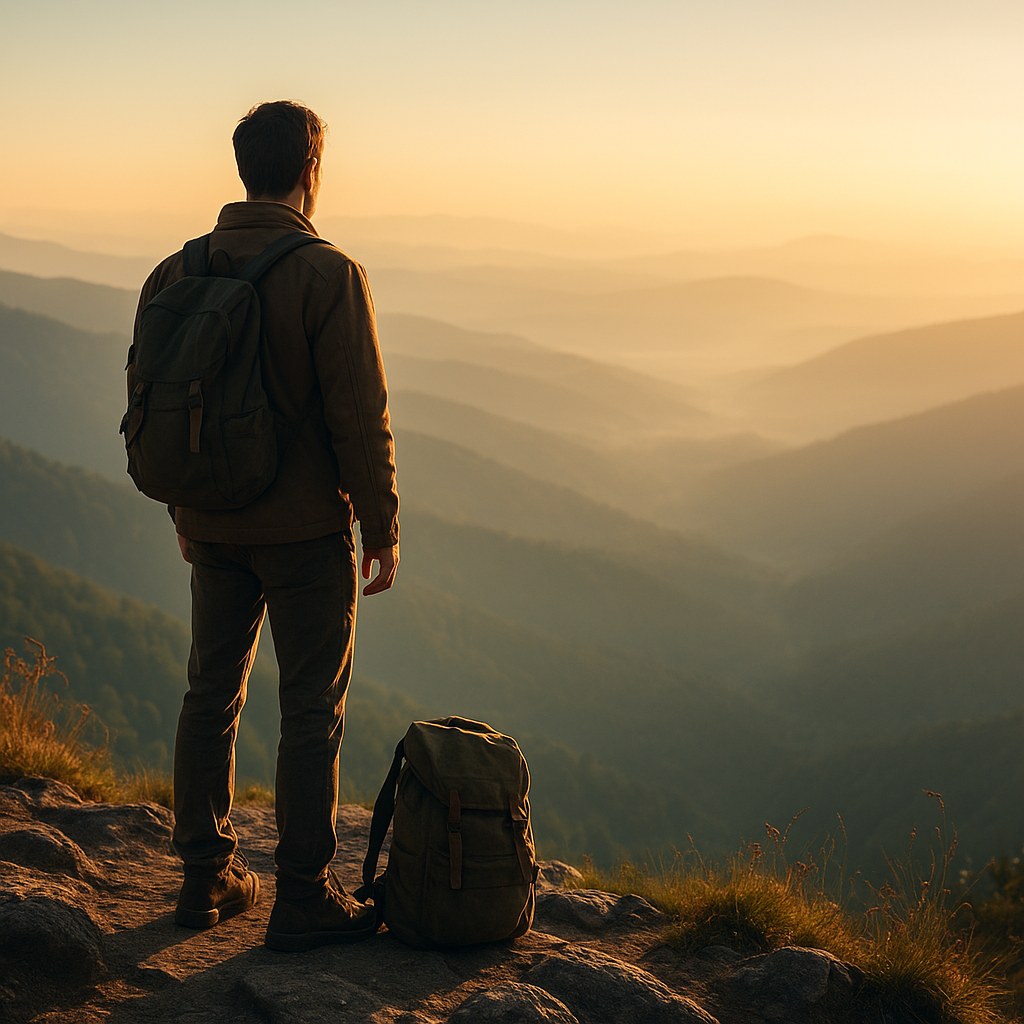
There’s a moment every solo traveler knows well. You’re standing in an unfamiliar train station, or sitting alone at a café table in a city where you don’t speak the language, and something shifts. The initial nervousness gives way to a strange, quiet confidence. You realize you’re doing it — actually doing it — entirely on your own.
That shift isn’t just a feeling. Psychologists and researchers have increasingly turned their attention to what happens in the brain when we travel alone, and the findings are compelling. Solo travel doesn’t just change your itinerary. It changes how you think, how you cope, and how you see yourself long after you’ve returned home.
Whether you’re considering your first solo trip or you’ve already logged thousands of miles alone, understanding the psychological benefits of solo travel can help you get more out of every journey. Here’s what the research — and the lived experience of countless travelers — reveals.
Why Traveling Alone Hits Different Psychologically
Group travel is comfortable. Decisions get shared, awkward moments get diffused, and there’s always someone to split the mental load with. Solo travel strips all of that away — and that’s precisely where its psychological power comes from.
When you travel alone, your brain can’t outsource anything. Every decision, from navigating a metro system to choosing where to eat dinner, lands on you. Psychologists call this agency — the sense that you are the author of your own actions — and it’s one of the strongest predictors of life satisfaction and self-esteem.
A 2021 survey by Booking.com found that interest in solo travel had surged dramatically, with a significant portion of travelers saying they wanted to travel alone specifically to reconnect with themselves after periods of stress and isolation. That instinct is backed by science: novel, self-directed experiences are known to stimulate neuroplasticity, the brain’s ability to form new connections and adapt.
The Core Psychological Benefits of Solo Travel
1. It Builds Genuine, Earned Self-Confidence
There’s a difference between confidence that’s given and confidence that’s earned. Compliments from friends feel good, but they fade. Successfully navigating a foreign bus system at midnight, resolving a booking mix-up in broken Spanish, or simply eating alone at a restaurant without flinching — those experiences create a kind of confidence that sticks.
Psychologist Albert Bandura’s research on self-efficacy showed that mastery experiences — actually doing hard things — are the most powerful way to build belief in your own abilities. Solo travel is essentially a concentrated series of mastery experiences, delivered daily.
2. It Forces You Out of Your Comfort Zone (in the Best Way)
Comfort zones aren’t inherently bad, but psychologists have long noted that growth happens at their edges. Solo travel pushes you there constantly, but in manageable doses. You choose when to challenge yourself — striking up a conversation with a stranger, trying an unfamiliar dish, wandering a neighborhood without a map.
This concept, sometimes called “optimal anxiety,” describes the sweet spot just outside your comfort zone where learning and personal development accelerate. Because solo travel lets you control the dial, you can stretch yourself without tipping into genuine distress.
3. It Sharpens Self-Awareness
When you travel with others, your attention is constantly pulled outward — toward conversation, compromise, and coordination. Alone, your attention turns inward. You notice what actually excites you versus what you do out of obligation. You discover whether you genuinely love museums or just tolerated them for your travel companions.

This kind of self-discovery is one of the most commonly reported benefits among solo travelers. Without anyone else’s preferences shaping your days, you get an unfiltered look at your own. Many people return from solo trips with surprising clarity about career changes, relationships, and priorities — not because travel magically provides answers, but because it finally provides quiet.
4. It Reduces Stress and Supports Mental Health
Does solo travel help with anxiety and stress? For many people, yes — though the relationship is nuanced. Research published in the International Journal of Environmental Research and Public Health has linked leisure travel to reduced cortisol levels, improved mood, and lower perceived stress.
Solo travel adds another layer: the removal of social friction. No negotiating over plans, no managing group dynamics, no performing for anyone. For introverts especially, this freedom from social labor can be deeply restorative. A widely cited study from the University of Surrey found that solo travelers frequently described their trips as opportunities for mental reset and emotional healing.
That said, solo travel isn’t a cure-all, and it’s not a substitute for professional mental health care. If you’re dealing with clinical anxiety or depression, travel can complement treatment — but it shouldn’t replace it.
5. It Makes You More Resilient
Things go wrong when you travel. Trains get missed. Weather ruins plans. You get lost. When you’re alone, there’s no one to absorb the frustration for you — you have to process it, adapt, and move on.
This is resilience training in real time. Psychologists define resilience as the ability to recover from setbacks, and like a muscle, it strengthens with use. Solo travelers often report that the small crises they handled abroad made everyday problems back home feel far more manageable. Missed a flight connection in Istanbul? A delayed project at work suddenly doesn’t seem so catastrophic.
6. It Paradoxically Improves Your Social Skills
Here’s a counterintuitive finding: traveling alone often makes you more social, not less. Without a companion to retreat into, you’re far more likely to talk to locals, join group tours, or chat with other travelers at hostels and cafés.
Research on solo travelers consistently shows they report more meaningful interactions with strangers than those traveling in groups. You also get to practice social skills on your own terms — engaging when you want connection and enjoying solitude when you don’t. That balance teaches you something valuable: that being alone and being lonely are not the same thing.
Is Solo Travel Lonely? The Honest Answer
This is one of the most common questions people ask, and it deserves a straight answer: sometimes, yes. There will be moments — a stunning sunset you wish you could share, a meal that feels a little too quiet — when loneliness creeps in.
But here’s what experienced solo travelers learn: those moments pass, and they teach you something. Sitting with occasional loneliness, rather than fleeing from it, builds emotional tolerance. You learn that solitude can be chosen and enjoyed, and that your own company is genuinely enough. Many psychologists consider this one of the most underrated emotional skills a person can develop.
Practical strategies help too:
- Stay in social accommodation like hostels or guesthouses with common areas, even if you book a private room
- Join walking tours or classes — cooking classes and day tours are natural low-pressure ways to meet people
- Schedule check-ins with friends or family back home to stay grounded
- Embrace the quiet moments with journaling, photography, or simply people-watching
Who Benefits Most From Traveling Alone?
The short answer: almost anyone willing to try it. But certain people tend to report especially strong psychological benefits:
- People in life transitions — after a breakup, job change, or graduation, solo travel provides space to process and redefine identity
- Introverts — the freedom from constant social performance is genuinely restorative
- Chronic people-pleasers — making every decision based solely on your own preferences can be revelatory
- Anyone feeling stuck — novel environments disrupt rumination and spark fresh perspective, a phenomenon researchers link to increased cognitive flexibility
How to Maximize the Psychological Benefits of Your First Solo Trip
If you’re new to solo travel, a few intentional choices can amplify the mental health payoff:
Start Smaller Than You Think You Need To
A weekend in a nearby city counts. The psychological mechanisms — agency, mastery, self-discovery — activate whether you’re two hours from home or twelve time zones away. Build confidence incrementally.
Build in Unstructured Time
Over-planning kills the spontaneity where self-discovery happens. Leave at least one day completely open. Wandering without an agenda is where many travelers report their most meaningful moments.
Keep a Journal
Writing about your experiences consolidates the psychological gains. Reflective journaling is linked to improved emotional processing and self-awareness — and it turns fleeting insights into lasting change.
Choose Discomfort on Purpose
Once per trip, do one thing that scares you a little: eat alone at a nice restaurant, take a class where you know no one, navigate somewhere without your phone. These micro-challenges are where the confidence-building magic lives.
The Bottom Line
The psychological benefits of solo travel aren’t mystical — they’re the predictable result of what happens when you remove your usual support structures and discover you function just fine anyway. You build confidence through earned mastery. You develop resilience by handling setbacks alone. You gain self-awareness in the quiet spaces that group travel never leaves room for. And you learn, perhaps most importantly, that your own company is something to enjoy rather than escape.
Solo travel won’t fix everything, and it isn’t always easy. But few experiences pack so much psychological growth into such a memorable package. The person who boards the plane home is rarely quite the same as the one who left — and that, more than any souvenir, is the real takeaway.