
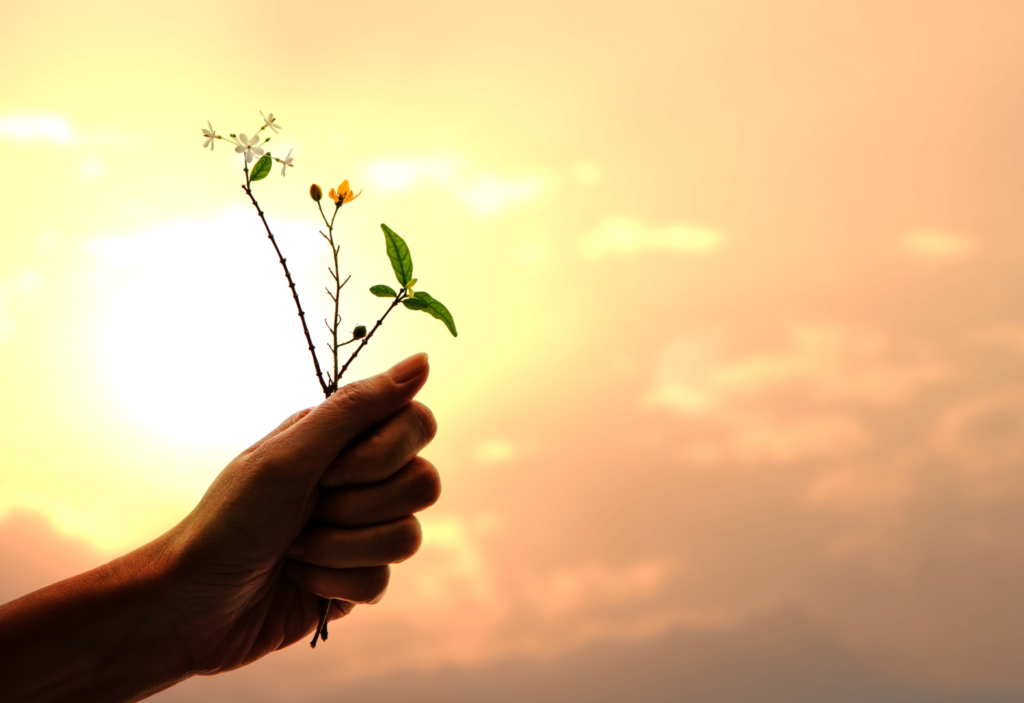
How to Practice Gratitude Daily: Cultivating a Positive Mindset
In a world filled with challenges and uncertainties, cultivating a positive mindset is like nourishing your soul. One of the most effective ways to achieve this is by practicing gratitude daily. By incorporating gratitude into your routine, you can unlock a multitude of benefits for your mental and emotional well-being. This article will guide you through the process of how to practice gratitude daily, offering practical insights and valuable advice to help you embark on a journey towards a more positive and fulfilling life. How to Practice Gratitude Daily: Cultivating a Positive Mindset Practicing gratitude isn’t just about saying “thank you.” It’s a transformative mindset that involves acknowledging and appreciating the positives in your life, whether big or small. By doing so, you can rewire your brain to focus on the good, which can lead to increased happiness, reduced stress, and improved overall mental health. Start Your Day with Gratitude Begin each morning with a moment of gratitude. Reflect on the things you’re thankful for, such as the new day ahead, your loved ones, or your health. This sets a positive tone for the rest of the day and helps you approach challenges with a more optimistic outlook. Keep a Gratitude Journal Maintain a gratitude journal to document the things you’re grateful for. Set aside a few minutes each day to jot down your thoughts. This practice encourages mindfulness and helps you become more attuned to the positive aspects of your life. Practice Mindful Appreciation Take time to appreciate the small moments throughout your day. Whether it’s savoring your morning coffee, enjoying a beautiful sunset, or relishing a heartwarming conversation, these moments are opportunities for gratitude. Express Your Thanks Don’t hesitate to express gratitude to others. A simple “thank you” can brighten someone’s day and strengthen your connections. Whether it’s a friend, family member, or colleague, your words of appreciation can create a ripple effect of positivity. Embrace Challenges as Opportunities Shift your perspective on challenges. Instead of dwelling on the negative aspects, focus on the lessons and growth they offer. This reframing can help you find gratitude even in difficult situations. Practice Gratitude Meditation Incorporate gratitude into your meditation practice. During your meditation sessions, reflect on the things you’re thankful for. This mindfulness exercise can promote inner peace and a sense of contentment. Surround Yourself with Positivity Surround yourself with people and environments that radiate positivity. Choose relationships and activities that align with your gratitude-focused mindset, uplifting your spirits and reinforcing your daily practice. Set Reminders Incorporate gratitude reminders into your routine. Set alarms or use sticky notes to prompt moments of reflection throughout the day. Over time, this can become a habit that significantly impacts your overall outlook. Foster a Giving Spirit Give back to your community or contribute to causes you care about. Acts of kindness and service not only benefit others but also fill your heart with a deep sense of gratitude and purpose. Reflect on Challenges Overcome Look back on challenges you’ve successfully overcome. Recognize your strength and resilience, and appreciate how these experiences have shaped you into the person you are today. Find Joy in the Ordinary Practice finding joy in everyday activities. Whether it’s cooking a meal, reading a book, or going for a walk, approach these activities with mindfulness and gratitude. Practice Gratitude with Loved Ones Involve your loved ones in your gratitude journey. Share your daily reflections with them, and encourage them to practice gratitude as well. This can strengthen your relationships and create a supportive network. Benefits of Practicing Gratitude Improved Mental Health Practicing gratitude has been linked to reduced symptoms of depression and anxiety. By focusing on the positives, you can enhance your overall mental well-being. Enhanced Relationships Expressing gratitude strengthens your connections with others. It fosters empathy, kindness, and a sense of mutual appreciation, leading to healthier and more fulfilling relationships. Increased Resilience A gratitude mindset helps you build resilience in the face of challenges. It encourages you to find silver linings, adapt to change, and approach difficulties with a more positive attitude. Better Sleep Quality Engaging in gratitude practices before bedtime can improve sleep quality. By focusing on positive aspects, you can reduce rumination and anxious thoughts that might disrupt your sleep. Heightened Self-Care Gratitude promotes self-care and self-love. When you appreciate yourself and your efforts, you’re more likely to engage in activities that nourish your body, mind, and soul. Stress Reduction Regularly practicing gratitude can lower stress levels. It shifts your focus from what’s lacking to what you have, reducing feelings of inadequacy and worry. Incorporating gratitude into your daily life is a powerful tool for cultivating a positive mindset and enhancing your overall well-being. By focusing on the positives, expressing appreciation, and embracing challenges with an open heart, you can lead a happier, more fulfilling life. So, why not start your gratitude journey today and witness the transformative impact it can have on your mindset and outlook? FAQs Q: How does gratitude affect the brain? A: Gratitude stimulates the brain’s reward system, releasing dopamine and promoting feelings of happiness and contentment. Q: Can gratitude practices improve physical health? A: Yes, studies suggest that gratitude practices may lead to lower blood pressure, improved immune function, and overall better physical health. Q: Is it necessary to write down things I’m grateful for? A: While writing down gratitude in a journal is effective, simply acknowledging and verbalizing your appreciation also offers benefits. Q: Can gratitude help with stress management? A: Absolutely. Gratitude reduces cortisol levels, the stress hormone, leading to a calmer and more relaxed state of mind. Q: Can children benefit from practicing gratitude? A: Yes, teaching children gratitude can enhance their emotional intelligence, empathy, and overall well-being. Q: How long does it take to see the effects of practicing gratitude? A: Some individuals experience immediate shifts in mood, while for others, it might take a few weeks of consistent practice to notice significant changes.
How to Practice Gratitude Daily: Cultivating a Positive Mindset Read More »