
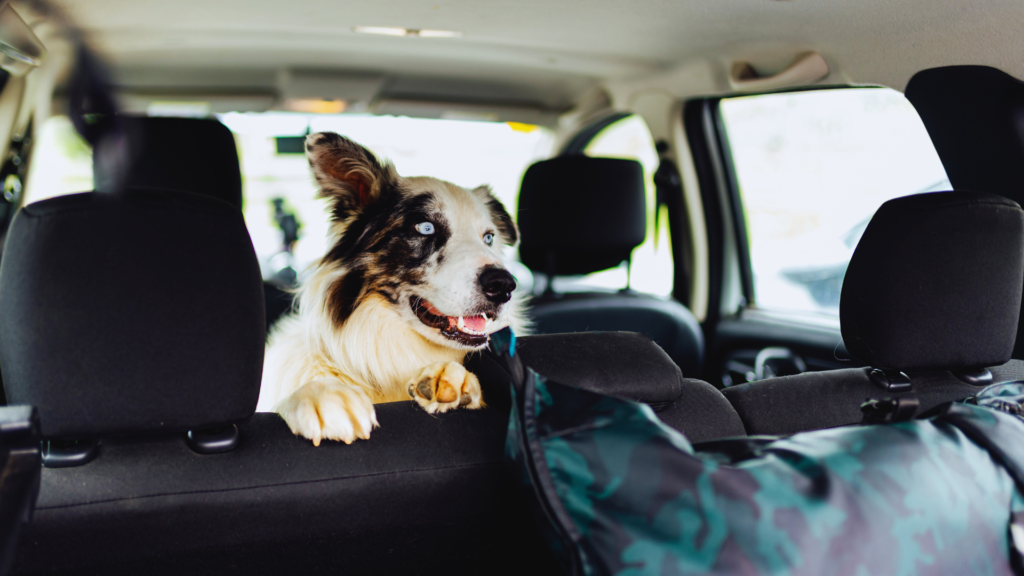
Traveling with pets can be a rewarding experience, allowing owners to share adventures with their furry companions. Planning ahead with the right tools and strategies can make the journey smoother for everyone. Whether it’s a road trip or air travel, understanding how to prepare for your pet’s needs is essential.
Before embarking on a trip, it’s crucial to consider your pet’s temperament and behavior in unfamiliar environments. Ensuring that pets are comfortable and secure during travel can lead to a more enjoyable experience. Familiarizing them with their carriers and providing the necessary supplies, such as food, water, and medications, are key steps to take.
Additionally, knowing the rules and regulations of your destination regarding pets is important. Many places have restrictions that can impact travel plans. By being informed, pet owners can avoid unexpected challenges and ensure a pleasant journey for everyone involved.

Preparing for Your Trip
Preparing for a trip with a pet involves careful consideration of both travel equipment and health precautions. Choosing the appropriate carrier or crate is essential for comfort and safety. Health checks and vaccinations ensure the pet is fit for travel.
Choosing the Right Pet Carrier or Dog Crate
Selecting the right pet carrier or dog crate is crucial for travel comfort. Carriers should be well-ventilated and spacious enough for the pet to stand, turn around, and lie down. It’s important to consider the mode of transportation, as different airlines and transport services have specific size regulations.
Key factors to keep in mind:
- Material: Look for durable materials that can withstand travel.
- Safety Features: Ensure the carrier has secure latches to prevent escape.
- Familiarity: Introduce the carrier at home to acclimate the pet before the trip.
A well-chosen carrier can reduce anxiety and make the journey more pleasant for both the pet and the owner.
Ensuring Your Pet’s Health and Safety
Health is a top priority when traveling with pets. A visit to the veterinarian before the trip is essential. This ensures the pet is healthy enough for travel and up-to-date on vaccinations, particularly the rabies vaccination, which may be required for travel in certain areas.
Packing a pet first-aid kit is also recommended. This kit should include:
- Bandages and gauze
- Antiseptic wipes
- Medications the pet may require
- Emergency contact numbers for a vet
Furthermore, pet owners should familiarize themselves with the nearest veterinary services at their destination. This is especially important for pets with chronic conditions, such as arthritis, where quick access to specialized care can make a big difference. Knowing about the available treatment for dog arthritis options at your destination can help you manage your pet’s comfort and mobility even while on the road.
Long car rides or flights can be very hard on a dog with joint issues. The stiffness and discomfort that come with arthritis can flare up after hours of sitting still in a crate or car seat. Because of this, many owners look into a long-lasting canine osteoarthritis treatment before they plan a major trip. Some modern veterinary therapies use targeted agents to reduce joint inflammation directly at the source. This type of care is often a simple outpatient procedure that keeps dogs comfortable for up to a year. Having this peace of mind makes traveling much easier for both you and your pet.
Being proactive about health and safety helps ensure a smooth travel experience.
Accommodations and Logistics
Traveling with pets creates unique challenges, especially regarding accommodations and regulations concerning service animals. Planning ahead ensures a smooth travel experience.
Finding Pet-Friendly Accommodations
When searching for suitable places to stay, it’s essential to identify pet-friendly accommodations. These can range from hotels to vacation rentals. Websites like PetFriendly, BringFido, and Airbnb allow filtering for properties that welcome pets.
Some key considerations include:
- Size and breed restrictions: Confirm if there are limits on the size or breed of pets allowed.
- Fees and deposits: Many establishments charge extra fees for pets. These can vary significantly based on the accommodation.
- Pet amenities: Some hotels offer special services, such as dog walking or pet sitting.
It’s advisable to book in advance, especially during peak travel seasons, to avoid any last-minute surprises.
Understanding Service Animal Regulations
Service animals are crucial for many travelers. According to the ADA, only dogs qualify as service animals, trained to perform tasks for individuals with disabilities.
Key points about service animals include:
- Public access rights: Service animals are typically allowed in all public areas where their owner can go.
- Documentation: While no certification is required under the ADA, some places may ask for proof of the animal’s training or need.
- Emotional support animals (ESAs): These do not carry the same legal rights as service animals and may face more restrictions when traveling.
Travelers should familiarize themselves with the specific regulations of their destination to avoid complications.
On the Move
Traveling with a pet requires careful planning, whether on the road or in the air. Various considerations ensure safety and comfort while on the move.
Road Tripping with Your Pet
When embarking on a road trip with a pet, ensuring proper preparation is essential. First, pack necessary supplies such as food, water, collars, and leashes. A comfortable pet seat cover or a carrier can provide safety and cleanliness.
Frequent stops are crucial. This allows pets to stretch, relieve themselves, and hydrate. Keeping their favorite toys or blankets nearby can ease anxiety during travel. Ensure the vehicle is well-ventilated and avoid leaving pets unattended inside it.
Safety tips include:
- Use a pet seatbelt or carrier.
- Keep windows partially open for fresh air.
- Avoid feeding pets a large meal right before traveling.
Flying with Pets
Flying with pets involves additional regulations and preparations. It is important to check airline policies concerning pet travel. Some airlines allow pets in the cabin, while others require them to be transported in cargo.
Before flying, consult a veterinarian to discuss whether the pet is fit for travel. Obtain a health certificate if required by the airline. Familiarize pets with their carriers in advance to reduce stress.
The packing list for flying includes the following:
- Food and water bowls
- Favorite blanket or toy
- A small supply of food and medications
Arriving at the airport early allows time for check-in and security. During the flight, keep an eye on the pet’s behavior and ensure they remain calm and comfortable.