
Stretching is an essential component of physical fitness that contributes significantly to flexibility and range of motion. Incorporating a regular stretching routine can lead to improved flexibility, reduced risk of injury, and enhanced athletic performance. Many individuals underestimate the importance of stretching, often focusing solely on strength and cardio exercises.
Understanding different types of stretching, such as dynamic and static, can help individuals tailor their routines to personal needs and capabilities. For those looking to maintain or improve their overall physical health, knowing when and how to stretch can make a noticeable difference in their mobility and daily activities.
By prioritizing stretching, individuals can unlock the full potential of their bodies, making it easier to perform everyday tasks and engage in physical activities without discomfort. Whether a novice or an experienced athlete, the benefits of stretching are accessible to everyone.
The Fundamentals of Stretching
Understanding the basics of stretching is essential for enhancing flexibility and preventing injuries. This section outlines the different types of stretches as well as effective techniques to incorporate them into a routine.
Types of Stretches
There are primarily two main types of stretches: dynamic and static.
- Dynamic Stretches: These involve movement and are typically performed before physical activities. Examples include arm circles and leg swings. Dynamic stretching helps to warm up the body, improve blood flow, and prepare muscles for exertion.
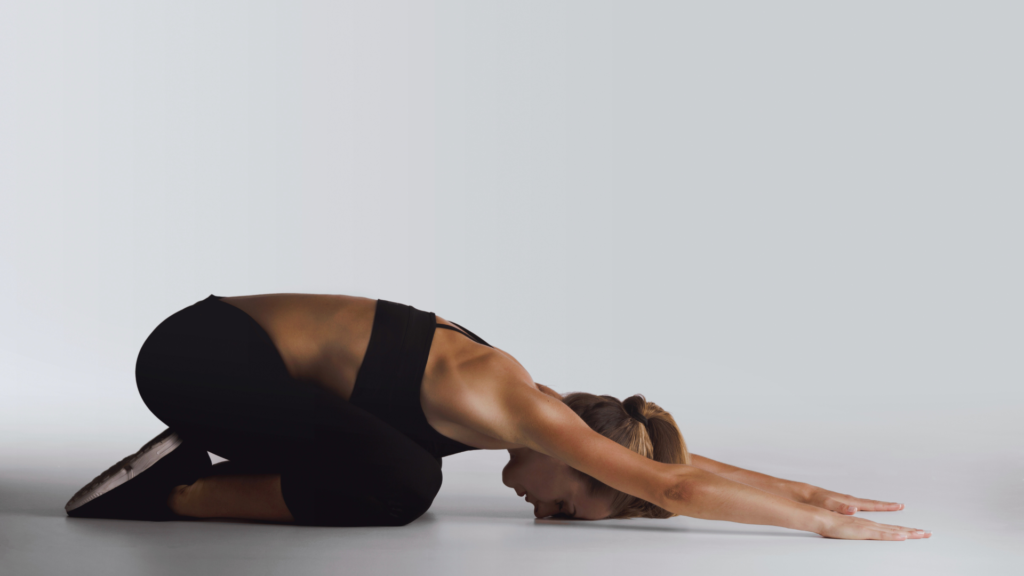
- Static Stretches: This type is performed by holding a position for a specific duration. An example is the quadriceps stretch, where one holds the ankle to stretch the front thigh. The child’s pose is another static stretch that targets the back and hips. This method helps to increase flexibility and is best done after workouts.
Stretching Techniques
Incorporating stretching into a routine requires a proper technique for effectiveness and safety.
- Warm-Up: Always initiate with a general warm-up to increase heart rate and blood circulation.
- Focus on Major Muscle Groups: Target key areas such as the legs, back, and shoulders.
- Hold Static Stretches: For static stretches, it is advisable to hold each position for 15-30 seconds, allowing muscles to relax and elongate.
- Breathing: Maintain consistent breathing during stretches. Inhale deeply and exhale as the stretch is held.
- Avoid Bouncing: Static stretches should be performed slowly to avoid injury.
Regularly practicing these techniques can enhance a stretching routine, promoting better flexibility and overall well-being.
Stretching for Different Body Parts
Targeted stretching can enhance mobility and flexibility in various body areas. Focusing on specific muscles and joints improves performance and reduces the risk of injury. Each section highlights key stretches for different body parts.
Upper Body Stretches
Upper body stretches primarily target the shoulders, chest, and back. These areas often become tight due to prolonged sitting or repetitive movements.
- Shoulder Stretch: Reach one arm across the body and hold it with the opposite hand. This stretches the shoulder and upper back.
- Chest Stretch: Stand in a doorway, place arms on the frame, and lean forward. This effectively opens up the chest and shoulders.
- Back Stretch: While standing, interlace fingers and extend arms overhead. Lean slightly to each side to stretch the latissimus dorsi and improve overall posture.
Lower Body Stretches
Lower body stretches frequently focus on the hips, hamstrings, and glutes. These muscles are essential for mobility, balance, and stability.
- Hip Flexor Stretch: Kneel on one knee and push the hips forward. This stretch alleviates tension in the hips.
- Hamstring Stretch: Sit on the floor with legs extended, reaching towards the toes. This not only stretches the hamstrings but also promotes flexibility in the lower back.
- Glute Stretch: Lie on the back, cross one ankle over the opposite knee, and pull the thigh toward the chest. This targets the glutes and helps ease lower back discomfort.
Core and Back Stretches
Core and back stretches enhance spinal mobility and posture alignment. These stretches are vital for maintaining a strong and flexible midsection.
- Cat-Cow Stretch: Start on all fours, arch the back upwards (cat), then lower the belly, lifting the head (cow). This promotes flexibility in the spine.
- Seated Twist: Sit with one leg extended and the other bent, twist the torso towards the bent knee. This stretch engages the entire core and improves spinal flexibility.
- Child’s Pose: Kneel and sit back on the heels while extending your arms forward. This pose stretches the lower back and relaxes tension, offering a gentle stretch for the entire back area.
Incorporating these stretches into a routine can provide significant benefits to mobility and flexibility across the body.
Incorporating Stretching into Your Routine
Integrating stretching into a daily routine can enhance muscle recovery, improve circulation, and aid in injury prevention. Focusing on both warm-ups and cool-downs is essential for achieving optimal benefits from stretching.
Warm-Up and Cool-Down
A warm-up routine is crucial before any physical activity to prepare the muscles and increase blood flow. Dynamic stretches such as walking lunges, high knees, and hip circles effectively activate the body’s muscles. These movements promote flexibility and reduce the risk of injuries by gradually raising the heart rate and increasing circulation.
After workouts, a proper cool-down helps muscles recover and return to their resting state. Incorporating static stretches during this phase can improve flexibility and decrease muscle soreness. Holding stretches for 15 to 30 seconds allows for controlled movements that promote relaxation and improve blood flow to fatigued muscles.
Creating a Daily Stretching Habit
Establishing a daily stretching routine requires consistency and dedication. Setting specific times for stretching, such as in the morning or after workouts, can reinforce the habit. Keeping a stretching journal may help track progress and motivate individuals to stick with their routines.
Including a variety of stretches targeting different muscle groups ensures overall body flexibility. Simple techniques like deep breathing during stretches can help with muscle relaxation and enhance effectiveness. Scheduling 10-15 minutes daily for stretching can yield significant benefits over time, aiding in recovery and increasing overall mobility.
In addition to regular stretching, it’s also great to incorporate a Sports Massage every now and then. This type of massage is designed to target deeper muscle layers and can release tension and improve blood circulation. What’s more, sports massages can complement stretching routines, as the therapist manipulates the body in specific ways that are difficult to achieve on own.
Advanced Stretching and Performance
Advanced stretching techniques are essential for enhancing flexibility, promoting muscle elongation, and improving overall athletic performance. Practices such as yoga and dynamic stretching specifically target areas of tightness, support spinal mobility, and help maintain proper joint alignment. To further enhance these benefits, incorporating a structured posture-focused approach, like the one offered at https://bestforwardheadposturefix.com/, can help strengthen weak muscles, release tension in the neck and upper back, and reinforce optimal movement patterns. Moreover, by combining advanced stretching with targeted postural exercises, individuals can achieve a greater range of motion, reduce the risk of injury, and improve overall functional performance.
Yoga and Pilates for Flexibility
Yoga and Pilates are effective methods for increasing flexibility and enhancing body awareness. Both practices emphasize alignment, promoting balance and stability through controlled movements.
Key benefits include:
- Improved Posture: Strengthens core muscles while helping to align the spine.
- Muscle Elongation: Increases the range of motion in muscles, reducing tightness.
- Stress Relief: Engages the mind and body, encouraging relaxation and reducing tension.
Specific poses in yoga, such as Downward Dog and Pigeon Pose, target various muscle groups to effectively stretch and lengthen them. Pilates focuses on precise movements that promote joint mobility and core strength, making it complementary to yoga for athletes.
Athletic Stretching Techniques
Dynamic stretching is essential for athletes as it prepares the body for physical activity. This method involves movements that mimic sport-specific actions, enhancing muscle readiness and coordination.
Examples of effective dynamic stretches include:
- Leg Swings: Improves hip flexibility and increases blood flow.
- Walking Lunges: Activates the lower body while enhancing balance.
- Arm Circles: Prepares the shoulders and upper body for movement.
Static stretching, though beneficial post-activity, is best used to address muscle soreness and tightness. Focus on holding stretches for 15-30 seconds to effectively engage stretch receptors, enhancing overall flexibility. Integrating these techniques not only aids in performance but also reduces the risk of injuries.