
Author name: Thato

Tips for Traveling with a Dog: Essential Advice for a Smooth Journey

Traveling with a dog can be a rewarding experience, but it requires careful planning. To ensure a smooth journey, pet owners should prioritize their dog’s comfort and safety while being prepared for unexpected challenges. From selecting pet-friendly accommodations to packing essential supplies, every detail can enhance the travel experience. Preparation plays a crucial role in traveling with a dog. Researching routes with plenty of rest stops, ensuring vaccinations are up to date, and considering the dog’s temperament are essential steps. Having a checklist helps pet owners remember everything needed for their furry companion. Creating a positive travel environment can significantly affect a dog’s behavior on the road. Bringing familiar items such as toys or bedding can help ease anxiety. Ensuring regular breaks for exercise and bathroom needs will keep dogs happy and healthy during the trip. Preparing Your Dog for Travel Traveling with a dog requires careful preparation to ensure a safe and comfortable journey. Key aspects include selecting the right pet carrier and ensuring proper identification for your dog. Choosing the Right Pet Carrier Selecting an appropriate pet carrier is crucial for a successful trip. The carrier must be well-ventilated, spacious, and secure. It should allow the dog to stand, turn around, and lie down comfortably. Types of carriers: Travel crates: Ideal for longer trips, these are sturdy and often used for air travel. Soft-sided carriers: Suitable for road trips, they are lightweight and easier to stow. Before traveling, let the dog familiarize itself with the carrier. Allot time for the dog to explore it at home. Positive reinforcement, like treats, can help ease any anxiety. Identification and Microchip Information Proper identification is essential when traveling with a dog. A sturdy collar with an ID tag that includes the owner’s contact information is a must. Ensure that the collar fits well and is secure. Microchipping provides additional security. A microchip is a small device implanted under the skin that contains unique identification information. This can be invaluable if the dog gets lost during travel. Before departure, verify that the microchip is registered with current contact details. Regularly check the ID tag and update as necessary to avoid any potential issues while traveling. Accommodations and Destinations Choosing the right accommodations and destinations is crucial for a successful trip with a dog. Considerations include selecting dog-friendly hotels and locating nearby dog parks. Selecting Dog-Friendly Hotels When booking a hotel, it’s important to confirm their pet policies. Many hotels now offer pet-friendly options, but these can vary widely. Look for accommodations that provide amenities like: Pet beds Bowls for food and water Designated dog areas Some hotels may charge additional fees or have weight restrictions, so reviewing the fine print is essential. Online travel sites often include filters for dog-friendly options, simplifying the search process significantly. Booking in advance can help secure the best choices. Calling the hotel directly allows for discussion of specific needs, ensuring a comfortable stay for both the traveler and their dog. Locating Nearby Dog Parks and Spaces Researching local dog parks in advance can enhance the travel experience. Many cities feature well-maintained areas where dogs can play off-leash. Helpful tips include: Checking online resources or dog-specific apps for park locations. Reading reviews on amenities such as water fountains and agility equipment. Many parks also host events, allowing dogs to socialize. Ensuring these spaces are conveniently located near the accommodations can maximize free time for exercise and play. Creating a list of preferred parks along the travel route can streamline stops and keep the trip enjoyable. Transportation Considerations Traveling with a dog requires careful planning, especially regarding transportation. Understanding airline pet policies is crucial for a smooth experience. Understanding Airline Pet Policies Airlines have distinct policies concerning pet travel, which vary by carrier. Most airlines allow dogs to travel in the cabin or as cargo, depending on their size and breed. Key points to consider: Size Restrictions: Typically, dogs must fit in a carrier under the seat in front. This usually applies to pets weighing up to 15-20 pounds. Carrier Specifications: Travel crates must meet specific dimensions and ventilation requirements. Each airline lists approved carriers on its website. Documentation: Airlines often require health certificates, rabies vaccination records, and sometimes, advanced reservations for pet travel. Passengers should carefully review the airline’s pet policy beforehand to avoid unexpected fees or denied boarding. Packing for Your Dog When preparing to travel with a dog, having the right items is essential for a smooth experience. Food and Water Pack enough dog food for the entire trip, plus extra. Bring a portable water bowl and ensure access to clean water. Comfort Items Include your dog’s favorite blanket or bed to provide familiarity. A toy can help keep them entertained during travel. Health and Safety Carry a copy of your dog’s vaccination records. Have a first-aid kit with basic supplies such as bandages and antiseptic. Grooming Supplies Bring a brush for shedding and a comb to keep the coat tidy. Don’t forget waste bags for clean-ups on the go. Travel Essentials Include a sturdy collar with an ID tag and a leash. Consider a travel crate or harness for safe transport. Dog Treats Pack enough treats to reward good behavior. Choose healthy options that are easy to transport. Organizing these items in a dedicated bag can simplify the packing process. This ensures that everything needed for a dog is readily accessible during travel. A well-prepared dog owner promotes a comfortable and enjoyable journey.

Tips for Traveling with a Dog: Essential Advice for a Smooth Journey Read More »

Tips for Traveling on a Budget: Achieve More for Less

Traveling on a budget can seem daunting, but with the right strategies, it becomes achievable for anyone. By making informed choices, travelers can enjoy incredible experiences without breaking the bank. Utilizing budget travel tips helps individuals maximize their adventures while minimizing costs, enabling them to save money on transportation, accommodations, and activities. A few smart strategies can make all the difference. Booking flights and accommodations well in advance often leads to significant savings. Additionally, exploring off-peak seasons can offer lower prices and fewer crowds, enhancing the overall travel experience. Understanding how to prioritize spending is crucial. Focusing on free or low-cost attractions, using public transportation, and taking advantage of local deals are effective ways to enhance a travel experience while keeping it budget-friendly. Planning and Booking Effective planning and booking strategies can greatly reduce travel costs. Identifying the right times to travel and utilizing rewards can enhance the budget experience. Travel During Off-Peak Seasons Choosing travel dates can significantly influence overall expenses. Off-peak seasons, also known as shoulder seasons, typically feature lower flight and accommodation rates. For example, traveling during early spring or late fall can minimize costs. Popular destinations often have reduced prices during these times. Additionally, flights are often less crowded. This not only improves comfort but also increases the chances of getting better seat selections and upgrades. Leverage Rewards and Travel Points Travel rewards programs can help travelers save substantially. Many credit cards offer points for purchases that can be redeemed for flights and accommodations. Selecting a travel credit card with strong rewards can amplify savings. Frequent travelers should focus on cards that provide bonus points for travel-related expenditures. It’s essential to consolidate points across cards or programs for maximum benefits. Regularly checking bonus opportunities or limited-time offers can yield extra rewards. Book in Advance Booking flights and accommodations early can lead to considerable savings. Aim to secure reservations at least 3 to 4 months in advance for the best rates. Airlines and hotels often provide early-bird discounts. Setting fare alerts can assist in finding price drops on flights. Flexibility in travel dates can also enhance savings. Using fare comparison tools can reveal significant price variations for specific travel dates. In addition to flights, booking accommodations early often leads to a wider selection of affordable options. Accommodation Options Finding budget-friendly accommodations can significantly lower travel costs. Options such as alternative accommodations, hostels, and vacation rentals can provide comfort without breaking the bank. Alternative and Free Accommodation Travelers looking to cut costs can explore several alternative accommodation options. Couchsurfing connects guests with locals willing to offer a free place to stay. This arrangement often includes cultural exchange and can enrich the travel experience. House sitting is another viable option, allowing guests to stay in someone’s home while caring for pets or maintaining the property. Websites like TrustedHousesitters connect homeowners with sitters, making this an attractive choice. Lastly, camping can be an adventurous and affordable option. Many national parks offer low-cost campsites, enabling travelers to immerse themselves in nature. Stay in Hostels and Guest Houses Hostels are popular among budget travelers for good reasons. They typically offer shared dormitory-style rooms with affordable rates, often starting at $10-$30 per night. Many hostels provide communal kitchens, allowing guests to prepare their meals. This helps in saving on dining costs. Guest houses present a slightly more private alternative. They may offer private rooms at reasonable prices and a more intimate atmosphere. It’s common to find local guest houses on platforms like Airbnb, providing a blend of comfort and affordability. Consider Vacation Rentals and Short-Term Apartments Vacation rentals can be a cost-effective solution for groups or families traveling together. Websites like Airbnb and Vrbo offer entire apartments or homes, often at a lower rate per person compared to hotel rooms. Short-term apartments frequently come equipped with kitchens, enabling guests to cook and save on meals. Travelers should compare options carefully, checking reviews and fees to avoid surprises. Taking advantage of locations outside tourist hotspots can lead to better deals and a more authentic experience. Many apartments offer the feeling of being a local, enhancing the journey without significantly impacting the budget. Transportation and Getting Around Traveling on a budget requires smart choices regarding transportation. Utilizing public transport, embracing walking or cycling, and exploring various transport options can significantly cut costs while enhancing the travel experience. Utilize Public Transportation Public transportation offers an efficient and cost-effective way to navigate new destinations. Many cities provide buses, trams, and trains at reasonable fares. Travelers can often purchase multi-day passes for unlimited rides, which can yield even greater savings. Local apps frequently provide schedules and real-time updates, making it easier to plan journeys. Tip: Research routes and timetables in advance to minimize wait times. In some places, discounts may be available for students, seniors, or groups, so it is advisable to inquire. Opt for Walking or Cycling Walking and cycling are excellent methods for exploring destinations closely. They not only save money but also provide unique insights into local life. Many cities have pedestrian-friendly areas with attractions, markets, and restaurants within walking distance. Travelers can enjoy the sights and sounds at their own pace. Renting a bicycle can be an economical choice as well. Look for local rental shops or bike-sharing programs for affordable rates. Tip: Always wear a helmet and follow local cycling rules for safety. Benefit: This approach is healthy, environmentally friendly, and allows for more interaction with locals. Consider Various Transportation Options Different transportation options can save money and enhance travel experiences. Beyond public transport and cycling, exploring ride-sharing services or car rentals can be beneficial. Ride-sharing apps like Uber or Lyft provide convenience, especially when public transport isn’t readily available. Comparing prices between these services can yield budget-friendly options. Rental cars are ideal for those intending to travel to rural areas or specific attractions outside urban centers. Tip: Look for off-peak rental rates and avoid airport pickups for better deals. Taking advantage of travel deals and considering the full range of available

Tips for Traveling on a Budget: Achieve More for Less Read More »

Tips for Setting Realistic Fitness Goals for Beginners: Achieving Success Step by Step

Setting realistic fitness goals is crucial for beginners embarking on their health journeys. Creating achievable objectives fosters a positive mindset and encourages consistency, which are essential for long-term success. Many newcomers to fitness might feel overwhelmed by ambitious aims, leading to frustration and potential burnout. To navigate this landscape, beginners should focus on specific, measurable, attainable, relevant, and time-bound (SMART) goals. This approach ensures that each target aligns with their overall health aspirations while remaining within reach. By acknowledging where they currently stand and choosing a realistic path, they can make significant progress without unnecessary stress. Ultimately, establishing these fitness goals should prioritize personal well-being and enjoyment of the journey. A clear plan not only supports physical growth but also nurtures mental resilience, paving the way for lasting healthy habits. Establishing Realistic Fitness Goals Setting realistic fitness goals is crucial for beginners. The process involves creating specific, measurable, and achievable objectives that motivate them while ensuring they remain realistic. Understanding SMART Goals SMART goals are essential for clear direction. The acronym stands for: Specific: Goals should be clear and precise, such as “run 3 miles” instead of “get fit.” Measurable: There should be a way to track progress. For example, tracking weight loss or workout frequency. Achievable: Goals must challenge the individual without being unattainable. Aiming for a 5k within three months is a feasible target. Relevant: The goals should align with personal interests and long-term fitness aspirations. Time-bound: Setting deadlines encourages accountability. For instance, “I will attend three fitness classes each week for a month.” Applying the SMART framework ensures the goals are both realistic and motivating. Setting Achievable Milestones Breaking large goals into smaller milestones enhances motivation. Smaller wins provide a sense of accomplishment and can include: Completing a certain number of workouts each week. Increasing workout duration by 10% each week. Attending a specific number of classes monthly. Each milestone contributes to the larger objective. Celebrating these achievements reinforces a positive mindset and encourages consistency. Regularly reassessing goals ensures they evolve with personal progress. This approach fosters a sustainable fitness journey, helping individuals stay engaged and committed to their health. Developing Your Fitness Plan Creating a structured fitness plan sets the foundation for success. Beginners should focus on essential components such as building a routine, incorporating diverse activities, and managing workout intensity. Starting with the Basics To establish a solid fitness plan, beginners must start with realistic goals. Setting specific objectives, such as exercising three times a week, allows for measurable progress. A typical beginner workout routine may include: Cardiovascular exercises: Activities like brisk walking, cycling, or swimming. Strength training: Incorporating bodyweight exercises or light weights. Consistency is crucial. Establish a schedule and stick to it. This commitment helps in developing a habit and integrating exercise into daily life. Incorporating Variety and Consistency Incorporating different types of exercises keeps workouts engaging and effective. It prevents boredom and reduces the risk of injury. Beginners can rotate activities weekly or biweekly, which may include: Aerobic sessions: Jogging, dancing, or group fitness classes. Strength workouts: Targeting major muscle groups with resistance bands, dumbbells, or machines. Consistency remains key, as it helps the body adapt to the physical demands. Regularly trying new workouts can also enhance motivation and adherence to the fitness plan. Adjusting Workout Intensity and Duration As fitness levels improve, adjusting workout intensity and duration is necessary. Beginners should start at a comfortable level and gradually increase the challenge. A simple guide for intensity adjustments includes: Rate of Perceived Exertion (RPE): Use a scale from 1 (easy) to 10 (max effort) to gauge effort. Duration increases: Add 5-10 minutes to a workout each week as stamina improves. Monitoring progress and making necessary changes empowers individuals to remain focused and engaged in their fitness journey. Regular adjustments foster continuous improvement and a more satisfying exercise experience. Monitoring and Adjusting Your Progress Tracking progress is essential for any fitness journey. This involves measuring achievements and being open to changes when necessary. Keeping a close eye on progress helps maintain motivation and ensures that goals remain realistic. Track Your Progress To effectively monitor fitness progress, one can utilize various methods. Keeping a fitness journal is a practical approach. Recording daily exercises, durations, and personal feelings provides insight over time. Using apps or fitness trackers can offer precise data on workouts and body metrics. These tools help visualize improvements in real time. Regularly assessing progress against initial goals is crucial. Adjustments may be necessary if targets are consistently missed. This approach fosters accountability and encourages commitment to the fitness journey. Stay Flexible and Overcome Plateaus Plateaus are common in fitness. They occur when progress slows or stalls despite continued effort. A flexible mindset is vital in addressing these challenges. To overcome plateaus, changing workout routines can be effective. Incorporating different exercises or increasing intensity can reignite progress. Additionally, revisiting goals and timelines allows for necessary adjustments. This flexibility can help maintain motivation and prevent frustration. No matter the change, it’s important to focus on sustainable growth rather than quick fixes. By embracing adjustments, one can continue moving forward in their fitness journey. Supporting Your Fitness Journey Establishing a strong foundation is vital for anyone pursuing fitness. By fostering a supportive atmosphere and prioritizing nutrition and recovery, newcomers can enhance their chances for success. Creating a Supportive Environment A supportive environment can significantly influence fitness progress. Surrounding oneself with positive influences, such as friends and family, encourages consistency. Accountability plays a key role. Joining a fitness group or hiring a trainer can keep individuals motivated and on track. Additionally, social media can provide a platform for sharing achievements and challenges. Ensuring that the workout space is inviting and accessible is also important. Keeping fitness equipment readily available and creating a dedicated area can help maintain focus on goals. Emphasizing Nutrition and Recovery Nutrition is crucial for fueling workouts and enabling recovery. Developing healthy eating habits starts with meal planning and incorporating a balanced diet that includes lean proteins, whole grains, fruits, and vegetables.

Tips for Setting Realistic Fitness Goals for Beginners: Achieving Success Step by Step Read More »

Why Your Gums Bleed and When It’s Actually Serious

Why Your Gums Bleed and When It’s Actually Serious It’s not uncommon to notice some blood when you’re brushing or flossing, and while it’s not the most attractive thing to see, understand that bleeding gums are more common than not and very easily preventable with some changes. But at the same time, it’s also a signal from your mouth that it requires some attention. Of course, blood isn’t created equal; sometimes, it’s your body’s response, other times, it’s something that needs proper treatment. Understanding the difference can help you avoid unnecessary worry or at least equip you with what you need to know to recognize when something should be done about it. The Most Common Reason (And It’s Pretty Easy) The most common answer for bleeding gums is plaque along the gum line. When bacteria sits on your teeth for too long, your gums become inflamed and irritated. This is known as gingivitis, the first stage of gum disease. And the best part about it? It’s reversible. Inflamed gums become sensitive, meaning they bleed when you brush your teeth with even slight pressure. Think of it like a slight bruise on your gums. But the most surprising thing to patients who experience it is the fact that they think they should stop brushing over that area. It’s actually the act of cleaning that calms it down—not avoiding it. It’s like this: those gums are bleeding because they’re already angry and infected with bacteria. If you leave that area alone, it just gives more room for bacteria to grow and makes it worse. But unfortunately, a lot of people don’t think like this. If they properly maintain a gentle cleaning process, after about one week to two weeks, most people’s bleeding gums resolve themselves. When Your Teeth Brushing Needs to Change Sometimes, the reason as to why your gums bleed isn’t because of what’s not being done but instead, what is being overdone. For example, excess pressure from your toothbrush (whether it’s hard bristled or too much pressure) results in trauma to those delicate gum tissues. Does your toothbrush look matted and flat after two weeks? Chances are you’re brushing too hard. A soft-bristled toothbrush does a world of difference along with a circular motion in between teeth instead of an aggressive scrub. Your teeth don’t need to be scrubbed clean—they need the bacteria removed in some other fashion that doesn’t anger your gums. The Problem With Flossing Guess what happens if you don’t floss for a long time and then start flossing again? Your gums bleed. It’s startling, but it shouldn’t be. This is an indirect reason why people stop flossing—they don’t like how their gums bleed but if they had only persisted for a few more days, it would have been in their best interest. This is what happens if you wait too long to floss. There are bacteria stuck between the teeth that have no other outlet—but when you disrupt the area with flossing, even though it’s good to remove some bacteria, it’s also creating turmoil for tissue that has been neglected. However, if you suck it up and maintain gentle pressure between the teeth, typically bleeding subsides within three to five days. If you want clarification on how best to treat your gums and what’s normal (and what’s not), a Dentist in Cannington can teach you specific cleaning methods without any error for perfectly clean results! Underlying Health Conditions That Make Gums Prone to Bleeding Sometimes bleeding gums are not about what’s going on in your mouth; they’re more related to other existing health conditions that make it a vulnerability for these areas to respond better than normal to bleeding. For example, diabetic patients have a harder time fending off infections in their body—it’s not uncommon for gums to be a part of that. Blood thinners are blood thinners—and blood thinning agents help prevent a small irritant from inciting easier bleeding. Hormones during pregnancy can also make lips swollen—however, this doesn’t necessarily mean a problem; it’s just more sensitive tissue than normal. Vitamin deficiencies in vitamin C and vitamin K have been known to cause bleeding gums, but this is rarer than it used to be and has now become more controversial. When It’s Time to Take It More Seriously While most bleeding gums can become reversed with added care at home, there are certain indicators which suggest that this is something that needs extra attention sooner than later. For example, if your gums bleed on their own—without brushing or touching—or they excessively bleed (not just some pink in the sink) then it’s time to seek a professional opinion. Compounding halitosis that accompanies good oral hygiene suggests something else going on with those gums—a bacteria that’s known to create major problems creates a nasty odor and nothing neutralizes that smell except professional attention. Getting Your Gums Back to Healthy Again It’s not hard to get things back to normal again! Brush twice a day (soft bristled toothbrush) and maintain a proactive approach to flossing daily. No one should try to catch up with two weeks of neglect by being aggressive; gentle consistency wins out over sporadic aggression every time. Additionally, mouthwash without alcohol goes a long way in between times—but it’s not a substitute for cleaning so it’s important to remember that it’s only supplemental. Regular dental cleanings are also important—sometimes plaque becomes tartar and unless someone helps prevent this no one else can reverse it, where no amount of brushing can help. Getting a proper cleaning allows for gums to heal with no additional complications for proactive preventative measures. In short, see a little blood? Don’t panic, but pay attention. With relative care, bleeding gums can be avoided at home or quickly reversed—but when something else is wrong or accompanied by ancillary symptoms, professional help reduces small problems from becoming larger ones down the line.

Why Your Gums Bleed and When It’s Actually Serious Read More »

The Role of Nutrition in Fitness Recovery: Key Strategies for Optimal Healing and Performance

Nutrition plays a critical role in fitness recovery, impacting an athlete’s ability to recover and perform at their best. Proper nutrition enhances muscle repair, replenishes energy stores, and reduces inflammation, all of which are essential for effective recovery after intense physical activity. Athletes who prioritize their dietary choices often find they can bounce back quicker, maintain their fitness goals, and enhance their overall performance. Post-exercise recovery requires a focus on specific nutrients that aid in this process. Proteins help repair muscle tissue, while carbohydrates restore glycogen levels. Additionally, vitamins and minerals play important roles in reducing muscle soreness and supporting immune function, which is crucial for any athlete. Understanding the link between nutrition and recovery can empower athletes to make informed choices that enhance their fitness journey. A well-structured diet not only supports immediate recovery but also contributes to long-term athletic success. Nutritional Foundations for Exercise Recovery Proper nutrition is essential for effective exercise recovery. Focusing on macronutrients and maintaining hydration levels supports muscle repair, replenishes energy stores, and enhances overall performance. Macronutrients and Their Roles Macronutrients—proteins, carbohydrates, and fats—are crucial for recovery after exercise. Protein facilitates muscle repair and growth. Adequate protein intake post-workout aids in muscle protein synthesis, helping to rebuild tissue damaged during exercise. Carbohydrates are vital for replenishing glycogen stores, particularly following intense activity. Consuming carbohydrates helps restore muscle glycogen and maintain energy levels for future workouts. Fats play a role in hormonal balance and can provide energy, particularly in prolonged activities. Balancing these macronutrients according to individual needs and activity levels supports optimal performance and accelerates recovery. Hydration and Electrolyte Balance Hydration is critical for recovery and performance. Fluid loss during exercise can lead to decreased performance and prolonged recovery times. Electrolytes, such as sodium, potassium, and magnesium, are lost through sweat. Replenishing these through fluid replacement strategies helps maintain muscle function and prevents cramping. Athletes should monitor their hydration status before, during, and after workouts. The right combination of fluids and electrolytes can enhance absorption and support recovery. Incorporating hydration strategies, like drink systems that include both electrolytes and water, can enhance recovery efficiency, ensuring athletes are prepared for subsequent training sessions. Supplementing for Enhanced Recovery Nutrition plays a critical role in optimizing recovery, and specific supplements can enhance the body’s ability to heal and restore after strenuous activity. Focused supplementation strategies can elevate performance recovery and address muscle soreness effectively. Protein and Amino Acid Supplements High-quality protein is essential for muscle recovery. It contains amino acids vital for protein synthesis. A common strategy includes using protein powders, which offer a convenient way to meet daily protein needs. Whey protein is particularly popular due to its high leucine content, which stimulates muscle growth. Alternatively, casein protein provides a slow and steady release of amino acids. Branched-Chain Amino Acids (BCAAs) may reduce muscle soreness and improve recovery time. They can be consumed pre- or post-workout for optimal effect. Overall, incorporating protein and amino acid supplements supports the muscle repair process. Key Supplements and Their Effects Several other dietary supplements can contribute significantly to enhanced recovery. Creatine is known to improve strength and endurance. It replenishes ATP levels, providing energy for muscle contractions during recovery. Beta-alanine can help buffer acid in muscles, reducing fatigue and improving overall performance. Caffeine is another noteworthy option, as it can enhance focus and delay fatigue during workouts. In addition, vitamin D contributes to muscle function and immune health, which are crucial in the recovery phase. Nitrates, found in beetroot juice, improve blood flow, enhancing nutrient delivery to muscles. Including antioxidants can help reduce oxidative stress caused by intense exercise. Supplements like vitamin C and E are commonly used for this purpose. These strategic choices collectively facilitate a quicker and more effective recovery process. Dietary Strategies for Optimal Recovery Nutrition plays a vital role in supporting recovery after workouts. Implementing effective dietary strategies can enhance athletic performance, aid muscle growth, and optimize energy levels. Timing and Composition of Meals The timing of meals is crucial for efficient recovery. Consuming a meal or snack rich in carbohydrates and protein within 30 to 60 minutes post-workout can significantly aid in replenishing muscle glycogen stores and initiating muscle recovery. This timeframe is known as the “anabolic window.” Key components to include in these meals are: Carbohydrates: Facilitate glycogen replenishment. Foods like bananas, rice, and whole grain bread are ideal. Proteins: Enhance muscle repair and growth. Options include lean meats, fish, or plant-based sources like legumes. Hydration: Replenishing fluids lost during exercise is important for recovery and overall performance. Individual Nutritional Needs and Advice Recovery nutrition should be tailored to individual needs. Factors such as sport type, workout intensity, and personal goals influence nutritional requirements. For instance, athletes engaging in high-intensity workouts may require higher carbohydrate intake for energy replenishment. Considerations for individualized nutrition plans: Energy Production: Athletes focused on endurance may benefit from carbohydrate loading before events to maximize glycogen stores. Weight Loss Goals: A well-balanced meal plan that reduces caloric intake while still supporting recovery is essential for those aiming to lose weight without sacrificing performance. Professional Guidance: Consulting a registered dietitian can provide personalized recommendations that consider specific dietary restrictions, preferences, and athletic demands.

The Role of Nutrition in Fitness Recovery: Key Strategies for Optimal Healing and Performance Read More »

The Benefits of Cross-Training for Overall Fitness: Enhancing Strength, Endurance, and Flexibility

Cross-training has gained popularity among fitness enthusiasts for a good reason. Incorporating various forms of exercise into a fitness routine enhances overall fitness, reduces the risk of injury, and prevents workout monotony. By engaging different muscle groups and improving cardiovascular endurance, cross-training enables individuals to achieve more balanced physical development. Participants in cross-training often report increased motivation and improved performance in their primary activities. Mixing disciplines such as running, cycling, swimming, and strength training not only builds a more well-rounded physique but also boosts mental resilience. This variety can lead to greater consistency in workouts and more sustainable fitness habits, ultimately helping individuals reach their goals. Moreover, the adaptability of cross-training allows for a tailored approach that meets specific needs. Whether someone is a seasoned athlete or a beginner, integrating multiple exercise forms can address different fitness levels while enhancing endurance, strength, and flexibility. This versatility makes cross-training an effective strategy for anyone looking to elevate their fitness journey. Foundations of Cross-Training Cross-training involves a diverse array of physical activities aimed at enhancing overall fitness. This approach emphasizes the importance of developing different aspects of physical health, such as strength and endurance, to improve exercise capacity and maintain a balanced fitness regimen. Understanding Cross-Training Cross-training refers to integrating various forms of exercise into a workout routine. It targets multiple muscle groups while building strength, endurance, flexibility, and balance. For instance, a runner may complement their training with cycling and swimming. This diversifies the movements performed and helps prevent injuries often caused by repetitive strain. Moreover, engaging in different activities keeps workouts interesting and motivates individuals to stay committed to their fitness goals. By varying exercises, individuals can also enhance their cardiovascular endurance, benefiting overall health and performance. Components of an Effective Fitness Regimen An effective cross-training regimen should include a mix of cardiovascular, strength, and flexibility exercises. Cardiovascular Activities: Running, cycling, or rowing can improve heart health and stamina. Strength Training: Incorporating weightlifting or resistance training enhances muscle development and bone density. Flexibility Exercises: Activities like yoga or stretching increase the range of motion and aid in recovery. Balance should also be a key consideration, ensuring activities target different areas of the body. This holistic approach maximizes fitness levels and mitigates the risk of injury, resulting in improved performance across various physical activities. Enhanced Athletic Performance and Injury Prevention Cross-training plays a crucial role in improving athletic performance while also serving as an effective strategy for injury prevention. Through diverse training methods, athletes can enhance their abilities and reduce the risk of overuse injuries. Role of Cross-Training in Injury Reduction Cross-training provides athletes with varied physical challenges that reduce repetitive strain on specific muscle groups. By engaging in different activities like swimming, cycling, or resistance training, athletes can avoid the overuse injuries commonly associated with a singular training regimen. This approach fosters balanced muscle development, improving overall stability and coordination. Incorporating cross-training promotes joint mobility and enhances recovery time, all of which are essential in minimizing injury risks. Building Strength and Preventing Overuse Strength training is a fundamental component of cross-training that contributes to injury prevention. By building strength in various muscle groups, athletes can create a more resilient body capable of handling the demands of their primary sport. For instance, runners who incorporate strength exercises address weaknesses that might lead to injuries such as shin splints or tendonitis. Engaging in different forms of strength training, such as weightlifting or bodyweight exercises, allows for better muscular balance and reduces the likelihood of imbalances that cause injuries. Technique and Form Improvement Improving technique and form is another significant benefit of cross-training. When athletes diversify their training modalities, they often gain insights into efficient movement patterns applicable across disciplines. For example, a swimmer who practices yoga may gain flexibility and core strength that enhance their swimming stroke. By becoming aware of their body mechanics in various contexts, athletes can make necessary adjustments to improve performance and reduce the chances of injury. Proper form is critical; as athletes concentrate on technique during different exercises, they learn to apply these principles to their primary sport, further preventing injuries while maximizing their athletic potential. Cross-Training Workouts and Activities Cross-training incorporates a range of workouts and activities that enhance overall fitness. By engaging in diverse exercises, individuals can work various muscle groups, reduce the risk of injury, and improve endurance. Variety of Cross-Training Exercises Cross-training options include strength training, cardiovascular workouts, and flexibility exercises. Incorporating activities like running, cycling, and rowing helps improve aerobic capacity while engaging different muscle groups. High-Intensity Interval Training (HIIT) can boost cardiovascular fitness and build strength effectively in a short time. Also, circuit training provides a combination of resistance and endurance work, making it an efficient choice. Pilates and yoga enhance flexibility and core strength, crucial for balance and stability in other workouts. Mixing these exercises helps prevent boredom and keeps fitness routines challenging. Low-Impact Workouts and Active Recovery Low-impact workouts are vital for individuals seeking to avoid strain on their joints while remaining active. Activities like swimming and cycling provide excellent cardiovascular benefits without excessive impact. Rowing offers a whole-body workout that is easy on the joints, making it ideal for recovery days. Combining this with yoga for stretching promotes muscle recovery and flexibility. Incorporating active recovery into a training program allows the body to recuperate while staying engaged. Gentle walks or light aerobic workouts can help maintain fitness without overexertion. Incorporating Team Sports and Group Classes Team sports and group classes add a social element to cross-training. Engaging in activities like zumba or group cycling sessions fosters a supportive environment that can motivate individuals to push their limits. Group classes often incorporate various modalities, such as circuit training, which combines strength and cardio in a dynamic setting. This variety keeps workouts fresh and exciting while benefiting overall fitness. Participating in team sports—such as basketball or soccer—not only enhances fitness levels but also develops coordination and teamwork skills. This integration keeps individuals committed and accountable to their fitness goals.

The Benefits of Cross-Training for Overall Fitness: Enhancing Strength, Endurance, and Flexibility Read More »

Taking the First Step Toward a Big Life Change: Unlocking Your Potential for Growth

Embracing significant life changes can be daunting, yet taking the first step is crucial for transformation. The initial action, no matter how small, builds the courage and confidence needed to create lasting change. Often, individuals find that the fear of the unknown is more paralyzing than the change itself. Many people hesitate to pursue their goals, feeling overwhelmed by the enormity of the task ahead. By breaking down the process into manageable steps, they can navigate their journey with greater ease. Recognizing that taking action is essential opens up a path where possibilities begin to unfold. Ultimately, making that first move sets a powerful momentum in motion. It encourages personal growth and can lead to unexpected opportunities. With determination and the right mindset, anyone can set forth on their journey toward a more fulfilling life. Laying the Groundwork for Change Preparing for a significant life change involves addressing psychological barriers, setting clear goals, and establishing a network for support. These foundational steps can help individuals navigate their journey and maintain motivation. Understanding the Psychology of Change Change often triggers psychological barriers, including fear of failure and self-doubt. Recognizing these emotions is crucial for growth. Individuals should practice self-reflection to identify triggers of anxiety. Writing in a journal can clarify thoughts. Acknowledging that setbacks are a part of the change process helps reduce the stigma of failure. Adopting a growth mindset can convert negative thoughts into opportunities for learning. By viewing challenges as chances to develop resilience, individuals can prepare mentally for transformation. Setting Realistic and Achievable Goals Setting SMART goals—Specific, Measurable, Achievable, Relevant, and Time-bound—provides a clear roadmap for change. Specific: Define the what, why, and how of the goal. Measurable: Establish criteria for tracking progress. Achievable: Ensure the goal is realistic based on current resources. Relevant: Align the goal with broader life aspirations. Time-bound: Set deadlines to foster a sense of urgency. Breaking larger goals into smaller, manageable tasks reduces overwhelm. This step-by-step approach builds confidence as each milestone is achieved, reinforcing commitment to change. Building a Support System A strong support system fosters accountability and encouragement. Individuals can benefit from surrounding themselves with positive influences. Friends, family, or support groups can provide motivation and accountability. This network helps individuals stay focused and committed. Sharing goals with trusted individuals encourages active participation and support. Regular check-ins with accountability partners can assess progress and address challenges. This community not only offers encouragement but can also provide insights and resources that enhance the journey of change. For some, a big life change also means a change of environment. A new city or neighborhood — one that feels aligned with the direction someone is heading rather than the life they’re stepping away from — can reinforce the same momentum as any other first step. Someone weighing that kind of move might start by speaking with a knowledgeable local contact, such as a Coronado Real Estate Agent, to understand what a specific community actually offers before deciding whether it fits the next chapter. When relocating, the logistics of selling an existing property can often feel like a major hurdle. Many homeowners want to avoid the stress of traditional listings, open houses, and long waiting periods. Working with a direct home buyer can simplify this transition significantly. Companies like Simply Sold RE buy properties directly from owners to make the sale fast and predictable. This option helps people close one chapter quickly so they can focus on their new beginning. Creating a Sustainable Action Plan A sustainable action plan focuses on manageable steps and the incorporation of daily routines. These strategies build momentum towards a significant life change while ensuring consistency. Starting With Small Steps Starting small is fundamental for initiating lasting change. It enables individuals to focus on manageable actions that can be easily integrated into their lives. For example, instead of committing to an extensive workout schedule, one might begin with a 10-minute walk each day. This approach reduces the overwhelming nature of large goals and cultivates a sense of achievement. Tracking progress can enhance motivation. Simple charts or lists can help visualize achievements, reinforcing positive behavior. Baby steps, taken regularly, lay the groundwork for bigger changes over time. Even bigger changes can be broken down into thoughtful, manageable steps. For example, if the goal is feeling more comfortable or confident in daily life rather than dramatically changing appearance, someone might start with a consultation with trusted professionals in Plastic Surgery Georgia to better understand subtle, supportive options and whether they align with how they want to feel. Taking this kind of measured approach helps reduce uncertainty and empowers individuals to move forward with greater self-assurance and intention. Incorporating Daily Routines for Consistency Establishing daily routines is critical for maintaining momentum. Routines foster a sense of stability and predictability, making it easier to implement new actions. Individuals can integrate small changes into existing habits. For instance, incorporating a five-minute meditation session into the morning routine can enhance mindfulness. Moreover, creating a dedicated time for these actions ensures they become part of a daily schedule. Consistency in practice solidifies new behaviors, making them second nature. Over time, these adjustments accumulate, leading to substantial transformations. Enhancing Personal Growth and Well-Being To facilitate personal growth and well-being, individuals can focus on cultivating healthy habits, incorporating mindfulness and self-care practices, and embracing continuous learning. Each of these aspects plays a crucial role in achieving a fulfilling life. Adopting Healthy Habits Healthy habits form the foundation of personal growth. Regular exercise is essential for physical and mental well-being. Engaging in activities like walking, jogging, or yoga can elevate mood and enhance cognitive function. Additionally, proper nutrition impacts energy levels and mental clarity. A balanced diet rich in fruits, vegetables, and whole grains supports optimal health. It is important to limit processed foods and sugars to maintain overall wellness. Creating a consistent routine that includes sleep, hydration, and physical activity can lead to significant improvements in personal growth. Practicing Mindfulness and Self-Care Mindfulness practices, such as meditation

Taking the First Step Toward a Big Life Change: Unlocking Your Potential for Growth Read More »

How to Reduce Travel Stress: Practical Tips for a Smoother Journey

Traveling can be an exhilarating experience, but for many, it also brings a fair share of anxiety and stress. To effectively reduce travel stress, preparation is key; planning ahead helps mitigate the surprises that often lead to anxiety. From booking accommodations to packing essentials, a well-organized approach can set a positive tone for the trip. In addition to practical arrangements, managing expectations plays a vital role in minimizing travel-related worries. When travelers recognize that not everything will go according to plan, they can better adapt and enjoy the journey. Techniques such as mindfulness or breathing exercises can also provide immediate relief during stressful moments on the road. Ultimately, tackling the sources of travel anxiety involves a combination of preparation, adaptability, and self-care strategies. By focusing on these elements, anyone can transform their travel experience from a source of stress into an enjoyable adventure. Planning Your Trip Effective trip planning can significantly minimize travel stress. By addressing key areas such as destination selection, packing, and financial preparation, travelers can set themselves up for a more enjoyable experience. Choosing a Destination Selecting the right destination is crucial. Travelers should consider factors such as climate, activities, budget, and travel restrictions. They can start by researching options online, reading blogs, and checking social media for inspiration. It’s also beneficial to think about the traveler’s interests—be it adventure, relaxation, culture, or history. Creating a shortlist helps in narrowing down choices, allowing for deeper research on each destination. Additionally, reviewing travel advisories and local customs prepares one for suitable behavior and necessary precautions, further reducing potential stress. Creating a Packing List A well-crafted packing list helps avoid the stress of forgotten items. Travelers should begin by assessing the duration of their trip and the weather forecast for their destination. It can be helpful to categorize items into clothing, toiletries, and electronics. Example Packing List: Clothing: 3 shirts, 2 pairs of pants, 1 jacket Toiletries: Toothbrush, travel-sized shampoo, skincare Electronics: Phone charger, headphones, camera This organization minimizes time spent packing and ensures essentials are not overlooked. Using packing cubes can also streamline the process, making it easier to find items during the trip. Securing Finances & Travel Insurance Financial preparation is essential to avoid travel-related stress. Travelers should outline a budget covering flights, accommodations, food, and activities. Using budgeting apps can help track expenses in real-time. Before departing, it’s wise to inform banks about travel plans to prevent card blocks. Additionally, securing travel insurance provides peace of mind against unforeseen events. Travelers should look for plans that cover health, trip cancellations, and lost luggage. Reviewing policy details helps to find adequate coverage tailored to their specific needs. Packing and Preparation Proper packing and preparation are crucial to reducing travel stress. Focusing on essential items, staying organized, and including comfort items can greatly enhance the travel experience. Travel Essentials It is important to pack the right travel essentials to ensure a smooth trip. Items such as travel documents, identification, and tickets should be stored in a designated place. A travel wallet or organizer can help keep everything in one spot. A packing list is highly beneficial. Important essentials might include: Chargers for devices Snacks to maintain energy levels Reusable water bottle for hydration Including health-related items like medications and a small first-aid kit can prevent last-minute stress. The combination of organization and necessities will streamline the travel process. Stay Organized Staying organized during the packing process is key. Utilizing packing cubes can separate clothing and accessories, making it easier to find items when needed. A clear outline of what to pack can reduce the chance of forgetting items. Consider using a list to track packed items. Digital note-taking apps or a simple notebook can work well. For instance: Clothing: Based on the destination and activities. Electronics: All chargers and adapters. Toiletries: Keep it simple and travel-sized. Maintaining organization leads to peace of mind and minimizes stress while traveling. Comfort Items Including comfort items makes travel more enjoyable. Noise-canceling headphones can help block out distractions during flights or long bus rides. These allow for a more relaxed experience, especially in crowded areas. A neck pillow can also enhance comfort, making naps more feasible during travel. Additionally, bringing a lightweight blanket or shawl can provide warmth. Staying hydrated is essential; a reusable water bottle not only helps with that but also promotes self-care. Keeping personal comfort items on hand can significantly improve the overall travel experience. During the Travel Travel can present various challenges, often leading to increased stress. Understanding how to cope with unexpected delays, anxiety, and the importance of self-care can significantly enhance the travel experience. Coping with Delays Unexpected delays during travel can disrupt plans and elevate stress levels. Passengers should remain informed by checking flight status through airline apps or websites. If faced with delays, it can be helpful to communicate with customer service representatives. They may provide options for rebooking or compensation. Creating a plan for waiting times can ease frustration. Consider bringing a book, downloading movies, or using mobile games to pass the time. Snacks or light meals can also help maintain energy levels during long waits. Dealing with Anxiety Travel-related anxiety can occur due to uncertainty about schedules or navigating new environments. Practicing relaxation techniques can be beneficial. Deep breathing exercises can calm nerves. Inhale slowly through the nose for a count of four, hold for two, then exhale through the mouth for six counts. Repeat this until a sense of calm is achieved. For those traveling with companions, discussing fears openly can provide reassurance. Sharing experiences can help create a supportive environment. Engaging in Self-Care Prioritizing self-care during travel is vital for reducing stress. Simple practices can lead to a more enjoyable journey. Staying hydrated helps maintain energy levels. Carry a reusable water bottle and refill it regularly. Taking breaks for gentle stretches can relieve tension in the body. Finding space to move or even practicing stretching at the airport can positively impact mood. Mindfulness practices, such as listening to soothing

How to Reduce Travel Stress: Practical Tips for a Smoother Journey Read More »

What Happens Between the Treatment Room and the Bill You Receive

What Happens Between the Treatment Room and the Bill You Receive Medical treatment is stressful enough without the nightmare of billing that follows. You leave the hospital/doctor’s office. You might feel relieved that the medical part is over, and then, weeks later, you get a bill. The numbers are higher than what you expected. There are all these codes you don’t understand. Sometimes there are charges for services you know for sure never happened. Medical billing is a bit of a black box for many. Something happens between when care is delivered and when the bill is processed, and people outside the industry has no clue what it is. Learning about this process won’t make it any less maddening, but at least it clarifies why bills are often wrong and what you can do about it. They Have to Code First So, what happens? Well, things get translated into billing codes. It’s not as simple as someone notes "blood test" or "X-ray." It’s specific medical billing codes with numerically assigned values used within the insurance/billing apparatus. Someone – most often a medical coder – receives your file and assigns codes based on the diagnosis they attributed to your symptoms and every procedure, supply, and level of service used. This starts to go wrong here. They might not be in the room; they’re going off notes – which often are scribbled on paper – and subjective interpretation of what codes fit best. A doctor might have an illegible note that determines one thing vs. another from a coder’s perspective. Someone might come in and bill for two units of something when it should have been only one. It’s not always intentional or as blatant as upcoding – a method where they bill for something more expensive – but sometimes mistakes happen. The Insurance Element Next, the code gets sent off to insurance. Yes, now it goes to another world where other professionals use their assigned coding mechanism to determine what’s covered under your plan, what’s applicable to your deductible, and how much per code they’ve negotiated to cover/cash out. The insurance company has a contract with your healthcare provider with set amounts per code they recommend/use for coverage. But if the code doesn’t fully match what’s in the system or notes, it’s rejected or only partially accepted, which means someone’s revenue producing wings get clipped. Therefore, it’s sent back to the billing department, where someone must determine what’s missing from insurance. Resubmission occurs or denial that you’ll have to cover costs because insurance didn’t find certain charges helpful during their review. At this point, it’s back-and-forth for weeks (or months). In this time, you may find bills that are adjusted, notices that vaguely point out changes that don’t make sense to anyone except those in the know – which isn’t you – and unless you plan to appeal every time, you assume insurance did its job well enough. They’re Not So Rare Since billing errors are not rare but quite common, this is justified. A large percentage of hospital bills have some sort of error – with duplicates for items/services you didn’t receive, incorrectly charging one quantity instead of another, wrong coding that prices it higher for the patient, etc. Why? Because it’s ridiculously complicated. The more people who intervene within this short period post-treatment before the actual bill goes in your hands, the more likely something will get mixed up, lost in translation or not addressed properly. And because patients have no stake in the game (i.e., if they get charged for two units instead of one and it’s never flagged because it benefits the hospital more than it does the patient), it’s your responsibility to call them out on mistakes that may not be in your favor – but absolutely benefit them. What Actually Goes Into Your Bill But what’s in the bill? Yes – date of service/procedure codes/reasoning for charges and dollar amounts break it all down. Some hospitals separate what insurance paid vs what you owe; others just give you a total. What’s more frustrating is vague responses. "Pharmacy" doesn’t tell you which medication was received; "lab services" could mean 1 test or 5 tests; "supplies" is vague enough to be anything from gauze to expensive equipment that should’ve come from a doctor – and not billed to you. Thus, you can’t corroborate your memory with what’s in black and white because it ultimately serves them better. If hospitals made this a transparent process of collaboration with detailed, itemized expectations per each maneuver, instead of running them through their systems to see what works best for revenue, they’d find people less likely to catch discrepancies. When Not To Pay So, what shouldn’t you pay? Anything that looks wrong – or anything that doesn’t match up with what you’ve seen/heard/offered relative to payment should raise a red flag – charges for services you know didn’t happen, duplicated line items that look identical (there shouldn’t be two $60 co-pays), amounts that seem significantly higher relative to what you’ve heard before, or bills coming from ancillary providers you never saw on your chart (an anesthesiologist who never mentioned they’d be there). You should also flag things that are mistakenly classified under different modalities – preventive care that you’re receiving as diagnostic or generic medications getting billed at their brand-name price. Depending on how wrong things go – and if people can help – understanding how to dispute a medical bill can save you valuable dollars. It’s not an easy process but one worth exploring if you’ve got significant charges that don’t make sense. Reality of Disputing Your Bill Disputing a bill takes effort; if you don’t have an itemized bill, you must get one – that means requesting a detailed version that lists every minute charge incurred since many give general charges. Then you assess what made sense vs what went wrong and apply those findings to whatever documentation you acquired (discharge papers/treatment summary). Present errors by contacting the

What Happens Between the Treatment Room and the Bill You Receive Read More »

How to Keep Your Kids Entertained on Long Flights: Effective Tips and Activities

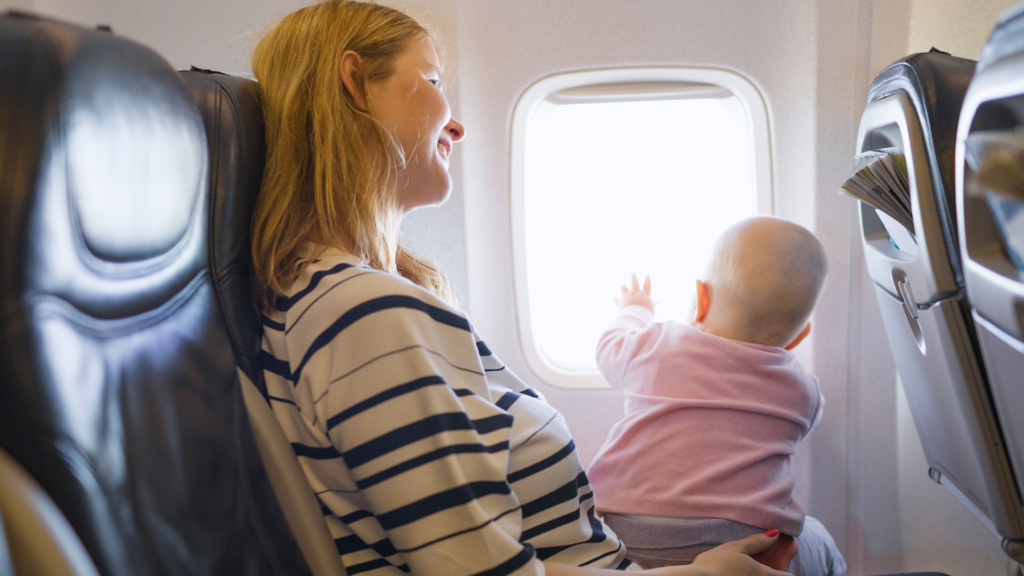
Long flights can be a challenge for families traveling with kids, but keeping them entertained is key to a smoother experience. Engaging children with a variety of activities, such as interactive apps, travel games, and storytelling, can help make the journey enjoyable for everyone. By planning ahead and packing a mix of entertainment options, parents can reduce stress during long hours in the air. Smartphone and tablet apps designed for kids offer an endless supply of entertainment, from games to educational content. Parents can also consider bringing along lightweight books or coloring materials to stimulate creativity. Incorporating regular breaks for stretching and discussions about the flight can further enhance their enjoyment. Families can involve children in the travel process by allowing them to help choose activities or snacks for the journey. This inclusion can make kids feel more invested in the trip, transforming potential boredom into excitement. With the right preparations, long flights can become a fun adventure rather than a tedious ordeal. Pre-Flight Preparation Effective preparation can significantly enhance the travel experience for both children and parents. Selecting suitable entertainment and packing essential items will help keep kids engaged during the flight. Choosing the Right Entertainment When choosing entertainment, consider options that can easily capture a child’s attention. Audiobooks offer a hands-free way to enjoy stories, making them ideal for flights. Popular titles can be downloaded in advance to ensure accessibility. Travel games such as magnetic travel sets are compact and minimize mess. Sticker books and coloring books can encourage creativity and provide hours of fun. Puzzle games can challenge kids, keeping them mentally engaged throughout the journey. For older children, travel journals allow them to document their experiences, fostering reflection and creativity. If they’re into things like technology or video games, picking them up an old model of psp can be a great way to let the hours fly by. The best part of all is that you can easily sell psp games online for a decent amount of money when they’re done with them too. This can allow you to cycle the games they have for the next time you travel, providing them with endless amounts of entertainment. Packing Essentials Packing the right essentials is crucial for a smooth flight. Include items that cater to different interests. A backpack or small carry-on works well for organization. Parents should pack a mix of entertainment items, such as coloring books, craft kits, and audiobooks. Snacks are also important; opt for non-perishable items like granola bars or dried fruit to keep energy levels up. Window clings can be a fun way to dress up the window area while being easy to store. Plan for comfort by including a lightweight blanket or neck pillow. Properly packing these essential items will contribute to a more enjoyable long flight experience. In-Flight Activities Keeping children entertained during a flight is essential for everyone’s comfort. Multiple engaging activities can help pass the time and reduce potential boredom. Here are some options tailored to long flights. Interactive Fun Interactive activities are great for keeping kids engaged. Magnetic travel games, like chess or checkers, provide a tactile experience that minimizes messiness. These compact games are easy to store and perfect for small trays. Doodle pads or Etch-a-Sketch devices allow kids to express creativity without the need for messy materials. They can draw, erase, and draw again, providing endless entertainment. Additionally, sticker books can encourage imaginative play, enabling children to create their own scenes and stories. Educational Games Educational games can turn flight time into learning time. Word puzzles, especially those tailored for kids, can be both fun and beneficial. These puzzles help improve vocabulary and spelling skills while keeping them occupied. Audiobooks present another excellent option. Children can listen to engaging stories, fostering their imagination and listening skills. Storytelling apps or podcasts designed for kids can also capture their attention, making the flight feel quicker. Quiet Time Activities Quiet time activities are crucial for moments when children need to wind down. Coloring books can be a soothing option, allowing creativity in a silent way. Providing a selection of coloring materials, such as colored pencils or crayons, enhances the experience. Puzzle games can engage their minds without causing noise, offering the satisfaction of problem-solving. Whether it’s a simple jigsaw or Sudoku tailored for younger audiences, these puzzles can keep kids focused. These activities create a calming environment, beneficial for both children and fellow passengers. Creating Comfortable Travel Experiences Ensuring kids are comfortable during long flights can significantly enhance their travel experience. Key strategies revolve around establishing a routine and managing screen time effectively. Importance of Routine Maintaining a familiar routine can help children feel secure, even in the unfamiliar environment of an airplane. Parents should aim to replicate their kids’ usual schedule as closely as possible. This includes meal times, nap times, and even entertainment choices. A well-planned itinerary may involve packing snacks that resemble usual meals. Consider including favorite activities such as storytelling or simple games like hangman. These familiar elements can ease anxiety and provide a sense of normalcy. Adequate preparation, including routines for hydration and bathroom breaks, also contributes to comfort. Regular reminders can help children adapt to the new environment while keeping them engaged. Balancing Screen Time While screens can offer instant entertainment, they shouldn’t be the only source of engagement. Limiting screen time encourages kids to explore other activities. Audiobooks can serve as an excellent alternative, providing captivating stories that stimulate imagination without the bright screens. Mixing activities keeps kids entertained and avoids fatigue. Consider creating a schedule that rotates among various options: puzzles, coloring books, and storytelling can all be integrated. Encouraging interactions, such as family games or conversation, can enhance the travel experience. This balance helps ensure children remain engaged while enjoying a comfortable flight.

How to Keep Your Kids Entertained on Long Flights: Effective Tips and Activities Read More »

Scroll to Top