
Author name: Thato

How to Create a Morning Routine That Energizes You for a Productive Day

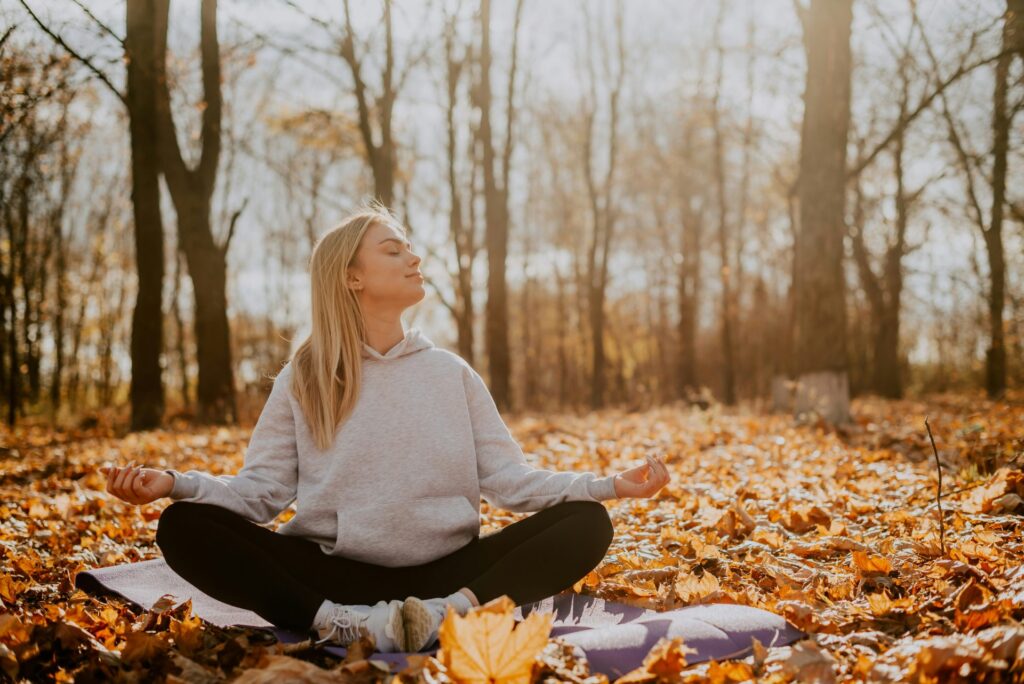
A well-structured morning routine can significantly impact a person’s day, setting a positive tone that boosts energy and productivity. Creating a morning routine that energizes involves incorporating activities that stimulate both the mind and body, such as exercise, healthy eating, and mindfulness practices. By starting the day with purpose, individuals can experience enhanced focus and motivation. The benefits of a consistent morning routine extend beyond mere productivity. Engaging in calming activities like meditation or journaling can reduce stress and improve mental clarity, enabling people to approach daily challenges with greater resilience. Starting the day on an energized note can also promote a positive mindset throughout the day. For those looking to transform their mornings, establishing a structured routine that aligns with personal goals and preferences is crucial. Tracking progress and making adjustments can further enhance the effectiveness of a morning routine. Exploring different elements can help individuals discover what truly energizes them and sets them up for success. Laying the Foundation for Your Morning Routine Establishing a morning routine begins with key components that influence both the quality of sleep and energy levels throughout the day. A well-structured foundation can lead to increased productivity and a more vibrant start to each day. Understanding Your Circadian Rhythm Circadian rhythms are the natural cycles the body follows over 24 hours, regulating various biological processes. They influence sleep-wake cycles, hormone release, and metabolism. By aligning morning routines with one’s circadian rhythm, individuals can enhance their energy levels. This alignment involves observing natural fluctuations in energy and adjusting wake times accordingly. For optimal alignment, sunrise typically signals the best time to wake up. This helps individuals harness natural light, which aids in adjusting the body clock. Paying attention to these patterns can help refine daily schedules. Setting a Consistent Wake-Up Time A consistent wake-up time is vital for regulating the body’s internal clock. When individuals wake up at the same time daily, they promote better quality sleep. This practice supports the establishment of a consistent sleep schedule, leading to improved alertness throughout the day. A regular wake-up time encourages the body to create a natural flow for sleep. To achieve consistency, setting an alarm can help. It is also crucial to resist the temptation of hitting the snooze button, as this can disrupt sleep cycles and decrease overall energy. The Importance of Hydration Hydration plays a critical role in maintaining energy levels during the day. Upon waking, the body may be dehydrated after hours of sleep, making it essential to begin with water intake. Consuming a glass of water shortly after waking helps kickstart metabolism and supports cognitive functions. She recommends aiming for 16-20 ounces of water in the morning. Incorporating hydration into the morning routine can involve planning. This includes placing a water bottle by the bedside or scheduling time to hydrate before moving on to other tasks. Preparing the Night Before Preparation the night before can significantly ease the morning rush. A clear plan set in advance allows for a smoother start. Setting aside time to prioritize tasks for the next day aids focus. This preparation may involve laying out clothes, packing bags, or making a quick breakfast plan. Furthermore, aiming for quality sleep is essential. Limiting screen time and creating a calming pre-sleep routine can enhance sleep quality, establishing a more refreshing start each day. Building a Morning Routine for Physical and Mental Wellness Creating a morning routine that prioritizes both physical and mental wellness can significantly enhance energy levels throughout the day. This routine should combine physical activity with mindfulness practices to prepare the mind and body for daily challenges. Physical Activity to Increase Energy Incorporating physical activity into the morning can have immediate benefits. Starting small is key; short bursts of movement like stretching or a quick walk can stimulate blood flow and boost energy. Engaging in more structured exercise, such as yoga or a light jog, can further enhance physical well-being. Benefits of morning movement include improved mood, increased metabolism, and greater mental clarity. Aim for at least 15-30 minutes of exercise, which can include calisthenics, cycling, or even dancing. Establishing consistency will lead to lasting energy and emotional well-being. Mindful Practices for a Positive Mindset Mindfulness practices significantly reduce stress and foster a positive mindset. This can include meditation, deep breathing exercises, or simple moments of reflection. These practices ground an individual and help cultivate emotional resilience. Setting aside 5-10 minutes for meditation can enhance focus and clarity for the day ahead. Techniques like breathwork can aid in managing anxiety and improving overall mood. Incorporating mindfulness each morning encourages positive intentions and equips individuals to face daily challenges. The Power of Visualization and Affirmations Visualization and positive affirmations can greatly impact motivation and confidence. Taking a few moments to visualize desired outcomes and success can help align the mind with goals. This forward-thinking approach can increase motivation and commitment throughout the day. Affirmations, when repeated daily, can help rewire negative thought patterns. Examples include statements like “I am capable” or “I embrace challenges.” Combining these practices creates a powerful psychological framework that reinforces energy and a proactive mindset, setting a positive tone for the day. Nourishing Your Body and Mind A well-rounded morning routine includes nourishing the body with a balanced breakfast and fostering a positive mindset through gratitude and intentions. Both elements work together to boost energy levels and enhance productivity throughout the day. Crafting a Nutritious Breakfast A nutritious breakfast supports metabolism and energy levels. Including a mix of complex carbohydrates, protein, and healthy fats is key. Examples of balanced options are: Oatmeal topped with nuts and berries Greek yogurt with honey and chia seeds Whole grain toast with avocado and poached eggs These choices not only provide essential nutrients but also help maintain steady energy. Eating breakfast within the first hour of waking enhances metabolism, making it easier to stay productive. Preparing meals the night before can save time and ensure healthy choices are readily available. Cultivating Gratitude and Positive Intentions Practicing gratitude

How to Create a Morning Routine That Energizes You for a Productive Day Read More »

How to Create a Flexible Fitness Plan for Sustainable Results

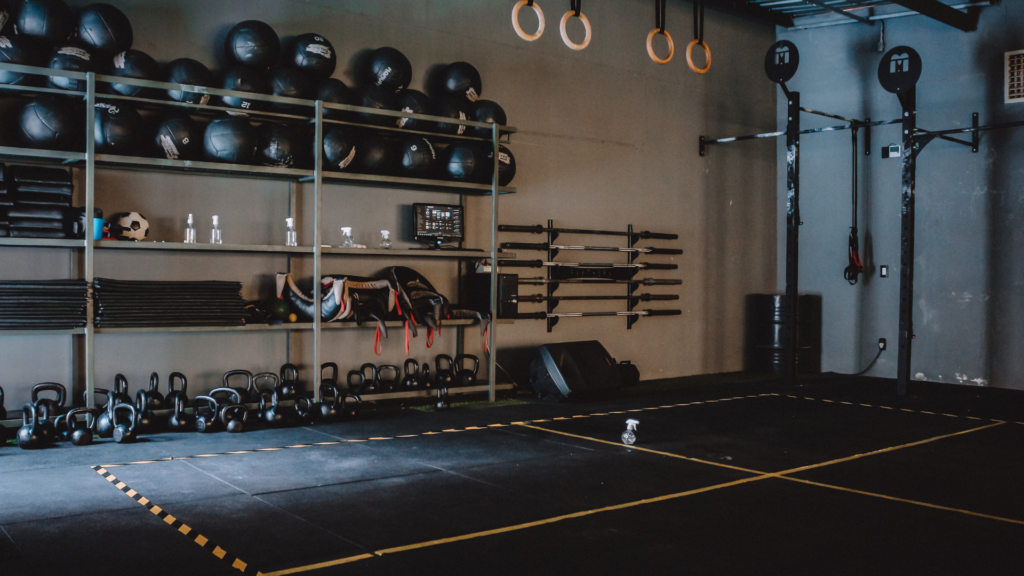
Creating a flexible fitness plan is essential for maintaining a healthy lifestyle that fits individual schedules and goals. A flexible fitness plan allows for adjustments based on personal needs, ensuring that consistency and motivation are prioritized. By incorporating various activities and building in rest days, anyone can develop a routine that adapts to changing circumstances. Many people face challenges in adhering to strict workout programs, often leading to frustration or burnout. A successful approach involves setting realistic goals, selecting enjoyable activities, and allowing for spontaneity. This encourages adherence to the fitness plan over the long term. Understanding one’s own body and preferences is key to building a sustainable routine. Regular assessments and adjustments will keep the plan aligned with personal progress and evolving fitness levels, making it easier to stay engaged and committed. Setting Your Fitness Goals Setting specific fitness goals is essential for creating an effective and flexible fitness plan. Clear objectives help individuals stay focused and motivated. Understanding personal body composition can guide goal-setting and progress measurement. Establishing Clear Objectives Clear objectives provide a roadmap for fitness journeys. Individuals should start by defining what they want to achieve. Common goals include: Losing Weight: Aiming for a specific weight loss target. Building Muscle: Increasing strength by targeting specific muscle groups. Improving Endurance: Enhancing cardiovascular fitness for better stamina. SMART criteria can help in setting these goals. Goals should be: Specific: Clearly defined and not vague. Measurable: Quantifiable metrics to track progress. Achievable: Realistic and attainable within a set timeframe. Relevant: Aligned with personal interests and motivations. Time-bound: Set within a clear deadline. This approach increases the likelihood of success and keeps individuals accountable. Understanding Body Composition Body composition refers to the proportion of fat, muscle, and other tissues in the body. It plays a crucial role in setting fitness goals. Knowledge of body composition can highlight areas for improvement. Key components include: Muscle Mass: More muscle increases metabolism and aids in weight loss. Body Fat Percentage: Monitoring this can guide weight loss or maintenance efforts. Individuals should consider measuring body composition with tools like skinfold calipers, bioelectrical impedance scales, or DEXA scans. This data can inform whether to focus on losing weight or building muscle, aligning fitness goals accordingly. Regular assessments help track progress and adjust goals as necessary. For those who have made significant progress on body composition through diet and training but are left with areas that don’t respond to further exercise, a consultation with a plastic surgeon McLean (or a location closer to you) can help identify whether a targeted body-contouring procedure is a reasonable next step. Designing Your Workout Plan Creating a workout plan requires strategic selection of exercises, thoughtful structuring of routines, and a balance of strength training and cardiovascular work. This section outlines practical methods for designing a personalized workout plan. Selecting the Right Exercises When designing a workout plan, choosing exercises that target various muscle groups is crucial. It can include compound movements like squats and deadlifts, which work multiple muscles simultaneously, and isolation exercises such as bicep curls that focus on specific areas. Incorporating a mix of bodyweight exercises, resistance training, and cardio is essential for a well-rounded program. Prioritizing exercises that align with personal fitness goals, such as muscle growth or endurance, helps create a targeted approach. A structured list can aid in selecting exercises: Full Body: Push-ups, squats, and rows Upper Body: Bench press, shoulder press, and pull-ups Lower Body: Lunges, leg press, and calf raises Core: Planks, Russian twists, and leg raises Structuring Workout Routines A balanced workout routine should combine different types of exercises planned over the week. It is advisable to alternate workout days focusing on different muscle groups to ensure recovery and growth. For example, a typical weekly structure could look like this: Day 1: Upper body Day 2: Lower body Day 3: Cardio Day 4: Full body Day 5: Rest or active recovery Including variations in rep ranges and sets is important for muscle adaptation. For strength building, performing 4-6 reps of heavier weights can increase muscle size. For endurance, 12-15 reps at lighter weights work effectively. Incorporating Strength Training and Cardio A successful workout plan balances strength training with cardio exercises. Strength training supports muscle growth and enhances metabolism, while cardio promotes cardiovascular health and aids fat loss. Integrating both elements ensures a comprehensive approach. For effective muscle building, consider strength training sessions 3-4 times a week while scheduling cardio workouts 2-3 times, mixing high-intensity interval training (HIIT) and steady-state cardio. Example structure for the week could include: Strength Training: 3 days (e.g., Monday, Wednesday, Friday) Cardio: 2 days (e.g., Tuesday, Thursday) Active Recovery: 1 day (e.g., Saturday) This blended approach maximizes benefits from both types of exercises, promoting overall fitness and well-being. Enhancing Flexibility and Recovery Incorporating flexibility and recovery strategies is essential for a comprehensive fitness plan. These practices support endurance, help prevent injuries, and enhance overall performance. The following sections focus on effective methods to integrate stretching, yoga, and recovery techniques. Integrating Stretching and Yoga Stretching is crucial for maintaining flexibility and mobility. It is advisable to include both dynamic and static stretching in a fitness routine. Dynamic stretching prepares the muscles for activity, while static stretching aids recovery post-exercise. Yoga complements stretching by enhancing flexibility and promoting muscle relaxation. Regular yoga practice can improve joint health and decrease muscle tension. Aim for at least two yoga sessions per week, focusing on poses that target major muscle groups. Additionally, incorporating stretching and yoga into workouts can enhance mental focus. Practitioners often experience improved body awareness, which can translate to better performance in other exercises. Planning Rest Days and Recovery Techniques Rest days are vital for muscle repair and growth. Scheduling at least one to two rest days per week allows the body to recover. During these days, engaging in light activities such as walking or gentle stretching is beneficial. Recovery techniques like foam rolling can help alleviate muscle soreness, release tight fascia, and improve overall blood flow. In addition,

How to Create a Flexible Fitness Plan for Sustainable Results Read More »

How Saying No Can Help You Prioritize Your Mental Health and Well-Being

Many people struggle with the idea of saying no, often believing that it may lead to disappointment or conflict. This hesitation can contribute to burnout and stress, negatively impacting mental health. Learning to say no is essential for prioritizing self-care and maintaining a healthy balance in life. When individuals assertively communicate their limits, they create space for activities and commitments that genuinely matter to them. This practice not only fosters better mental health but also encourages a more intentional approach to personal well-being. Embracing the power of no can transform how one engages with both responsibilities and relationships. Asserting boundaries requires practice and courage, but the rewards are significant. By prioritizing mental health through selective engagement, individuals can improve their overall quality of life and enhance their emotional resilience. Understanding the Power of Saying No Saying no is an essential skill that allows individuals to prioritize their mental health and establish healthy boundaries. Recognizing the role of ‘no’ can lead to personal growth, emotional resilience, and an improved sense of well-being. Defining Healthy Boundaries Healthy boundaries are limits set to protect one’s emotional and mental space. They are vital for maintaining relationships while safeguarding individual well-being. Establishing boundaries involves recognizing personal values and understanding what is acceptable. When a person clearly communicates their limits, they foster respect and mutual understanding. It empowers them to decline requests that infringe upon their time and energy. Practicing this skill helps individuals balance commitments effectively, enhancing mental clarity and focus. The Psychological Impact of ‘No’ Saying no positively impacts mental well-being. It allows individuals to prioritize their own needs over external pressures. By doing so, they reduce stress and prevent burnout. The act of declining can lead to a stronger sense of self and increased confidence. Individuals realize their worth and develop assertiveness. This shift enhances emotional resilience as they learn that their well-being is paramount, fostering healthier relationships in the long run. Overcoming the Fear of Disappointment and Rejection Many struggle with saying no due to the fear of disappointing others or facing rejection. This fear can lead to overcommitment and stress. Recognizing that feeling uncomfortable is natural can help individuals confront this challenge. Practicing saying no in low-stakes situations builds confidence. It becomes easier to decline requests that don’t align with personal needs. Understanding that not everyone will react negatively fosters a healthier perspective on relationships and personal priorities. The Role of Assertiveness in Boundary-Setting Assertiveness is crucial for establishing and maintaining personal boundaries. By fostering clear communication, individuals can prioritize their mental health and self-respect. Understanding how to express needs without guilt plays a key role in effective boundary-setting. Developing Assertive Communication Assertive communication involves expressing thoughts, feelings, and needs directly and honestly. This style of communication contrasts with passive or aggressive approaches, which can lead to misunderstandings and resentment. To develop assertive communication, individuals can use “I” statements, such as “I feel overwhelmed when…” This phrase shifts focus to personal feelings rather than placing blame. Practicing eye contact and maintaining an open posture also enhances assertiveness. Key components include: Clarity: Be direct and specific about requests. Respect: Acknowledge the other person’s feelings while stating your own. Consistency: Regularly practice assertiveness to build confidence. The Connection Between Self-Respect and Boundary-Setting Self-respect is fundamentally linked to the ability to set boundaries. When individuals know their worth, they are more inclined to protect their time and energy. Setting boundaries reinforces a sense of self-worth, allowing individuals to prioritize their mental health. It creates environments where personal needs are acknowledged, fostering positive relationships. Some strategies to enhance self-respect through boundary-setting include: Recognizing personal limits: Understand what is acceptable and what is not. Learning to say no: Practice firm yet polite refusals to protect time. Reflecting on personal values: Align boundaries with individual priorities to maintain integrity. Handling Guilt and Obligation When Saying No Many individuals struggle with feelings of guilt or obligation when saying no, often stemming from a desire to please others. This internal conflict can hinder boundary-setting and impact mental health. To manage guilt effectively, it can be helpful to reframe thoughts. Recognizing that saying no can also be a form of self-care encourages healthier choices. Strategies to handle these feelings include: Assessing the request: Determine if it aligns with personal values and priorities. Reflecting on consequences: Consider the effects of saying yes versus no on mental health. Seeking support: Engaging with friends or a therapist to navigate feelings of obligation can provide clarity. By addressing these aspects, individuals can reinforce their boundaries compassionately and confidently. Practical Strategies for Prioritizing Your Mental Health Prioritizing mental health involves practical strategies that enhance self-awareness and assist in decision-making. These strategies include the ability to say no, establishing boundaries, and seeking professional support when necessary. How to Practice Saying No Learning to say no is a powerful skill. It allows individuals to manage their commitments effectively. The ability to decline requests is rooted in self-awareness. Recognizing one’s limits is crucial to maintaining mental balance. Tips for Saying No: Be Honest: Clearly explain your reasons without feeling guilty. Practice Assertiveness: Use “I” statements to assert your needs. Keep it Simple: A straightforward “no” is often sufficient. Rehearsing responses can ease anxiety related to saying no. Individuals can role-play scenarios to build confidence. This prepares them to assert their boundaries in real situations. Establishing Clear Personal Boundaries Personal boundaries define the space between oneself and others. Clear boundaries protect mental well-being. They allow individuals to prioritize their needs without guilt. Steps to Establish Boundaries: Identify Needs: Reflect on what is essential for well-being. Communicate Clearly: Express boundaries to others respectfully. Stay Consistent: Regularly enforce boundaries to reinforce their importance. Individuals should practice self-compassion when setting limits. Accepting that it is okay to prioritize oneself is vital for mental health. Boundaries are not just barriers; they enhance personal growth and mental clarity. Seeking Support from a Mental Health Professional Professional support is valuable for those struggling with mental health challenges. Mental health professionals provide tools and techniques

How Saying No Can Help You Prioritize Your Mental Health and Well-Being Read More »

Essential Safety Tips for Solo Travelers: Navigating Your Journey with Confidence

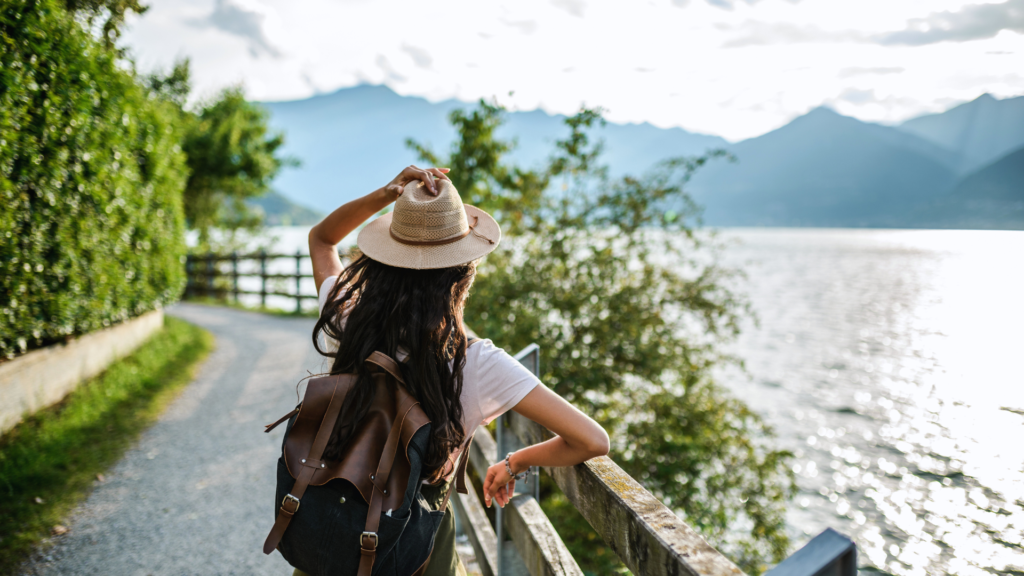
Solo travel offers unique opportunities for exploration and self-discovery, but it also comes with distinct safety challenges. Knowing essential safety tips for solo travelers can make all the difference in ensuring a secure and enjoyable journey. With the right precautions, solo adventurers can navigate new destinations with confidence and peace of mind. Understanding the potential risks is critical for anyone embarking on a solo travel experience. Simple strategies, such as staying aware of surroundings and establishing communication plans, can significantly enhance safety. Moreover, choosing accommodation wisely and being mindful of personal belongings helps mitigate risks during solo adventures. By integrating practical safety tips into their travel routine, solo travelers can focus more on immersing themselves in new cultures and experiences. This blog post will explore various strategies and insights aimed at empowering those who travel alone, ensuring they remain safe while creating unforgettable memories. Planning Your Solo Adventure Effective planning is crucial for a successful solo trip. By conducting thorough research, organizing a detailed itinerary, selecting safe accommodations, and managing important documents, travelers can enhance their security and enjoyment. Research Your Destination Gathering information about the chosen destination is essential. This includes understanding local customs, culture, and laws. Knowledge of travel advisories can provide insights into any risks travelers may face. Key sources of information include: Government websites: Check for safety tips and current advisories. Travel forums: Engage with other solo travelers for firsthand experiences. Local news: Stay updated on recent events that may affect safety. Knowing vaccination requirements is also important. Some countries may require proof of immunization for certain diseases. Preparing Your Itinerary A detailed itinerary can guide a solo traveler’s journey while offering flexibility. Include key details such as flight information, accommodation addresses, and local transportation options. Include the following elements: Daily activities: Outline major attractions and activities to avoid missing highlights. Alternate plans: Be ready with backup options in case of unforeseen changes. Share your itinerary: Send it to friends or family, enhancing personal safety. Travelers should ensure they allow time for rest and leisure within their itinerary to avoid burnout. Selecting Safe Accommodations The choice of accommodation impacts both safety and comfort. Research accommodations carefully, looking for reputable hotels or hostels that have good reviews and a solid security reputation. Consider these factors: Location: Opt for areas known for safety and accessibility. Security measures: Look for features like 24-hour reception, in-room safes, and secure entrances. Reviews: Websites like TripAdvisor or Booking.com can offer insights from other travelers’ experiences. Reaching out to previous guests for direct feedback can also be beneficial for an informed choice. Handling Important Documents Maintaining proper documentation is vital for a smooth trip. Solo travelers should organize and secure important documents, such as passports and visas. Strategies to manage documents include: Digital copies: Keep scanned versions in a secure cloud storage. Physical security: Use a travel wallet to store documents safely. Insurance documentation: Carry travel insurance details, which can assist in emergencies. Keeping a list of important contacts, including local embassies, will enhance preparedness for any unexpected situations. Personal Safety and Security Measures Maintaining personal safety and security is crucial for solo travelers. By employing specific measures, travelers can significantly reduce risks and enhance their experience. Safeguarding Your Belongings Travelers should keep valuables out of sight to deter theft. This includes storing items like phones, wallets, and passports in anti-theft bags, which feature lockable zippers and cut-resistant straps. Using travel gear with secure compartments is important. For example, a money belt or hidden pouch can safely carry cash and cards. Avoid displaying expensive items, like jewelry or high-end electronics, in public. When not in use, travelers should store their belongings securely in accommodations. Utilizing hotel safes or locking items in luggage can help mitigate risk. Notifying friends or family about travel plans also adds an extra layer of security. Staying Connected Staying connected with family or friends back home is essential. Travelers can share their location using apps that allow real-time updates, enhancing safety during solo adventures. Carrying a personal safety alarm can also be a prudent measure. These devices emit loud noises to attract attention in threatening situations. Making a list of emergency contacts before leaving can save time in a crisis. Access to a reliable phone and internet connection is important. Pre-loading maps and necessary contacts ensures travelers can navigate without unnecessary stress. Choosing accommodations with Wi-Fi can aid in staying connected with loved ones. Understanding Local Culture Understanding local culture and customs is vital for navigating safely. Travelers should research social norms regarding dress, behavior, and language before arrival. Being aware of local customs helps in avoiding unintentional offense. For instance, knowing greetings or basic phrases can foster goodwill. This also provides insight into practices that may impact personal safety. Local advisories provide valuable information about areas to avoid or cultural events that may be beneficial. Travelers can connect with locals and gain recommendations for safe venues or attractions, enhancing both cultural immersion and security. Implementing Travel Safety Tips Adopting practical travel safety tips is crucial. For instance, using safe payment methods, like credit cards, limits exposure to cash and reduces identity theft risk. Travelers should remain vigilant in crowded areas, as pickpockets often operate where distractions occur. Keeping bags secured and holding them close can deter opportunistic theft. Establishing a routine can help maintain awareness. Regularly checking surroundings and staying alert to unusual behavior can enable travelers to react swiftly if faced with danger. Making informed choices while on the go enhances the overall travel experience. Health and Emergency Preparedness Health and emergency preparedness is crucial for solo travelers. It involves being equipped with essential medical supplies and knowing how to respond effectively in different situations. First-aid and Medical Essentials A well-stocked first-aid kit is essential. Recommended items include: Adhesive bandages in various sizes Antiseptic wipes or ointment Gauze pads and adhesive tape Pain relievers like ibuprofen or acetaminophen Allergy medication, such as antihistamines Travelers should also include personal medications and any specific items relevant to their

Essential Safety Tips for Solo Travelers: Navigating Your Journey with Confidence Read More »

Why It’s So Easy to Lose Control—and What Helps You Get It Back

Losing control doesn’t always happen all at once. Sometimes it’s small things that add up. Skipping sleep to deal with stress, ignoring texts, hiding problems, or pretending everything’s fine when it isn’t. Over time, those little moments pile up until everything feels too big to handle. For some people, the way to cope becomes risky—things like using drugs, avoiding reality, or pretending feelings don’t matter. It can feel like the only way to quiet down all the chaos. But even when things feel totally out of control, there are ways to turn it around. How It All Gets Out of Hand Most people don’t expect to fall apart. Nobody plans to feel this broken. But it happens. Maybe school feels impossible. Maybe something awful happened at home. Maybe anxiety or sadness never seems to go away. And when pain builds up for too long, people start looking for a way to escape it—even if the way out leads somewhere worse. Drugs like crystal meth are one example. At first, they can make someone feel confident or full of energy. Everything feels fast and sharp. But that feeling doesn’t last. Meth works by messing with the brain’s chemicals. It tricks the brain into thinking everything’s fine—even when it isn’t. And once that trick wears off, things crash. Hard. Anxiety shows up. Sleep disappears. The body feels drained. Then the brain wants that fast, good feeling again. That’s how the cycle starts. And it doesn’t stop without real help. Places that focus on crystal meth rehab offer real support for people stuck in that cycle. They help with the physical damage, but they also help people learn how to feel normal again without depending on a drug to get through the day. Why It’s So Hard to Ask for Help Even when everything is falling apart, asking for help feels scary. Maybe it’s fear of being judged. Maybe it’s embarrassment. Or maybe it just feels impossible to trust anyone. But the truth is, asking for help isn’t weak. It actually takes serious strength to admit something’s wrong. And most people who seem fine from the outside are carrying way more than they show. No one gets through serious problems by pretending they don’t exist. Getting help doesn’t mean handing your life over. It means having someone walk with you while you figure things out. Support looks different for everyone. Some need one-on-one therapy. Others need more structured care. Some people need to stay somewhere safe and focused, like a rehab center. And that’s okay. The important part is starting somewhere—anywhere. What Recovery Actually Looks Like Getting better isn’t quick. It’s not some perfect, magical fix. But it is real. And it does work. When someone goes through a treatment program, especially for drugs like meth, the first step is usually detox. That means clearing the drug out of the system while staying safe. After that, it’s time to deal with what caused the problem in the first place—things like stress, trauma, or depression. In therapy, people start learning better ways to handle emotions. They build new habits. They figure out what triggers their worst days and what helps them stay steady. There’s also group support. Talking with people who’ve gone through the same thing helps more than most people expect. It makes things feel less lonely. It proves that others have come back from rock bottom—and that it’s possible to feel good again. Learning How to Feel Again After depending on something like meth for so long, normal feelings can be overwhelming. Sadness feels heavier. Joy feels confusing. Anger comes out fast. That’s because the brain is learning how to feel again without anything dulling it down or speeding it up. That part can be tough. But it’s also important. Feeling emotions is part of being human. Avoiding them or trying to erase them only makes things worse over time. Rehab programs help people build healthy ways to deal with feelings. That might mean journaling, going to support groups, trying new hobbies, or learning how to be around people without feeling fake. It’s not about being perfect. It’s about being real—and learning that emotions don’t have to control everything. Finding Balance Again Losing control often means life feels totally out of balance. Sleep is off. Food doesn’t matter. The body feels tense all the time. Recovery means slowly finding that balance again. That could mean getting back into a sleep routine, eating regular meals, and taking care of the body in small ways. It also means thinking clearly again—without all the noise and pressure that comes with using. Balance doesn’t mean life is easy. But it does mean life starts feeling possible again. That’s where real progress happens—not in giant moments, but in quiet, steady ones. What Happens After Rehab Rehab isn’t the end of the story. It’s the beginning. After someone finishes a treatment program, there’s still work to do. That’s totally normal. Some people continue with therapy. Others stay in touch with support groups or go to follow-up programs. The goal isn’t to be perfect—it’s to stay connected to the things that help. There will be hard days. But there will also be good ones. And with the right tools, those good days start coming more often. The future doesn’t have to look like the past. It can be better. And it’s okay to take that one step at a time. What to Remember When It Feels Too Late Sometimes it feels like it’s already over. Like there’s no fixing things. But that’s just the pain talking. People have come back from things that looked impossible. People who lost everything—family, friends, health, hope—have found their way again. Not by pretending things were fine, but by admitting they weren’t and choosing to fight for something better. There is help. There are people who care. There are places built to support the exact pain that’s hard to explain. And it’s never too late to get your life back. Not even close.

Why It’s So Easy to Lose Control—and What Helps You Get It Back Read More »

10 Off-the-Beaten-Path Destinations in Europe for Unique Travel Experiences

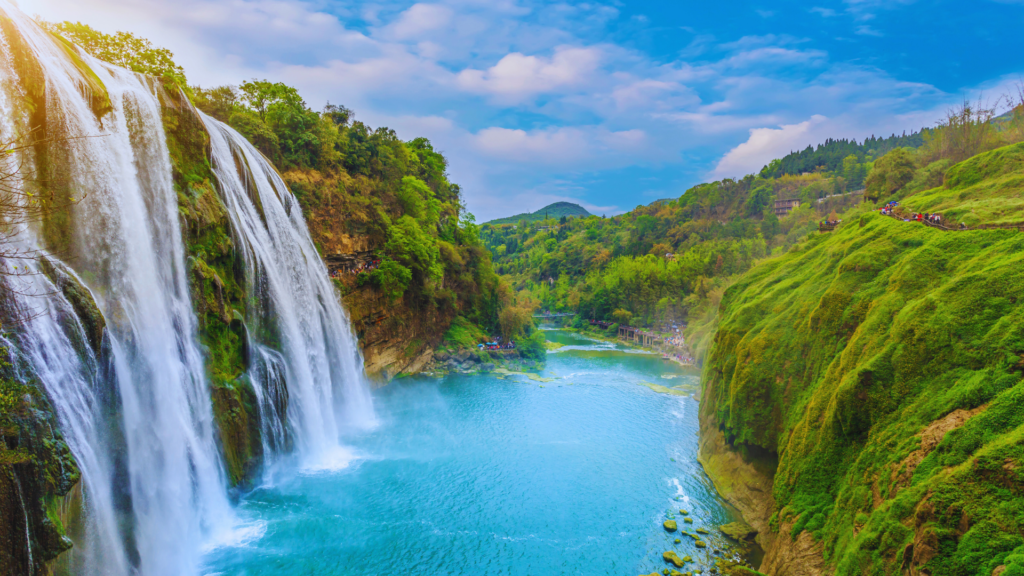
Travelers seeking unique experiences often overlook the hidden gems of Europe, favoring well-trodden tourist spots instead. This article uncovers ten off-the-beaten-path destinations that promise unforgettable adventures and authentic cultural encounters. From picturesque villages to breathtaking natural landscapes, these unique places offer a refreshing alternative to the usual itinerary. Exploring these lesser-known locations allows visitors to connect with local traditions and discover stunning scenery away from the crowds. Whether it’s charming towns, secret beaches, or scenic hiking trails, Europe is filled with treasures waiting to be explored. Those who venture beyond the typical destinations will find rich histories and vibrant communities eager to share their stories. Hidden Cultural Treasures of Europe Europe is home to numerous hidden gems that showcase rich cultural histories and unique architectural styles. These locations offer insights into local traditions and artistic expressions that are often overlooked by mainstream tourism. Meditative Matera: Italy’s Underground Marvel Matera, located in Basilicata, Italy, is renowned for its ancient cave dwellings, known as Sassi. This UNESCO World Heritage Site features homes carved into limestone cliffs, offering a glimpse into a way of life that dates back thousands of years. Visitors can explore winding streets, ancient churches, and rock-hewn architecture. The intricate frescoes within these caves reveal the region’s deep spirituality and artistic heritage. Matera’s local culture is vibrant, with festivals celebrating traditional music and cuisine, providing an immersive experience for travelers seeking authenticity. Mostar and Its Ottoman Charms in Bosnia and Herzegovina Mostar, famous for its iconic Stari Most (Old Bridge), lies in Bosnia and Herzegovina. This city is a stunning example of Ottoman architecture, with minarets and stone buildings that reflect a rich cultural heritage. The Neretva River flows through Mostar, enhancing its scenic beauty. Visitors can wander through the cobblestone streets of the Old Bazaar, where artisans sell handmade crafts. The blend of cultures is palpable, making Mostar a compelling destination for those interested in history and local traditions. Kazimierz Dolny: Poland’s Artistic Riverside Gem Kazimierz Dolny, situated along the Vistula River in Poland, is a charming town known for its artistic community and historical significance. The area is characterized by beautifully preserved Renaissance architecture and stunning river views. Local art museums showcase a variety of works, from traditional paintings to contemporary installations. The town’s cultural events, including art festivals, attract both artists and visitors alike. Kazimierz Dolny’s tranquil atmosphere and artistic vibe make it a delightful retreat for those exploring Poland’s hidden cultural treasures. Natural Pearls of the European Landscape Europe is home to breathtaking natural beauty that often goes unnoticed. From secluded waterfalls to picturesque coastlines, the continent offers hidden treasures for nature enthusiasts. Scotland’s Secluded Waterfalls and Stunning Landscapes Scotland is renowned for its dramatic landscapes, featuring numerous waterfalls tucked away in remote locations. The Fairy Pools on the Isle of Skye are a prime example. With their crystal-clear waters, they attract hikers and photographers alike. Corries and glens provide the perfect backdrop for these natural wonders, showcasing the rugged beauty of the Highlands. The region’s unique geological features, like the Old Man of Storr, further enhance its allure. Exploring these areas allows visitors to experience Scotland’s pristine nature away from the crowds. Norway’s Lofoten Islands: A Nordic Wonderland The Lofoten Islands in Norway are known for their stunning landscapes of sharp peaks and secluded beaches. These islands feature a mixture of mountains, fiords, and dramatic coastlines, forming an idyllic setting for outdoor activities. The village of Reine exemplifies the charm of this region with its traditional red fishing cabins. Visitors can hike through untouched nature, exploring trails that range from easy walks to challenging climbs. In addition, the islands offer excellent opportunities for kayaking and fishing, immersing travelers in the area’s natural beauty. The Algarve’s Hidden Coves and Charming Seaside Villages The Algarve region of Portugal is famous for its scenic coastline, dotted with hidden coves and charming seaside villages. Praia da Marinha is a standout, celebrated for its striking limestone cliffs and clear waters. This beach is often ranked among the best in Europe. Traditional villages such as Cacela Velha offer a glimpse into local culture, featuring whitewashed buildings and narrow cobblestone streets. The Algarve’s combination of picturesque landscapes and cultural charm makes it a hidden gem for travelers seeking tranquility. Picturesque and Pastoral European Escapes Europe boasts numerous destinations that capture the beauty of pastoral living and breathtaking landscapes. The following sites exemplify stunning surroundings where visitors can immerse themselves in cultural heritage and serene environments. Painted Perfection in Austria’s Hallstatt Hallstatt, a UNESCO World Heritage Site, is renowned for its picturesque village nestled between the mountains and Lake Hallstatt. The charming streets are lined with 16th-century buildings, offering a glimpse into the region’s history. Visitors can explore local shops selling salt and artisan crafts. The town’s scenic views provide the perfect backdrop for photography enthusiasts. The salt mine tour, set high on the mountain, reveals fascinating geological formations and ancient history. Nature lovers can also hike to nearby trails for panoramic views of the Alps and the lake. Provence: France’s Wine Country and Lavender Fields Provence is famous for its rolling vineyards and vibrant lavender fields, creating a stunning landscape that changes with the seasons. Wine tasting in local wineries allows tourists to sample exceptional regional varietals. The area is characterized by its charming villages, like Gordes and Roussillon, known for their colorful façades. In summer, the lavender fields bloom, attracting visitors from around the world. The scent and beauty create a serene atmosphere perfect for relaxation. Culinary experiences abound, with fresh produce featured in local dishes that highlight the region’s agricultural bounty. Tallinn, Estonia: A Blend of History and Technology Tallinn combines medieval architecture with modern innovation, making it a unique destination in Europe. The well-preserved old town, a UNESCO World Heritage Site, features cobblestone streets and historic buildings that transport visitors to the past. Highlights include the iconic Alexander Nevsky Cathedral and the Town Hall. Despite its historical charm, Tallinn is also a hub of technology and creativity. Innovative

10 Off-the-Beaten-Path Destinations in Europe for Unique Travel Experiences Read More »

5 Easy Ways to Start Your Fitness Journey and Transform Your Health

Starting a fitness journey can seem daunting, especially for beginners. It’s easy to feel overwhelmed by the myriad of options available and the fear of not knowing where to begin. By focusing on attainable and realistic goals, anyone can effectively kickstart their fitness journey and improve their overall health. The key lies in creating a plan that is not only beginner-friendly but also enjoyable. Small, consistent changes pave the way for lasting habits and progress. This article presents five easy ways to embark on a fitness journey that will motivate and inspire individuals to take charge of their health without feeling frustrated or discouraged. Whether it’s through simple exercises, incorporating enjoyable activities, or building a supportive community, individuals can find their unique path to fitness. Each of these strategies is designed to foster confidence and make fitness a sustainable part of life. Setting Achievable Fitness Goals Setting realistic fitness goals is essential for anyone starting a fitness journey. This process helps maintain motivation and track progress effectively. By establishing a baseline and defining clear objectives, individuals can create a structured approach to their fitness regimen. Establish Your Fitness Baseline Determining a fitness baseline involves assessing current physical abilities and health conditions. This may include measuring weight, body composition, endurance, strength, and flexibility. Individuals can complete simple assessments such as: Recording how far they can run or walk in a specific time. Noting how many push-ups or sit-ups they can perform. This baseline serves as a reference point to gauge improvement over time. Starting slowly is crucial; beginners should refrain from overextending themselves to prevent injuries and burnout. Understanding one’s starting point not only promotes realistic goal-setting but also builds motivation by highlighting progress as milestones are achieved. Define Clear, Actionable Objectives Specificity in goal-setting enhances focus and accountability. Rather than vague statements like “get fit,” individuals should aim for clear targets. Examples of actionable objectives include: “Lose 5 pounds in 3 months.” “Run 1-mile without stopping within 6 weeks.” These objectives should be SMART: Specific, Measurable, Achievable, Relevant, and Time-bound. Creating a beginner workout plan that aligns with these goals can facilitate steady progress. For instance, someone may start with 20 minutes of walking three times a week, gradually increasing intensity and duration. Breaking larger goals into smaller milestones ensures a steady path and helps maintain motivation throughout the fitness journey. Creating Your Workout Routine Establishing a workout routine is essential for anyone starting their fitness journey. A well-structured plan considers various exercise types, the importance of sets and reps, and the vital role of rest. Incorporate a Variety of Exercises A balanced workout routine should include a mix of cardio, strength training, and flexibility exercises. Cardio workouts, such as running or cycling, help improve cardiovascular health. Strength training, targeting specific muscle groups, builds muscle and boosts metabolism. Flexibility exercises, like yoga, enhance the range of motion and prevent injuries. Combining these types allows for comprehensive fitness, maximizing results. Create a weekly plan to alternate between these workouts. For instance, schedule cardio on certain days and strength training on others, ensuring each muscle group receives attention. Understanding Sets and Reps Understanding sets and reps is crucial for effective workouts. A ‘set’ refers to a group of consecutive repetitions (reps) of an exercise. For example, performing 10 push-ups in a row constitutes one set of 10 reps. To build strength, they can start with fewer sets and gradually increase as they gain confidence. Progressive overload is key; she should aim to increase the weight or intensity over time to continually challenge the body. A common structure might include three sets of 8-12 reps for strength training exercises, balancing between effective challenges and manageable overload. The Importance of Rest and Recovery Rest and recovery play significant roles in a workout routine. They are not merely breaks; rest days allow muscles to repair and grow stronger after workouts. Without adequate recovery, overtraining can occur, leading to fatigue and injuries. It is important to balance workout intensity with rest days. Most individuals benefit from 1-2 rest days per week. Incorporating low-impact exercises or yoga on these days can aid recovery, maintaining movement while allowing muscles to recuperate effectively. Nutrition and Hydration for Wellness Nutrition and hydration are crucial components of a successful fitness journey. A balanced diet supports overall health, while proper hydration enhances performance and recovery. Effective strategies in both areas can significantly impact well-being. Balancing Your Diet for Optimum Health A balanced diet includes a variety of food groups to ensure adequate nutrition. This typically consists of: Fruits and Vegetables: Aim for at least five servings a day, emphasizing color and diversity. Proteins: Incorporate lean meats, poultry, fish, beans, and legumes for muscle repair and growth. Whole Grains: Opt for whole grain bread, brown rice, and oatmeal to provide sustained energy. Dairy: Choose low-fat or non-fat dairy options for calcium and vitamin D. Portion control is also essential. Overeating, even healthy foods, can lead to weight gain. Monitoring food intake and choosing nutritious snacks can support fitness goals. Individuals should also consider their unique nutritional needs based on activity levels and personal preferences. The Role of Hydration in Fitness Staying hydrated is vital for peak performance. Water aids in digestion, nutrient absorption, and temperature regulation. Insufficient hydration can lead to fatigue, decreased coordination, and impaired cognitive function. It’s recommended that active individuals consume about 2 to 3 liters of water daily, adjusting for exercise intensity and environmental conditions. During workouts, sipping water every 15-20 minutes is beneficial. For added benefits, including electrolytes like sodium and potassium can help replenish lost minerals during prolonged activities. Simple methods to track hydration include: Carrying a reusable water bottle Setting reminders to drink water at regular intervals Monitoring urine color for hydration status Along with maintaining proper water intake and electrolyte balance, one can also incorporate hydration and wellness products into a daily routine to further support overall performance and recovery. Products from reputable platforms like TMRW are often formulated to support hydration, energy, and

5 Easy Ways to Start Your Fitness Journey and Transform Your Health Read More »

Booking a Girls Trip: Essential Tips for an Unforgettable Adventure

Planning a girl’s trip can be an exciting adventure filled with opportunities for bonding and exploration. Choosing a destination that offers a mix of wellness, outdoor adventures, and cultural experiences ensures that everyone can find something enjoyable to do. Whether it’s a relaxing retreat at a spa, hiking in beautiful landscapes, or discovering local traditions and cuisines, the experience can provide lasting memories. The key to a successful trip lies in careful preparation. They should consider various travel tips such as budgeting, accommodation options, and creating an itinerary that balances group dynamics and personal preferences. Prioritizing activities that promote both relaxation and excitement will enhance the overall experience. As they embark on this journey, travelers need to remain flexible and open-minded. A well-planned girls’ trip not only strengthens friendships but also allows for personal growth and unforgettable experiences. Planning Your Destination Choosing the right destination is crucial for a memorable girl’s trip. The perfect location can enhance the experience and cater to each person’s interests. Whether it’s vibrant city life, sandy beaches, adventurous activities, or rich cultural experiences, careful planning will ensure everyone has a great time. City Escapes and Iconic Landmarks Cities offer a dynamic backdrop for girls’ getaways, blending culture, dining, and iconic sights. New York is a standout choice, featuring landmarks like the Empire State Building and Central Park. A weekend trip can include shopping in SoHo and shows on Broadway. Chicago provides an architectural marvel, with activities like visiting Millennium Park and the Art Institute. Culinary experiences also abound, from deep-dish pizza to gourmet dining. For a European twist, Barcelona enchants with its stunning architecture, including the famous Park Güell. A city escape allows for the exploration of diverse neighborhoods, tapas, bars, and vibrant nightlife. Beach Destinations and Coastal Getaways Beach getaways provide relaxation and rejuvenation. Miami, with its South Beach allure, is ideal for sunbathing and nightlife. The vibrant atmosphere, paired with beachside cafés and shops, makes it a perfect summer destination. Hilton Head Island offers a more tranquil beach experience, known for its beautiful shorelines and golf courses. Visitors can enjoy water sports and bike trails for an active retreat. For those seeking international beaches, consider destinations like Tulum or Cancun in Mexico. Both locations feature beautiful coastlines, with opportunities for snorkeling and exploring ancient ruins. Adventurous Escapes and Natural Wonders For those looking for adventure, destinations like Alaska offer breathtaking natural wonders. Exploring national parks provides opportunities for hiking, wildlife spotting, and breathtaking scenery. Experiences can include glacier tours or kayaking in serene waters. If exploring different terrains is appealing, consider a trip to Reykjavik. The Blue Lagoon is a stunning geothermal spa, perfect for relaxation after a day of sightseeing. Various excursions are available, including hiking or visiting waterfalls. For the more adventurous spirit, consider an active retreat in Costa Rica. Activities might include zip-lining through rainforests or surfing on picturesque beaches. Cultural Havens and Historical Retreats Cultural and historical destinations enrich travel experiences. New Orleans, especially during Mardi Gras, invites visitors to immerse themselves in vibrant celebrations. The city’s rich history is reflected in its architecture and cuisine. Savannah offers a beautiful blend of history and charm, with lush parks and historic homes. Guided tours can reveal fascinating stories of the region, perfect for history enthusiasts. Nashville stands out as a hub for music lovers, home to the Country Music Hall of Fame. Attendees can enjoy live music performances and visit iconic venues, providing an unforgettable cultural experience. Accommodation and Lifestyle Choosing the right accommodation is vital for enhancing the experience of a girls’ trip. For instance, if one is planning a trip to some beach, a venice beach ca hotel can provide a lot of different accommodations. Many hotels also provide amenities like swimming pools, dining areas, and even kitchen facilities. Options range from luxurious retreats to budget-friendly group accommodations catering to various preferences and lifestyles. Luxury and Wellness Retreats Luxury hotels and wellness retreats provide an indulgent escape. They often feature amenities such as rooftop pools, fine dining options, and comprehensive spa services. These settings are designed to blend comfort with revitalisation, creating an ideal environment for rest and renewal. For those seeking a more transformative approach to wellbeing, facilities like Palazzo Fiuggi or similar wellness-focused establishments can further elevate the experience, combining therapeutic treatments with exceptional hospitality. Such immersive environments encourage guests to disconnect from daily stressors and fully embrace mindful living, allowing them to return home with a renewed sense of clarity and balance. Unique Stays and Experiential Lodging Opting for unique accommodations can elevate the vacation experience and make the trip truly unforgettable. Stays such as glamping sites, treehouses, or boutique hotels allow travelers to immerse themselves in the local atmosphere while enjoying a more personalized environment. Glamping, in particular, offers the perfect blend of comfort and nature. Places like Agriturismo Pereti provide a charming example, combining scenic landscapes with cozy, eco-friendly lodging that enhances the sense of escape. Cruise ships present a blend of luxury and adventure, allowing for visits to multiple locations while enjoying onboard amenities. These options often include activities like outdoor adventures, enhancing the overall experience. Each stay can provide tailored experiences, ensuring memorable moments with friends. Budget-Friendly Options and Group Accommodations For those looking to save, budget-friendly options are plentiful. Hostels, vacation rentals, and group accommodations cater to larger parties, creating a communal atmosphere. Airbnbs and affordable hotels allow for flexibility and shared spaces, making it easier to socialize. Additionally, many destinations offer all-inclusive resorts, where meals and activities are covered, enhancing the budget experience. By combining affordability with comfort, these options enable trips without financial strain, making them ideal for friends looking to reconnect. Activities and Entertainment When planning a girls’ trip, selecting the right activities and entertainment can elevate the experience. Prioritizing a mix of culture, relaxation, and excitement ensures that everyone has a memorable time. Shopping, Dining, and Nightlife Shopping can be a highlight of any girls’ trip. Destinations like Miami and South Beach offer trendy boutiques

Booking a Girls Trip: Essential Tips for an Unforgettable Adventure Read More »

Couch to 5K: Your Ultimate Guide to Beginner Running Success

Couch to 5K is a popular running program designed specifically for beginners looking to improve their fitness levels. It guides participants through a structured plan that gradually increases running endurance over several weeks. The program effectively transforms sedentary individuals into confident runners ready to complete a 5K race. As more people recognize the benefits of regular physical activity, Couch to 5K has gained popularity for its approachable method. The gradual increase in running time combined with walking intervals makes this program accessible to anyone, regardless of starting fitness levels. Participants often find that the structured yet flexible nature of the plan keeps them motivated and engaged. Whether for weight loss, improved health, or simply the joy of running, Couch to 5K provides a clear path to achieve these goals. Many have successfully completed their first 5K through this program, experiencing not only physical changes but also a boost in confidence and mental well-being. Getting Started with Couch to 5K Couch to 5K (C25K) is a popular program designed to transition beginners from a sedentary lifestyle to running a 5K race. To start effectively, understanding the program structure, having the right equipment, and setting achievable goals are crucial for success. Understanding the Couch to 5K Program The Couch to 5K program is an eight-week plan that gradually increases running time while incorporating walking intervals. Each session typically lasts 20 to 30 minutes. The program begins with short bursts of running, followed by walking. As participants progress, the running intervals become longer, fostering endurance and reducing the risk of injury. This gradual approach is effective for beginner runners, allowing them to build fitness levels without overwhelming their bodies. Many users report not only finishing a 5K but also experiencing improved mood and energy levels. Equipment and Gear Essentials Having the right equipment can make a significant difference in comfort and performance. A good pair of running shoes is essential. Key features to consider: Cushioning: Provides shock absorption. Fit: Should be snug but not tight to avoid blisters. Support: Offers stability to prevent injury. Other essentials include comfortable, moisture-wicking clothing and, optionally, a hydration plan for longer sessions. Keeping these factors in mind helps create a more enjoyable experience during the running journey. Setting Realistic Goals Setting realistic goals is vital for maintaining motivation throughout the Couch to 5K program. It’s important to focus on personal progress rather than comparing to others. Suggested goals could include: Completing each week’s scheduled workouts without skipping days. Gradually increasing running distances. Tracking improvements in endurance and pace. Establishing these targets allows for a sense of accomplishment, boosting confidence. Celebrating small milestones keeps individuals motivated to stick with their healthy lifestyle changes while preparing for a 5K race. Training Plan and Schedule A well-structured Couch to 5K training plan is essential for beginners aiming to complete their first race. It includes specific workouts, rest days, and the incorporation of strength and cross-training to enhance performance and prevent injury. Structure of the Couch to 5K Training Plan The Couch to 5K training plan typically spans nine weeks and involves three workouts per week. Each session combines both walking and running in increasing intervals. Week 1: Walk for 5 minutes, jog for 60 seconds, repeat for 20 minutes. Week 5: Walk for 5 minutes, jog for 5 minutes, repeat for 30 minutes. Week 9: Complete a continuous 30-minute jog. This gradual increase in intensity helps build endurance without overwhelming the body. Completing each week’s sessions is critical before progressing. Incorporating Rest and Recovery Rest days are vital for any training schedule, allowing the body to recover and adapt. Including one or two rest days per week helps prevent injuries and mental fatigue. Active recovery: Engage in light activities such as walking or yoga to stay active without overexertion. Listen to the body: If fatigue or pain arises, additional rest may be necessary. A well-timed rest schedule fosters better performance by allowing muscles to heal, ultimately contributing to improved running times. Adding Strength and Cross-Training Incorporating strength training and cross-training enhances overall fitness and running efficiency. Strength training exercises targeting the core, legs, and upper body can improve running form and stamina, include: Squats Lunges Planks Cross-training options, such as cycling or swimming, provide cardiovascular benefits while reducing the risk of overuse injuries. Aim for one to two cross-training sessions per week, focusing on different muscle groups. This balanced approach ensures that runners develop strength and prevent monotony in their training regimen. Health and Nutrition Maintaining a balanced diet and proper hydration is crucial during the Couch to 5K program. Nutrition affects endurance and overall fitness, influencing both performance and recovery. Attention to diet can also support weight loss efforts and muscle maintenance. Routine for a Balanced Diet A balanced diet includes a variety of food groups to provide essential nutrients.  The key components are: Carbohydrates: Vital for energy, especially complex carbs like whole grains and vegetables. Proteins: Important for muscle repair and recovery. Sources include lean meats, beans, and dairy products. Fats: Healthy fats from sources like avocados, nuts, and olive oil support overall health. It may help to plan meals around these groups. Incorporating fruits and vegetables ensures adequate vitamins and minerals. Regular, smaller meals may sustain energy levels throughout the day and boost performance during runs. Importance of Hydration Proper hydration is critical for optimal performance and recovery. Dehydration can impair endurance and increase fatigue. Water Intake: Aim for at least 8-10 cups of water daily, adjusting based on exercise intensity and climate conditions. Electrolytes: During prolonged runs, electrolyte drinks may replenish lost minerals, aiding in muscle function and recovery. It’s essential to listen to thirst cues and drink fluids before, during, and after workouts. This practice can enhance overall health and ensure the body performs at its best. Boosting Performance with Proper Nutrition Nutrition plays a significant role in improving performance. Specific food choices can help enhance endurance. Pre-Run Nutrition: A pre-run snack, such as a banana or oatmeal, provides easily digestible carbs for energy.

Couch to 5K: Your Ultimate Guide to Beginner Running Success Read More »

Hidden Gems in Europe: Uncovering Hidden Treasures Off the Beaten Path

Europe is filled with popular tourist destinations, but many travelers overlook the hidden gems that offer unique experiences. These lesser-known locations provide a glimpse into the authentic culture and beauty of the continent, often without the crowds that can accompany more famous sites. Exploring these hidden treasures can lead to unforgettable adventures and a deeper appreciation for Europe’s diverse landscape. From charming medieval villages to breathtaking natural wonders, each hidden gem tells its own story. Travelers can discover quaint towns where time seems to stand still and spectacular vistas that showcase stunning scenery. These places allow visitors to connect more intimately with the local way of life, making their trips truly memorable. Destination enthusiasts will find that seeking out these hidden gems not only enriches their journeys but also reveals remarkable experiences often left untouched. With a bit of exploration, they can uncover parts of Europe that many have yet to experience. Unveiling Europe’s Hidden Gems Europe is filled with remarkable locations that often escape the attention of travelers. Exploring these hidden gems offers a unique glimpse into diverse cultures and stunning landscapes. Discovering the Underrated Places Many of Europe’s underrated places possess charm and character that rival more popular destinations. For example, Alberobello in Italy is famous for its trulli—traditional dry stone huts with conical roofs. Sibiu, a city in Romania, features colorful architecture and a rich history, making it an intriguing stop. The Isle of Skye in Scotland offers breathtaking views, dramatic landscapes, and a peaceful atmosphere, ideal for nature lovers. In Slovenia, Lake Bled captivates with its emerald waters and fairy-tale island, providing both relaxation and adventure. Each of these spots invites travelers to experience local traditions and less commercialized environments. Unique Places to Visit in Europe Certain unique destinations highlight Europe’s diverse cultural tapestry. Ronda, Spain, with its iconic gorge and breathtaking views, illustrates stunning architecture and vibrant history. Dinant, located in Belgium, is known for its dramatic cliffs and beautiful river setting. The Faroe Islands present a remote and stunning landscape, with opportunities for hiking and enjoying nature. In Hungary, Eger is recognized for its historical architecture and wine culture. Such places enrich the travel experience, offering insights into local lifestyles and avoiding the crowds often found in better-known sites. These hidden gems shine as vibrant alternatives, ready to be explored. Cultural Riches and Historical Splendor Europe is home to an abundance of cultural and historical treasures. From ancient cobblestone alleys to impressive UNESCO World Heritage Sites, the continent offers a profound exploration of its past and present. Cobblestone Alleys and Medieval Towns Many medieval towns feature winding cobblestone alleys, where history comes alive through their architecture. Towns like Carcassonne in France and Ronda in Spain showcase fortifications and homes from the Middle Ages. Walking through these alleys reveals well-preserved Ottoman architecture as seen in places like Sarajevo, blending Eastern and Western influences. The charming atmospheres invite visitors to experience local markets, small cafes, and artisan shops. Each town offers a unique glimpse into its historical context, making it perfect for exploration. The stories embedded in the stones and buildings create a captivating backdrop for anyone interested in history and culture. UNESCO World Heritage Sites Off the Beaten Path Numerous UNESCO World Heritage Sites showcase Europe’s diverse heritage, often overlooked by tourists. Northumbria’s Hadrian’s Wall in England reveals the Roman Empire’s reach, while Visby in Sweden encompasses medieval architecture and a rich trading history. Other notable sites include Kotor in Montenegro, known for its stunning fjord-like bay and fortified old town. These lesser-known locations provide a tranquil experience, allowing deeper insight into the region’s culture and history. Visiting these sites offers not just beautiful vistas but also educational opportunities about Europe’s multifaceted historical narrative. Emphasizing tangible examples of artistry and resilience, they represent the continent’s cultural riches. Natural Wonders and Outdoor Adventures Europe boasts remarkable natural wonders that appeal to nature lovers and adventure seekers alike. From hidden natural spots to breathtaking coastlines and mountain ranges, the continent offers countless opportunities to explore its diverse landscapes. Secluded Nature Spots for Outdoor Enthusiasts Many secluded spots in Europe provide an escape into nature. For instance, Trolltunga in Norway presents a stunning viewpoint that juts out 700 meters above the fjord below. This challenging hike draws adventurous hikers seeking impressive views. In Slovenia, the Vintgar Gorge is another hidden gem. Visitors can walk along wooden walkways beside rushing waters and waterfalls. The vibrant greens and blues create stunning photo opportunities. Other notable places include Plitvice Lakes National Park in Croatia, known for its cascading lakes and rich biodiversity. These secluded areas allow nature enthusiasts to connect with the environment away from crowded tourist spots. Rugged Coastlines and Towering Peaks Europe’s coastlines and peaks showcase its dramatic terrain. The Cliffs of Moher in Ireland rise over 200 meters above the Atlantic Ocean, offering breathtaking views and opportunities for birdwatching. The rugged beauty attracts thousands of visitors each year. In the Dolomites of Italy, adventurers can find towering peaks and stunning valleys. The area is perfect for hiking, skiing, and rock climbing, catering to various outdoor interests. The distinct rock formations create a unique backdrop for all activities. Farther south, just off the coast of Africa, Tenerife stands as the largest of Spain’s Canary Islands. This volcanic island blends stark, otherworldly landscapes with inviting black-sand beaches and vibrant coastal nightlife. Here, visitors can explore the vast volcanic terrain of Mount Teide National Park by day and experience lively boat parties in Tenerife by night, where they can dance, socialize, and soak in the island’s stunning ocean views. Authentic Local Experiences Exploring authentic local experiences in Europe offers a deeper connection to its diverse cultures. Engaging with localized accommodations and traditional culinary delights can create lasting memories. Living Like a Local: Bed and Breakfasts and Hamlets Staying in bed and breakfasts provides a unique opportunity to experience local hospitality. Many of these establishments are nestled in picturesque hamlets, where visitors can connect with residents and learn about regional traditions.

Hidden Gems in Europe: Uncovering Hidden Treasures Off the Beaten Path Read More »

Scroll to Top